Artificial intelligence is advancing through software, but its expansion increasingly depends on the physical systems behind it. As models, agents and AI-powered services scale, demand is growing for reliable electricity, data center capacity, cooling technologies and smarter grid connections.
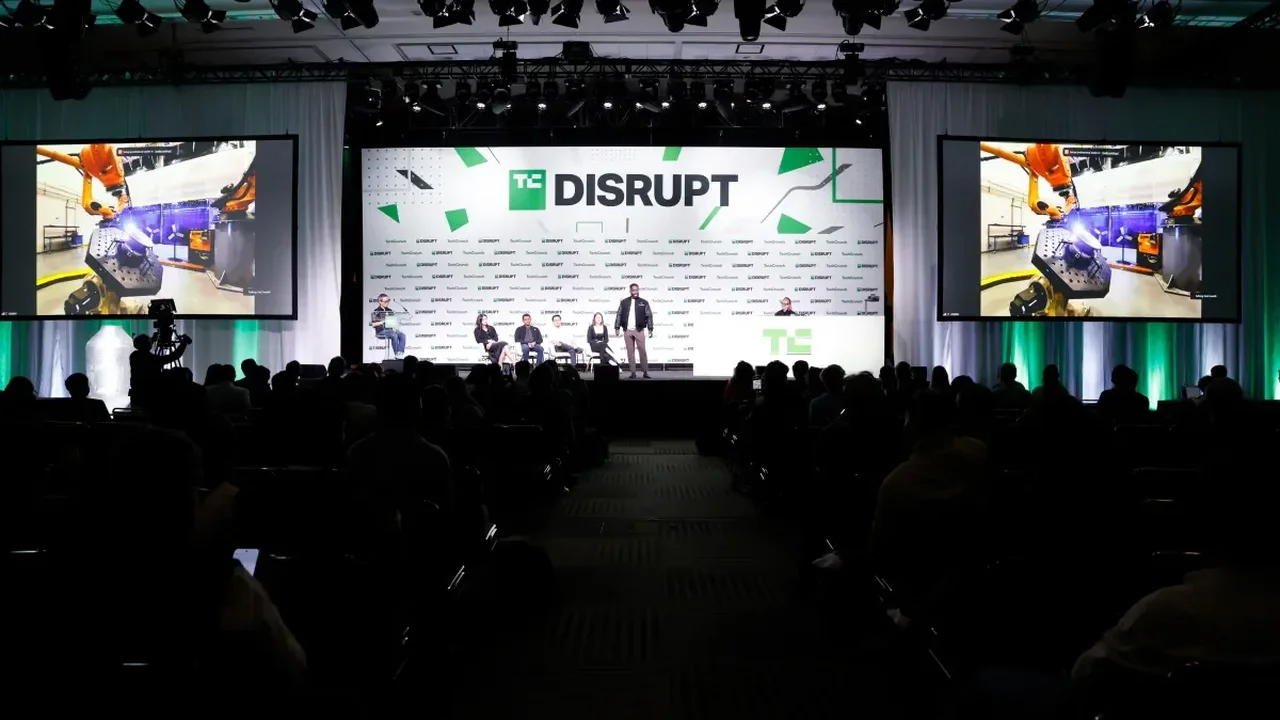
At TechCrunch Disrupt 2026, Ambrosia Energy CEO Ben Longmier and Bloom Energy's data center solutions leader Bill Thayer will explore how this shift is creating new opportunities across the AI infrastructure ecosystem.
From computing power to real-world infrastructure
The discussion will focus on the systems that enable AI to operate at scale: power generation, electrical equipment, cooling, data center design and infrastructure software. While AI's public conversation often centers on chips and applications, these foundational layers are becoming equally important to the sector's long-term development.
Growing computing needs are encouraging companies to rethink how facilities are powered, connected and managed. This creates room for solutions that improve energy availability, operational efficiency and the speed at which new capacity can come online.
New categories for builders and investors
The session will assess where lasting value may emerge as AI infrastructure evolves. Areas such as distributed energy, advanced cooling, grid technology and intelligent facility management could become important innovation fields for founders and technology teams.
For investors, the focus is likely to be on identifying markets with sustained demand rather than short-lived momentum. For business leaders, the conversation offers a broader view of how physical infrastructure may shape the availability, cost and reach of future AI services.
As AI becomes more embedded in everyday products and industries, the systems powering it may become one of technology's most dynamic frontiers. The next wave of AI innovation could be built as much in energy and infrastructure as in software.