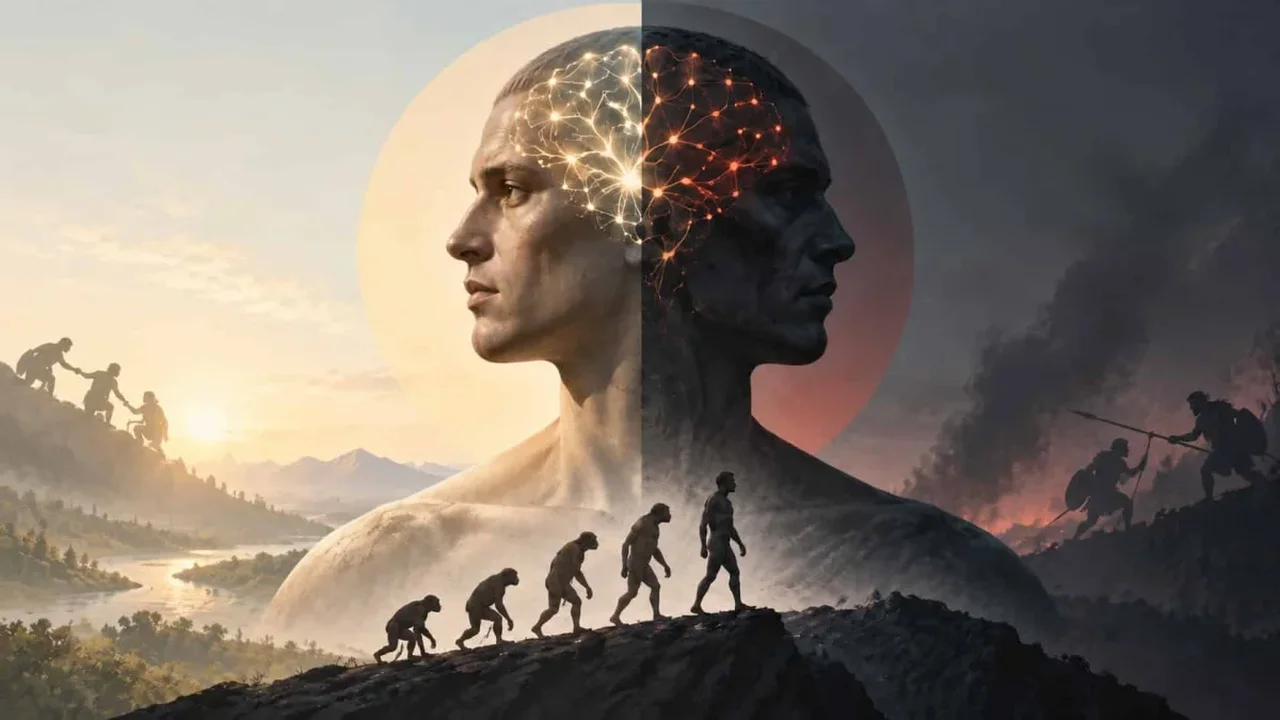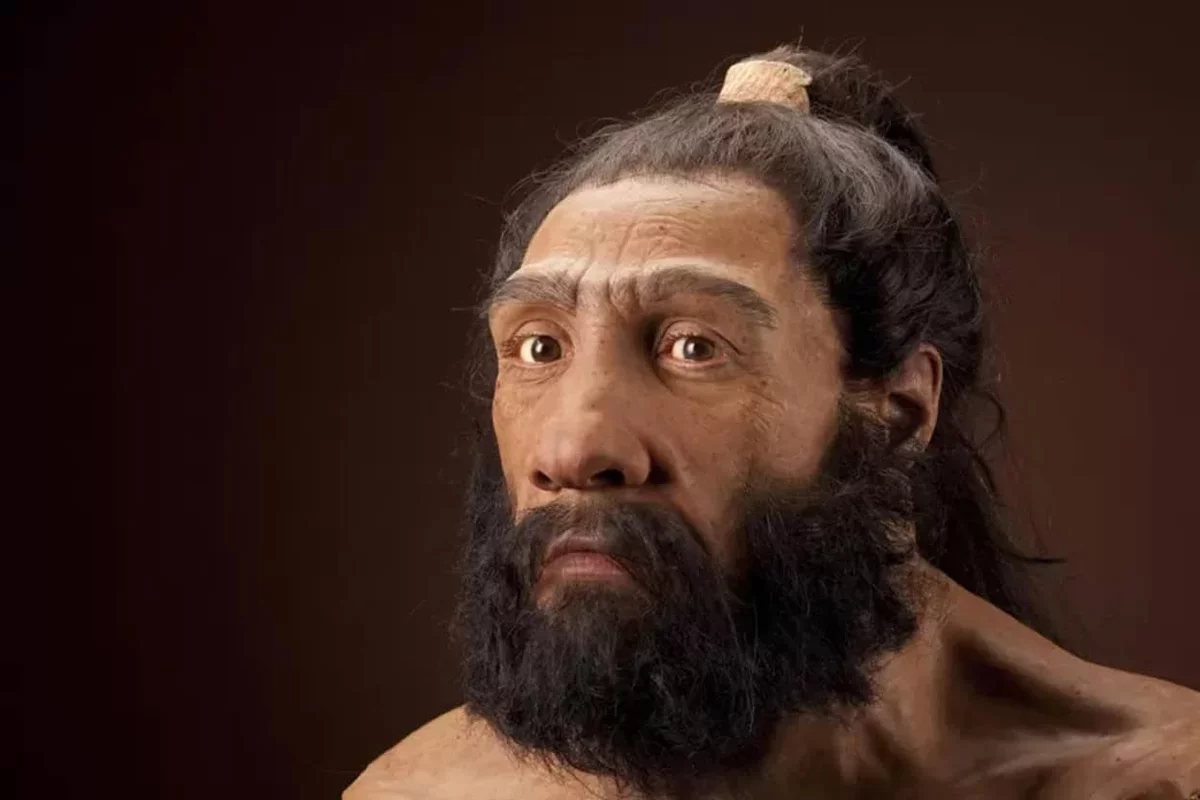
Recent research sheds light on the intriguing interbreeding practices between Neanderthals and modern humans, revealing that these encounters were not as random as previously believed. A study published in Science indicates that Neanderthal men were more likely to mate with Homo sapiens women, contributing to the approximately 2% Neanderthal DNA present in many non-African individuals today.
Understanding the Genetic Connection
The research team, led by Alexander Platt from the University of Pennsylvania, built upon previous analyses of Neanderthal DNA. Their innovative approach focused on identifying traces of Neanderthal genetic material in modern human DNA, particularly on the X chromosome. Findings show that Neanderthal X chromosomes contain 62% more modern human DNA compared to other chromosomes, highlighting a significant genetic exchange.
The X chromosome is unique as it carries information related to female lineage. Typically, females pass an X chromosome to all offspring, while males contribute it only to daughters. This genetic pattern suggests that the mating dynamics favored Neanderthal males pairing with modern human females.
Social Dynamics Behind Mating Preferences
Through complex simulations, the researchers concluded that the mating preference for Neanderthal males and Homo sapiens females was likely influenced by social structures rather than biological factors. This indicates a possible imbalance in the prehistoric mating landscape, where human women may have been drawn to Neanderthal males for their perceived status or resources.
Furthermore, the study raises questions about the societal norms of the time. It suggests that if human women were more inclined to enter Neanderthal territories, their genetic contributions would be more pronounced in the X chromosome data.
While some experts support this hypothesis, others express caution, noting that various factors, including natural selection and population dynamics, may also play a role in these genetic patterns. The debate continues around the motivations and dynamics of these ancient relationships.
As researchers delve deeper into the complexities of Neanderthal and modern human interactions, it becomes increasingly clear that these ancient populations were not simply separate entities but shared a rich tapestry of social connections and influences. The study of their interbreeding practices opens new avenues for understanding human evolution and the legacy of Neanderthals in our genetic makeup.
This groundbreaking research emphasizes the importance of viewing Neanderthals as more than just a distant relative; they were part of a complex social fabric that has shaped modern human identity.