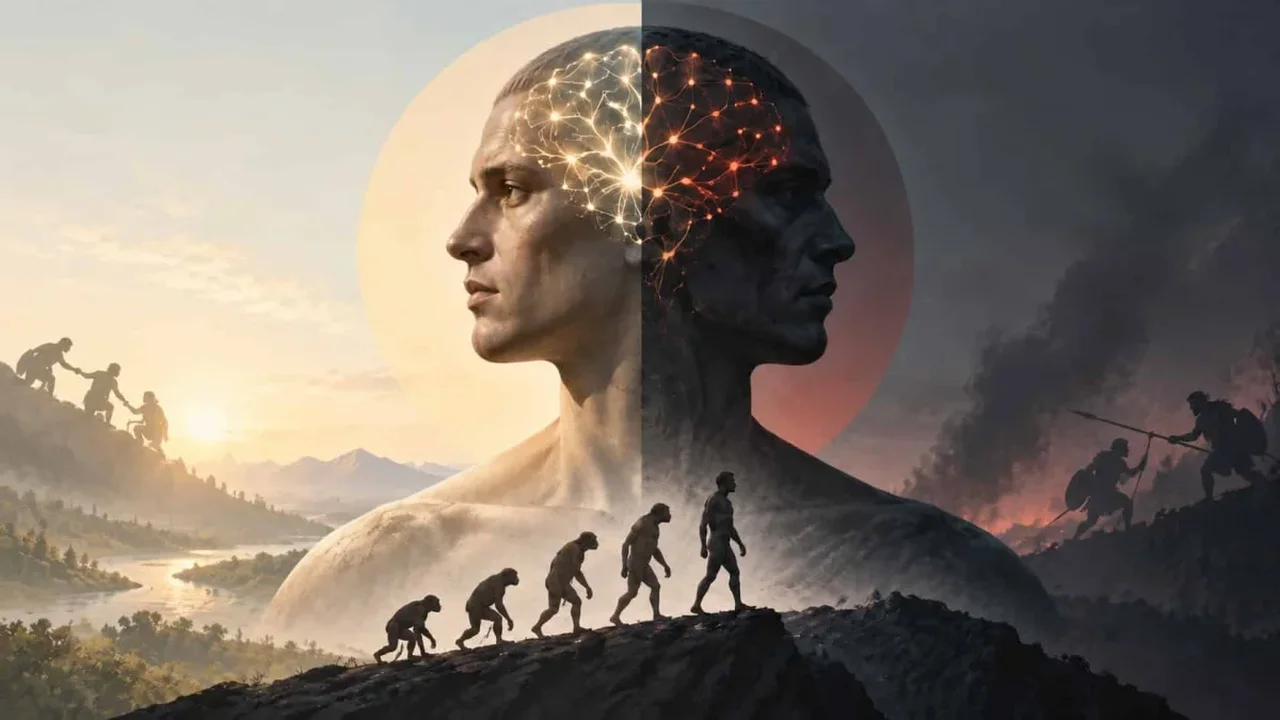
The narrative of human history often suggests a straightforward journey across the globe. However, the reality is far more complex and nuanced.
New archaeological findings reveal that modern humans attempted to migrate to Eurasia multiple times before the successful migrations that shaped our ancestry. Most of these early attempts resulted in evolutionary dead ends, leaving behind tools but no genetic legacy in contemporary populations. A recent study sheds light on why these initial forays were largely unsuccessful.
A Climate Shift
Approximately 100,000 years ago, small groups of modern humans ventured into the Arabian Peninsula, evidenced by unique stone tools found in southern Oman. These tools, dating from about 109,000 to 95,000 years ago, are associated with the Nubian Levallois technique, which originated in northeast Africa.
During this period, the Arabian landscape was vibrant, filled with grasslands and abundant wildlife. However, this flourishing environment changed dramatically around 95,000 years ago as a severe drought struck. Water sources dried up, leading to a stark decline in the human population in the region, as reflected by the sudden absence of stone tools. Isolated from further migration from Africa, these groups became demographically vulnerable.
Adapting to New Environments
Earlier migrations depended on favorable weather conditions, known as "green corridors," that permitted movement through challenging terrains. By around 70,000 years ago, however, a shift occurred in Africa. Humans began to adapt to a broader range of harsher environments.
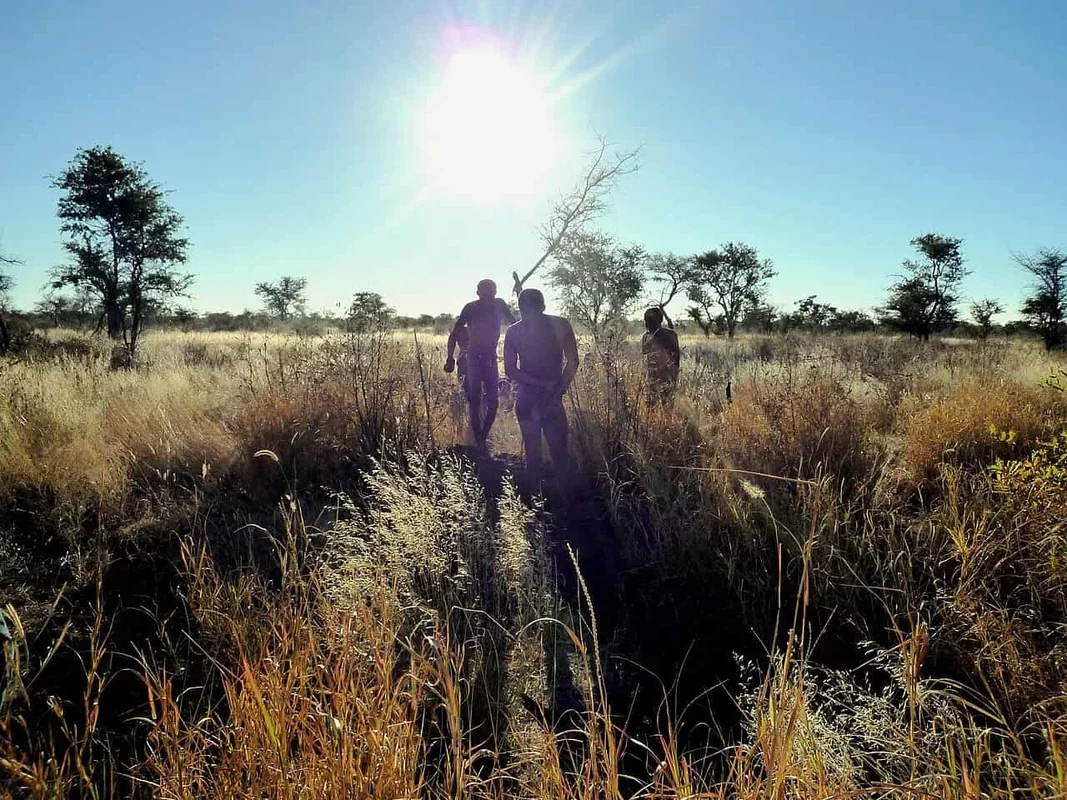
According to Eleanor Scerri from the Max Planck Institute of Geoanthropology, the humans who eventually populated Eurasia after 60,000 years ago exhibited remarkable ecological adaptability. They learned to thrive in unpredictable habitats rather than relying solely on favorable weather.
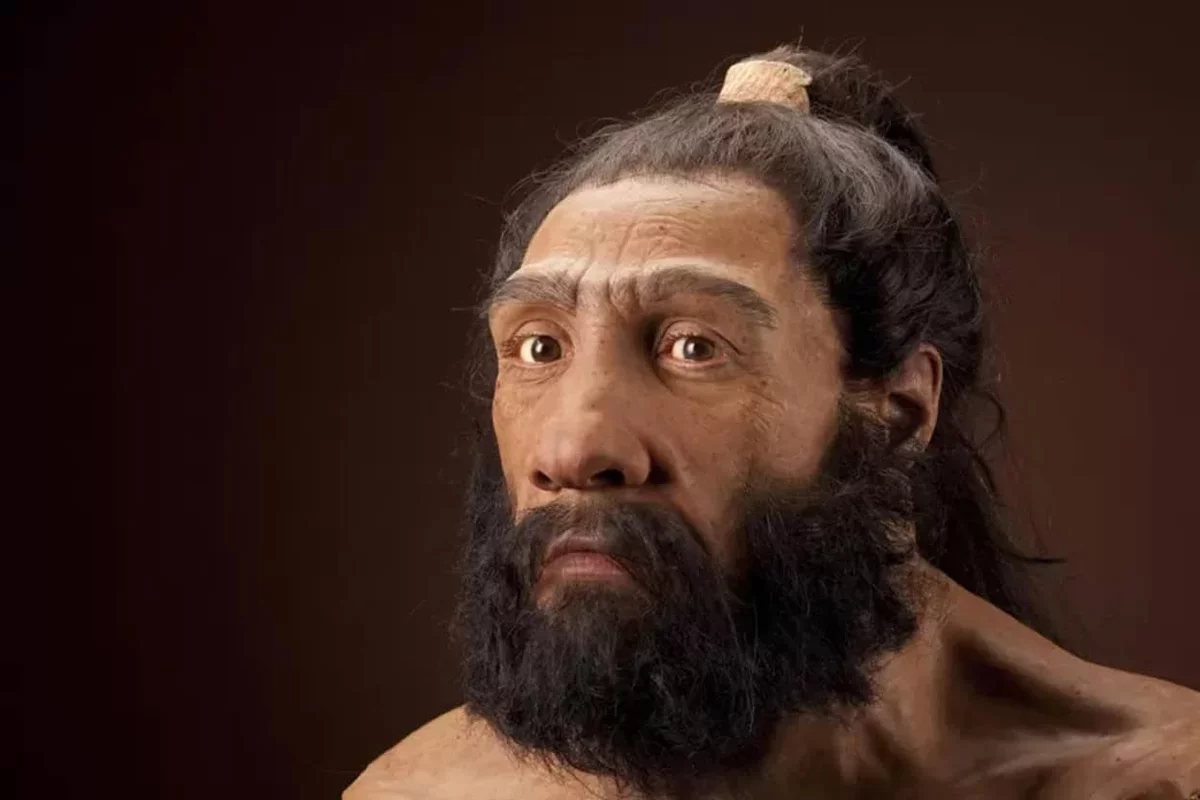
Simultaneously, other groups may have migrated north into the eastern Mediterranean, encountering Neanderthals and contributing a small amount of genetic material to their populations before disappearing. Ultimately, these early explorers did not significantly impact the genetic makeup of modern humans.
Our global distribution today is not merely the result of a single successful migration but rather the culmination of numerous attempts and adaptations. We are the descendants of those who ultimately mastered survival, learning from the challenges faced by those who came before.