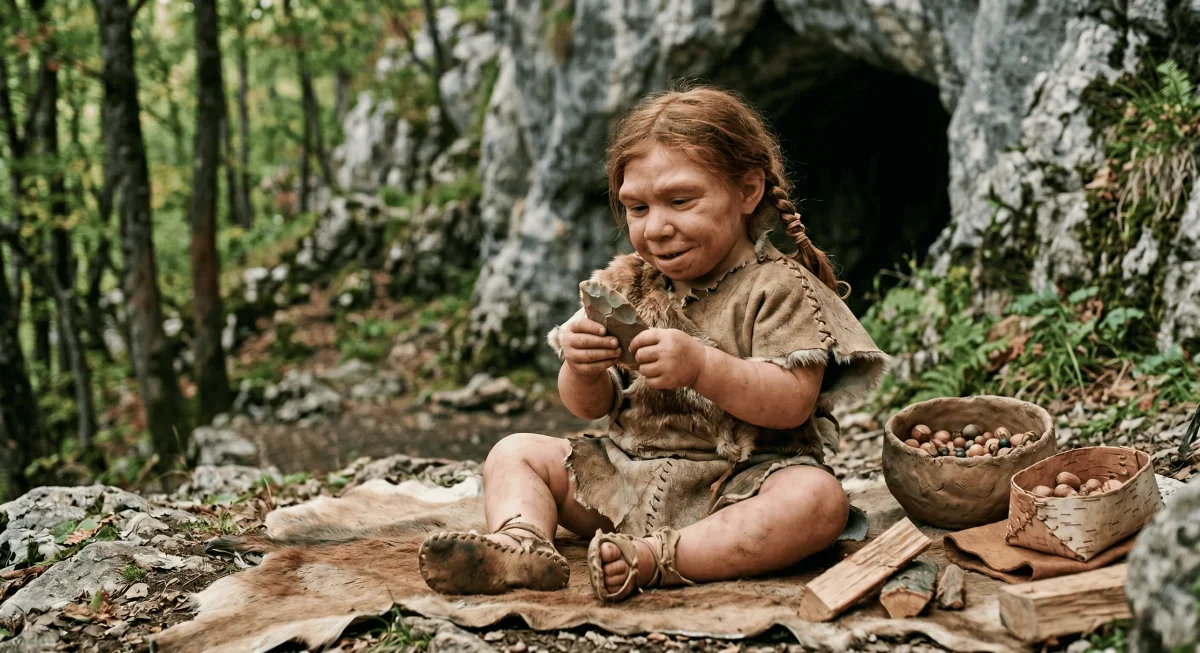
For many years, Neanderthals were perceived as robust carnivores of the Ice Age, primarily depicted as hunters relying on large game like reindeer and horses for survival in the frigid terrains of Europe. However, recent research reveals a more complex picture, showcasing Neanderthals as versatile foragers who engaged in cooking, fishing, and even self-medication.
While Neanderthals were indeed apex predators, they also thrived on a varied diet influenced by geography, climate, and cultural practices. This diversity indicates that there was no singular "Neanderthal diet," but rather a multitude of dietary options.
Insights from Dental Analysis
The shift in understanding Neanderthal diets stems from advancements in scientific methods. Traditional archaeology focused heavily on large bones, leading to a biased view that emphasized meat consumption. However, recent studies have highlighted the significance of plant-based foods, as many edible items like fish, birds, and shellfish often left no trace in the fossil record.
Dental calculus, the hardened plaque found on ancient teeth, has become a valuable tool for researchers. It preserves food particles for millennia, providing insights into the diets of both Homo sapiens and Neanderthals. Analysis of Neanderthal dental calculus has uncovered starch grains and plant remnants, indicating a diet rich in various foods.
For instance, findings from Shanidar Cave in Iraq reveal evidence of cooked plants such as dates and legumes, suggesting Neanderthals were not merely foragers but skilled food processors. Similarly, discoveries from sites like Spy Cave in Belgium and El Sidrón in Spain indicate a diet that included nuts, mushrooms, and even tree bark.
Expert Hunters and Butchers
Neanderthals displayed remarkable hunting skills, as evidenced by the discovery of wooden spears at Schöningen in Germany, where they coordinated hunts for large animals. Their ability to hunt and butcher massive creatures like straight-tusked elephants demonstrates their expertise in maximizing resources from their environment.
Moreover, archaeological evidence from sites like Neumark-Nord in Germany shows that Neanderthals engaged in specialized fat-rendering practices, extracting valuable nutrients from animal remains, crucial for survival during harsh winters.
Diverse Local Menus
Contrary to the stereotype of Neanderthals as northern dwellers, they adapted to various environments, from coastal regions to woodlands. In Gibraltar, evidence suggests they gathered seafood, utilizing fire to prepare shellfish. Their diet also included small game like rabbits and birds, indicating a broad culinary repertoire.
Notably, findings from Israel suggest Neanderthals had distinct cooking methods that may have reflected cultural practices. Some evidence even hints at their potential for medicinal eating, with traces of plants like poplar found in dental calculus, possibly indicating self-medication.
Ultimately, this new understanding of Neanderthals reveals them as adaptable omnivores capable of thriving in diverse environments. As research continues, we may uncover even more fascinating aspects of their lives and diets, reshaping our perception of these ancient beings.