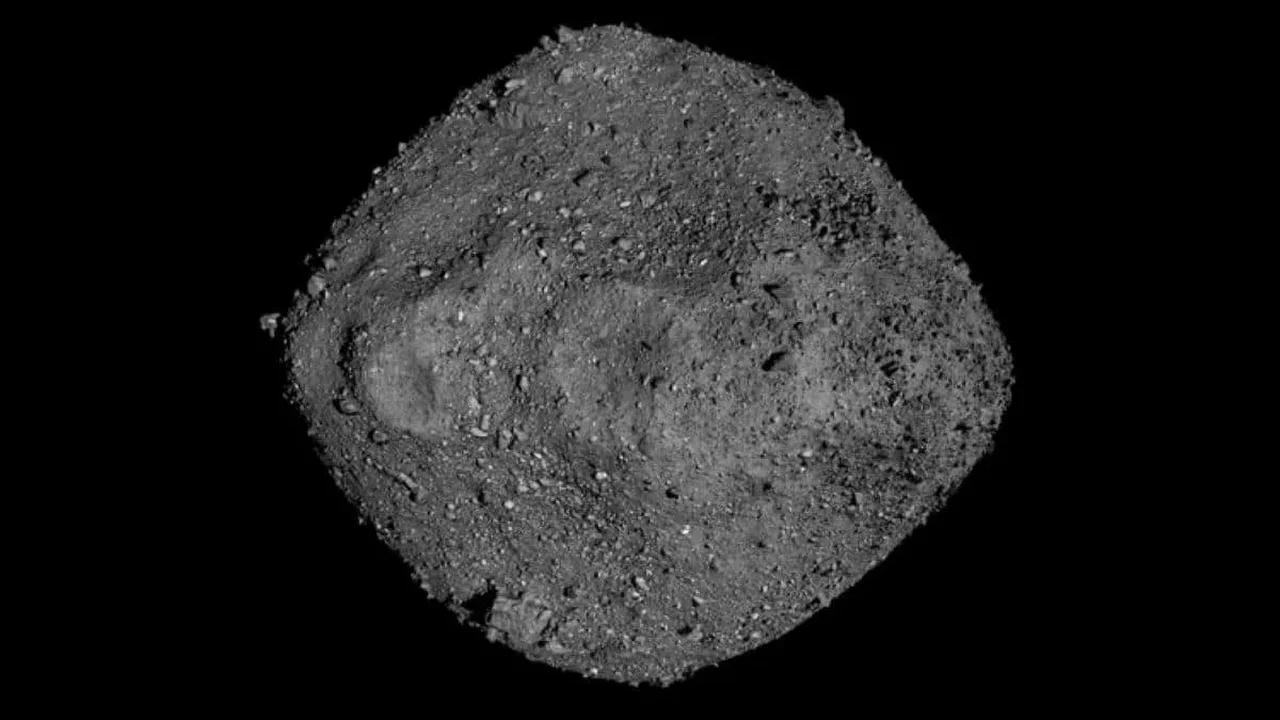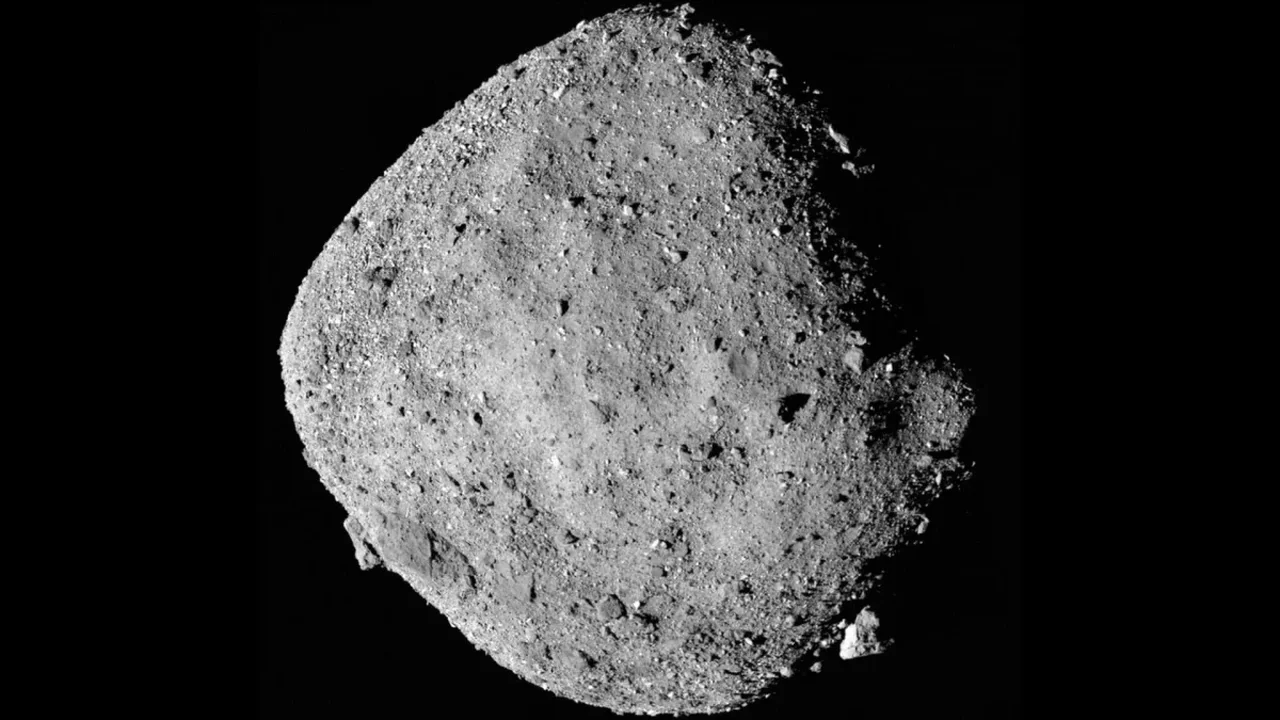
The asteroid Bennu, classified as a carbonaceous body, is abundant in carbon-rich materials, including organic compounds that mirror the essential ingredients for life. Formed from fragments of a larger parent body that disintegrated eons ago, Bennu's proximity to Earth made it an ideal candidate for NASA's OSIRIS-REx mission.
Untouched Samples from the Dawn of the Solar System
One of the most compelling features of the samples retrieved from Bennu is their pristine condition, untouched by Earth's atmospheric influences. This purity is invaluable for scientists aiming to understand the primordial conditions of our Solar System. By analyzing these samples, researchers can uncover the original formation and interactions of water, minerals, and organic matter from billions of years ago.
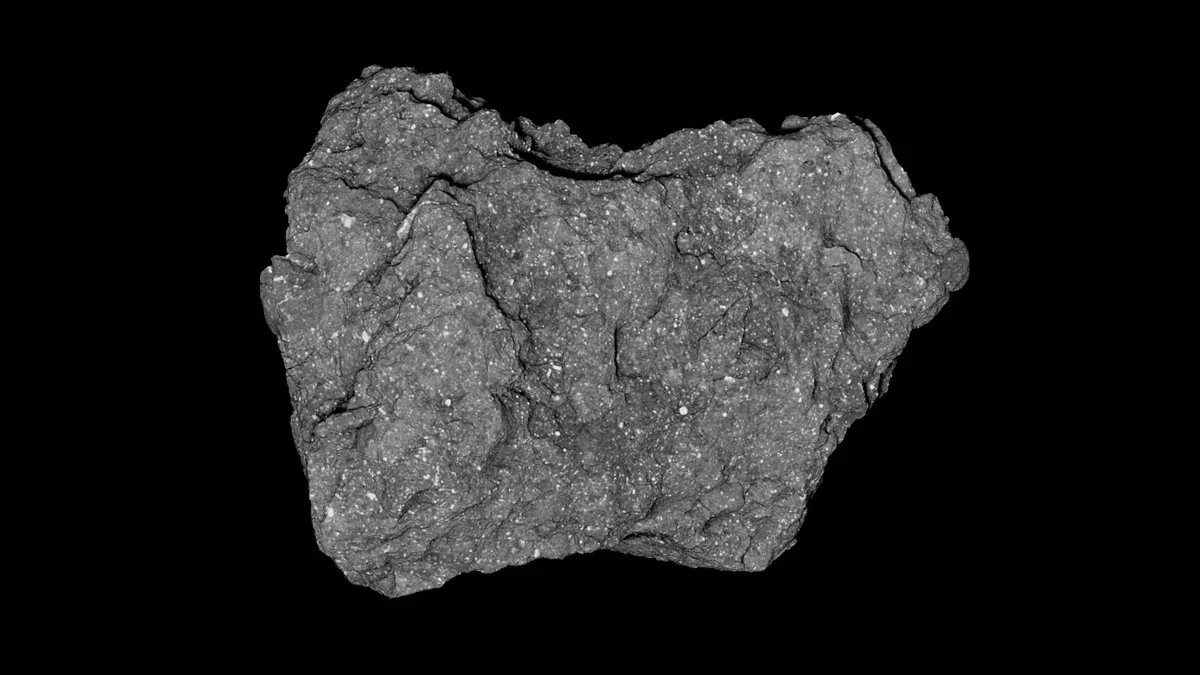
In a recent study led by Mehmet Yesiltas, a specific sample designated OREX-800066-3 was analyzed. Collected by the OSIRIS-REx spacecraft and returned to Earth in September 2023, this carefully preserved sample offers a unique glimpse into Bennu's original chemical makeup.
Nanoscale Investigations of Bennu
The research team employed cutting-edge techniques such as nanoscale infrared spectroscopy and Raman spectroscopy to explore the sample. These advanced methods enable scientists to identify chemical compounds by observing their interactions with light at incredibly small scales, down to approximately 20 nanometers--far smaller than what the human eye can detect.
This detailed analysis revealed a fascinating aspect of Bennu's chemistry: it is not uniform. Instead, the sample contains three distinct types of organic-mineral regions, each characterized by unique compositions.
Identifying Three Chemical Domains
The study categorized three primary types of regions within the sample. One region is abundant in aliphatic organic compounds--simple carbon-based molecules consisting of carbon and hydrogen chains. Another area is rich in carbonate minerals, which typically form in aqueous environments, providing insights into Bennu's past interactions with water. The third region comprises organic compounds containing nitrogen, a crucial element in biological molecules like amino acids.
These findings highlight significant variations in Bennu's chemistry, even at microscopic levels.
Water's Uneven Influence on Bennu
The irregular distribution of these chemical regions indicates that water did not uniformly affect Bennu. Instead, liquid water likely interacted with various parts of the asteroid under differing conditions, resulting in a complex chemical landscape. This phenomenon, known as nanoscale heterogeneity, suggests that the composition varies based on the specific location analyzed.
Remarkably, despite the asteroid's history of water interaction, fragile organic molecules have been preserved. This discovery is crucial as it demonstrates that essential chemical components can endure even through water-related transformations.
Understanding the Origins of Life's Building Blocks
These findings enhance our understanding of how water, minerals, and organic matter interacted on primitive asteroids like Bennu, which may have significantly influenced the early Solar System's development and the potential delivery of life's essential building blocks to Earth.
Through meticulous study of Bennu at the nanoscale, scientists are piecing together a clearer narrative of how complex chemistry evolved in space long before the formation of planets like our own.