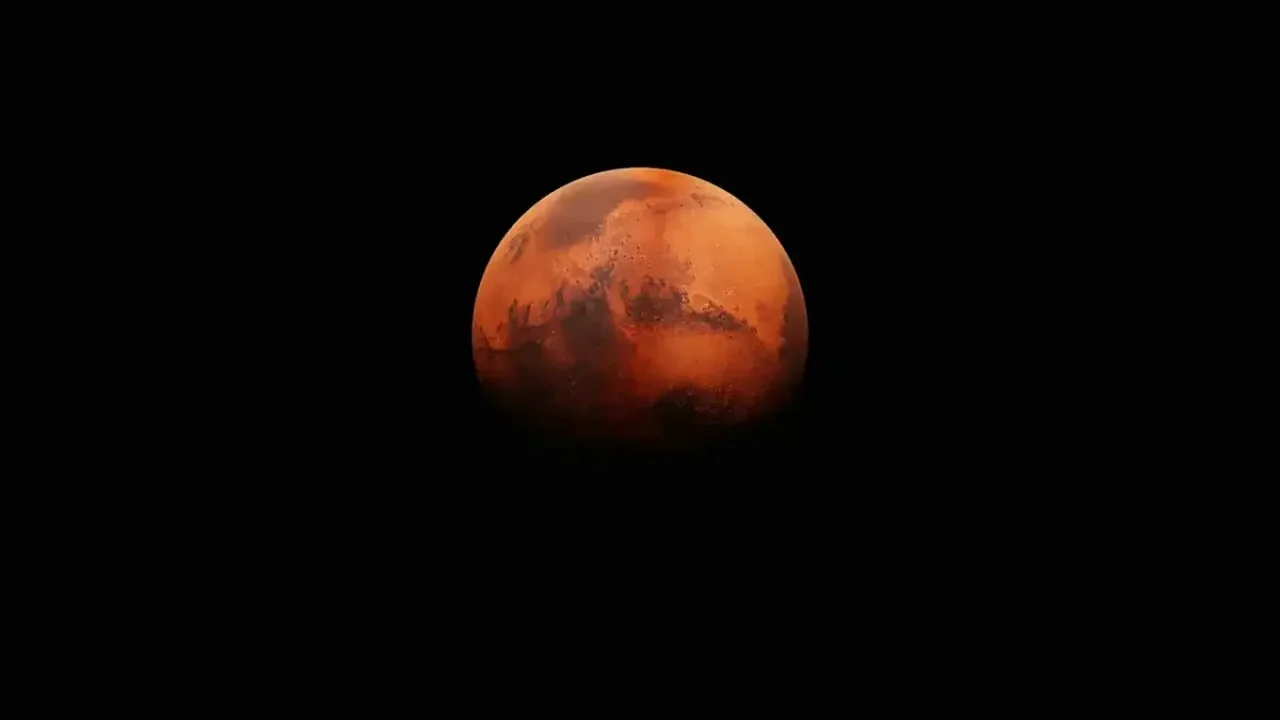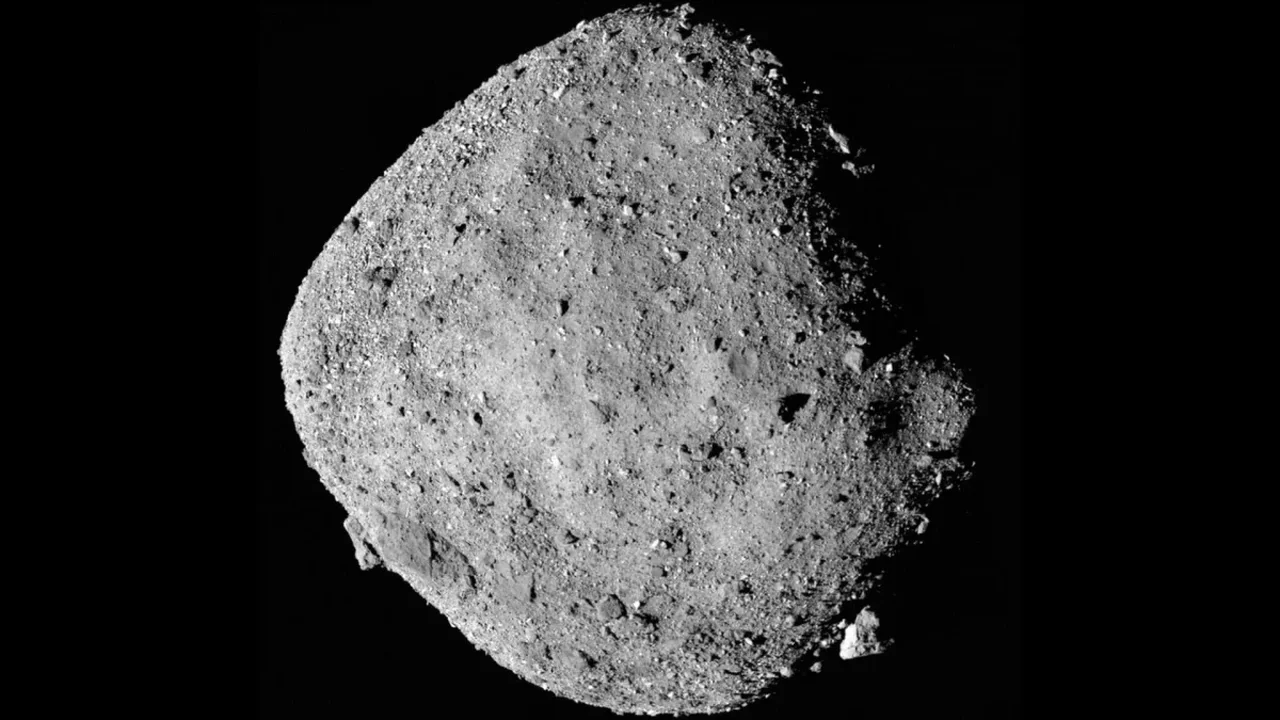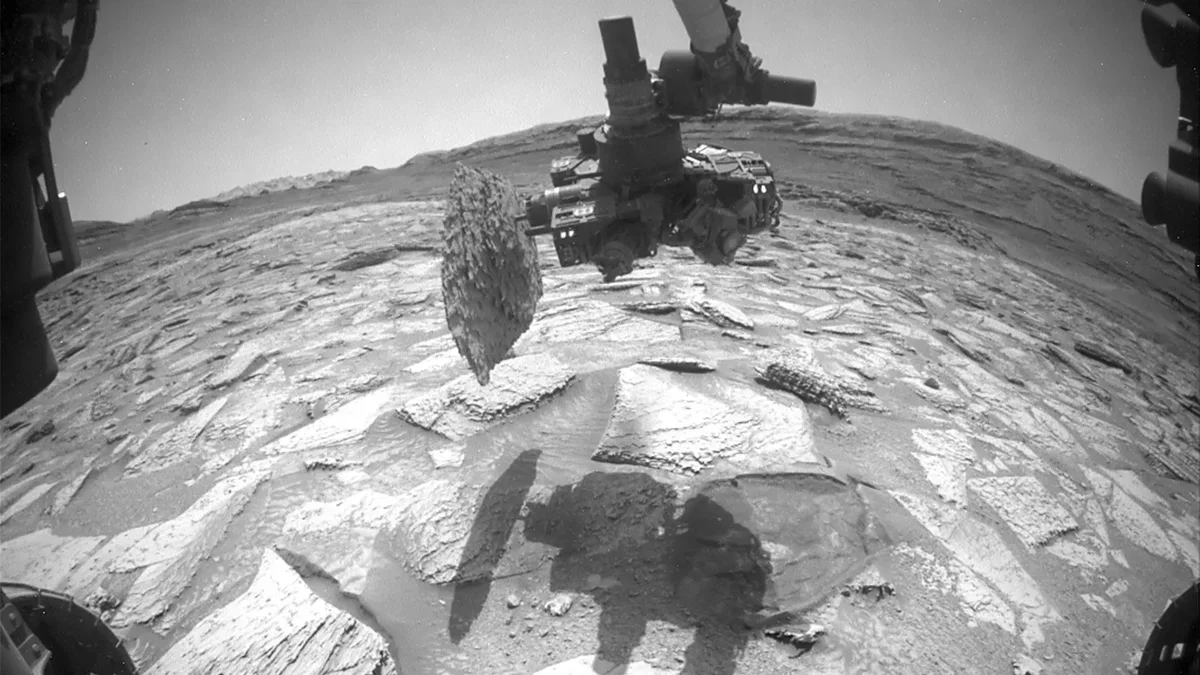
NASA's Curiosity rover recently captured a remarkable moment on Mars, as its black and white hazard cameras documented an unexpected event during its ongoing exploration. On April 25, 2026, the rover drilled into a rock named "Atacama," which measures approximately 1.5 feet in diameter, about 6 inches thick, and weighs around 28.6 pounds (13 kilograms).
Unexpected Rock Retrieval
As Curiosity retracted its drilling arm, the entire "Atacama" rock unexpectedly came loose from the Martian surface, remaining attached to the drill's fixed sleeve. This incident marked a first for the mission, as previous drilling operations had only cracked or separated rock layers without pulling a rock entirely out.
Engineering Challenges and Solutions
Initially, mission engineers attempted to dislodge the rock by vibrating the drill, but this tactic yielded no results. On April 29, they repositioned the robotic arm and activated the drill vibrations again. Although images showed sand spilling from the rock, it remained firmly attached.
On May 1, the team employed a new strategy involving steeper drill angles, increased drill rotation, and vibrations. To their surprise, the rock fractured during the first attempt, breaking apart upon hitting the Martian ground.
Continuing the Journey
NASA's Curiosity rover is a product of the Jet Propulsion Laboratory (JPL), managed by Caltech in Pasadena, California. JPL is responsible for overseeing the mission under NASA's Science Mission Directorate, as part of the ambitious Mars Exploration Program.
This incident not only showcases the challenges faced in extraterrestrial exploration but also highlights the innovative problem-solving abilities of the engineering team. As we continue to explore Mars, such developments pave the way for future missions, enhancing our understanding of the Red Planet and potentially unlocking new scientific discoveries.