NASA's Artemis II mission recently showcased the potential of laser communication technology by successfully transmitting stunning images from lunar orbit back to Earth. This mission marked a significant leap in high-throughput connections, demonstrating that affordable solutions are achievable in space communications.
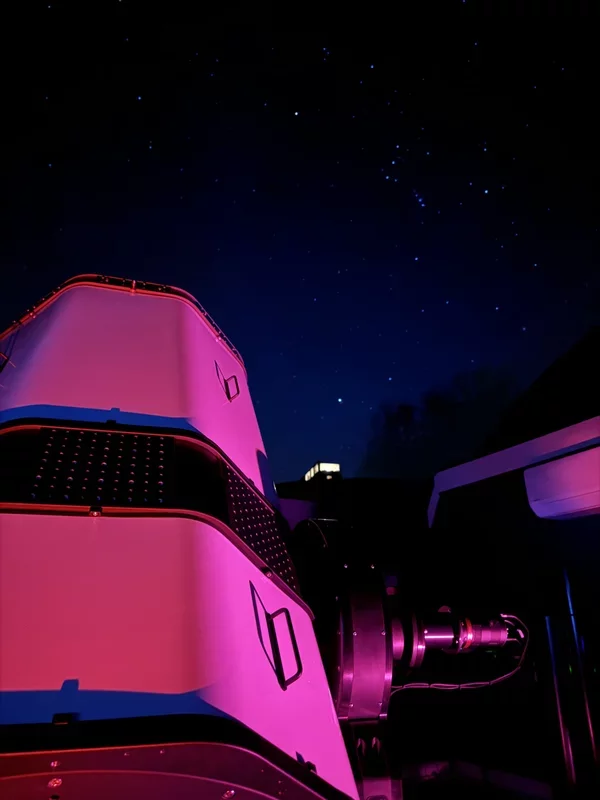
Notably, a low-cost terminal developed by Observable Space and Quantum Opus, operated by the Australian National University, effectively received data from the Orion spacecraft at an impressive rate of 260 megabits per second. This achievement highlights the feasibility of establishing efficient communication pathways between Earth and space without the hefty price tag typically associated with such technology.
The terminal utilized Observable Space's innovative software and telescope systems to lock onto the spacecraft's transmissions, complemented by a photonic sensor from Quantum Opus for data decoding. Remarkably, this terminal was constructed for under $5 million, in contrast to more specialized systems that can exceed tens of millions.
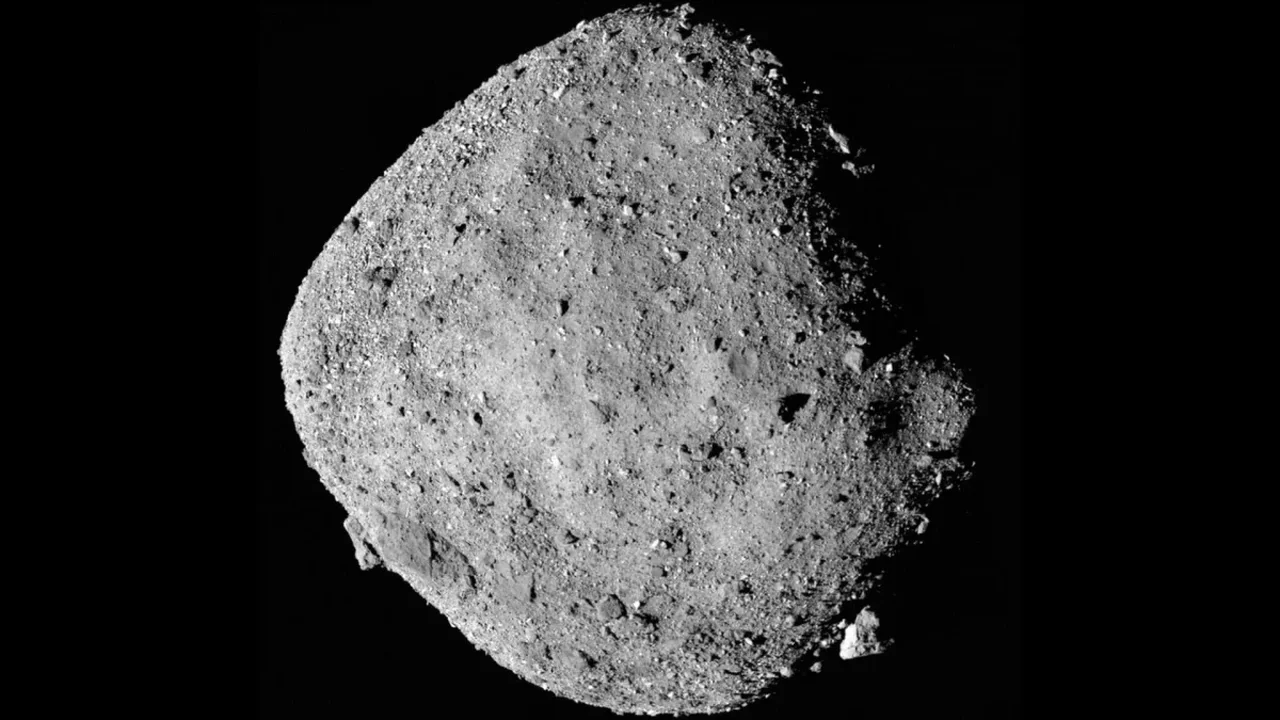
NASA has been exploring deep space laser communications for several years, previously testing data links with a spacecraft located 218 million miles away on a mission to an asteroid. However, Artemis II represents the most extensive demonstration to date, with both NASA's official receivers in California and New Mexico and the experimental terminal in Australia successfully capturing 4K video during the mission.
While laser communications offer significantly higher throughput than traditional radio frequency methods, they do face challenges, such as susceptibility to weather disruptions and the necessity of a clear line of sight. This underscores the importance of having reception sites strategically located worldwide.
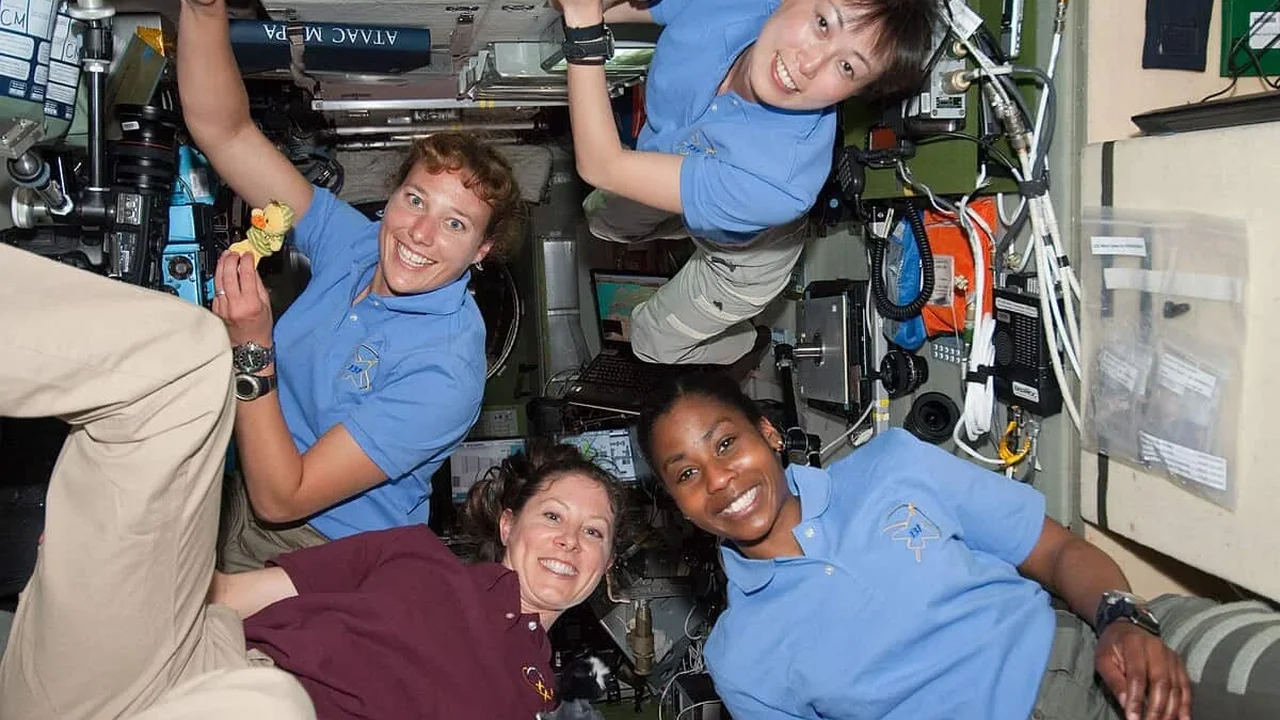
Josh Cassada, a former NASA astronaut and co-founder of Quantum Opus, noted that Australia was the first continent visible in the iconic Earthrise photo taken by Artemis II astronauts, emphasizing the mission's global significance.
Observable Space's CEO, Dan Roelker, expressed confidence that this mission demonstrates the readiness of laser downlinks for broader application. While this technology has been widely adopted for satellite-to-satellite communication, its use for Earth transmission has been limited due to costs. Roelker envisions a future where a global network of these terminals can facilitate data reception from various satellites.
"We can scale this over the next year or more," Roelker mentioned, though the specifics of implementation and funding remain to be determined. He anticipates collaboration with various stakeholders, including ground station service providers and large satellite constellation operators.
The advancements seen in Artemis II could pave the way for a new era in space communications, potentially transforming how data is transmitted from space to Earth and enhancing our ability to monitor and understand our universe.