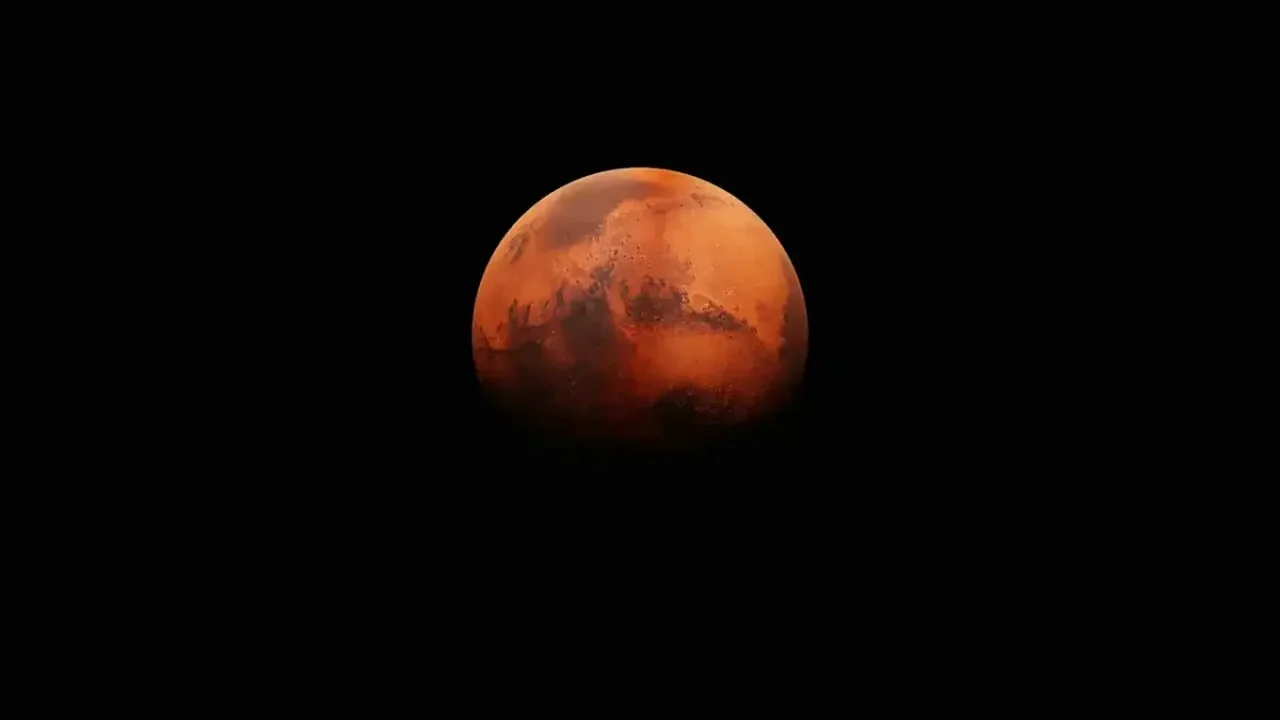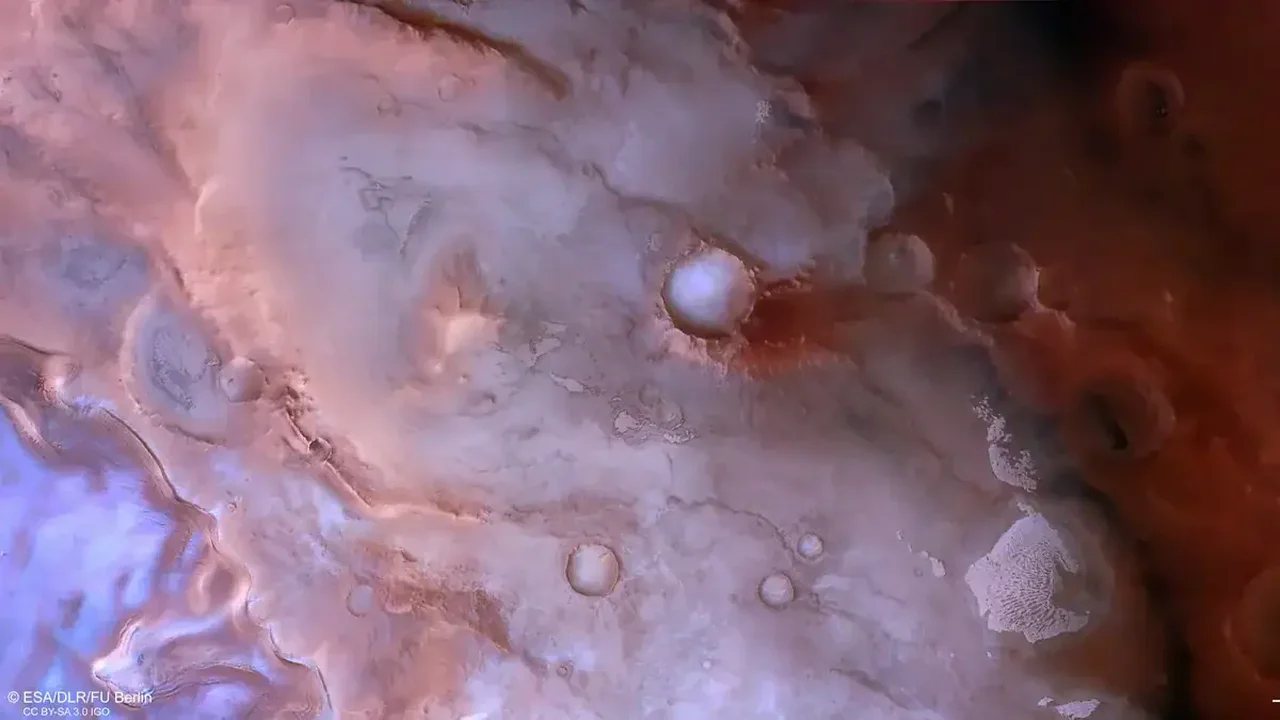
Scientists believe that the primary factor behind Mars' atmospheric transformation is the solar wind, a continuous flow of charged particles from the Sun that has gradually eroded the planet's atmosphere over billions of years. This thinning atmosphere has contributed to a cooling of the planet and the loss of much of its surface water.
To explore this phenomenon, NASA launched the ESCAPADE (Escape and Plasma Acceleration and Dynamics Explorers) mission on November 13, 2025. As of February 25, 2026, the mission's scientific instruments have become fully operational, enabling researchers to examine how Mars lost its atmosphere and how solar activity continues to influence the planet. Additionally, the spacecraft will gather valuable data on space weather during their journey to Mars.
Data collected during this mission could enhance NASA's understanding of the environmental conditions astronauts might face on future Mars explorations. "The groundbreaking ESCAPADE duo will not only investigate the solar wind's role in making Mars inhospitable but will also help establish protocols for space weather during human missions to the Red Planet," stated Joe Westlake, director of NASA's heliophysics division. "By joining the fleet of heliophysics missions across the solar system, ESCAPADE will enhance the safety and success of human and technological endeavors in space."
A Unique Approach to Mars Exploration
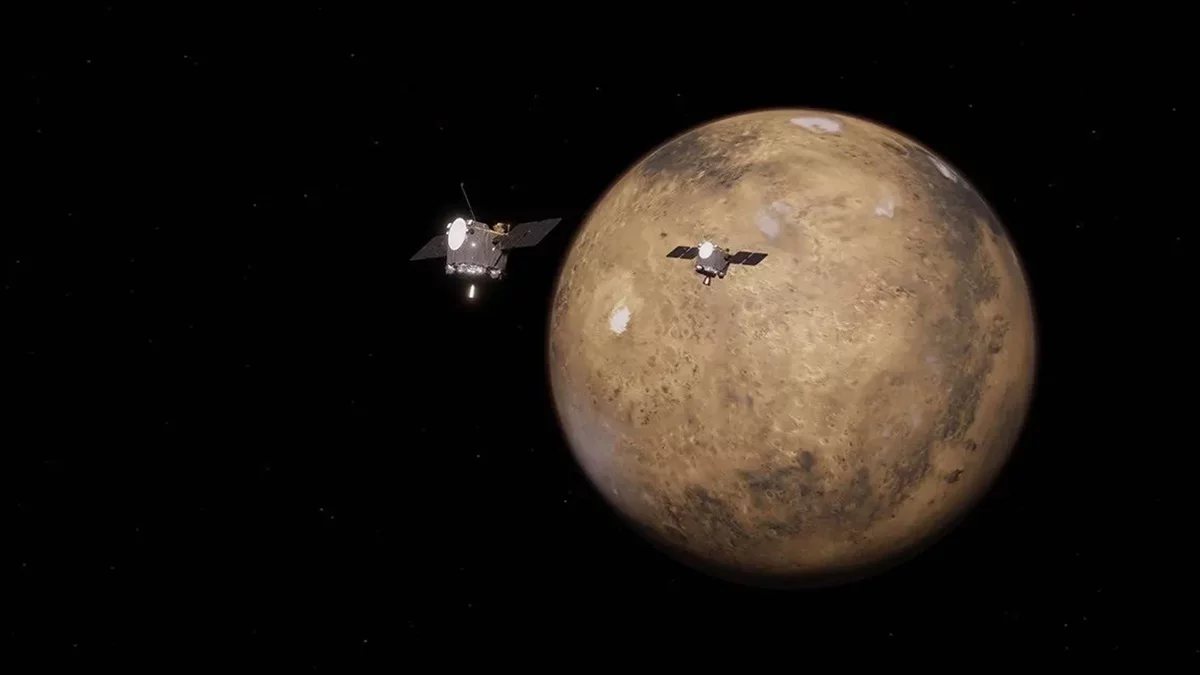
What sets ESCAPADE apart is its use of two spacecraft operating in tandem around Mars. This innovative method allows scientists to observe the planet's magnetic environment from dual perspectives, yielding insights unattainable by a single spacecraft.
The twin spacecraft will monitor rapid fluctuations in Mars' magnetosphere, the area surrounding the planet affected by magnetic forces. This dual observation aims to uncover the mechanisms that contribute to the gradual escape of Mars' atmosphere into space. "Having two spacecraft will enhance our understanding of the interactions between the solar wind and Mars' magnetic field," explained Michele Cash, ESCAPADE program scientist.
Previous missions have utilized single spacecraft to study Mars' atmosphere, but ESCAPADE takes this research further by providing simultaneous observations from two different vantage points. "This mission is a game changer," remarked Rob Lillis, principal investigator at the University of California, Berkeley. "It offers a stereo perspective, allowing us to observe changes more effectively."
Initially, the spacecraft will follow the same orbital trajectory, passing over identical regions at slightly different times to help identify when and where changes occur in the magnetic environment. After six months, they will diverge into separate orbits, enabling one to remain closer to Mars while the other travels farther away, allowing for a comprehensive analysis of the solar wind's impact on the planet.
Preparing for Future Human Exploration
Astronauts embarking on missions to Mars will experience significantly higher exposure to solar radiation than individuals on Earth, which benefits from a robust magnetic field that shields it from solar particles. Mars, having lost much of its magnetic field over time, now possesses a hybrid magnetosphere that provides limited protection, presenting challenges for future explorers.
ESCAPADE will also deepen scientists' understanding of Mars' ionosphere, critical for future communication systems. "To establish GPS and long-distance communication on Mars, we need to comprehend the ionosphere thoroughly," Lillis added.
Innovative Trajectory to Mars
Unlike most missions that launch during specific alignment windows between Earth and Mars, ESCAPADE is testing a flexible trajectory. The spacecraft will loop around Lagrange point 2, about a million miles from Earth, before using Earth's gravity to propel themselves toward Mars when the planets align again in November 2026. This novel approach could pave the way for more adaptable future missions.
Funded by NASA's Heliophysics Division, the ESCAPADE mission is led by UC Berkeley's Space Sciences Laboratory in collaboration with various partners, including Rocket Lab and NASA's Goddard Space Flight Center.