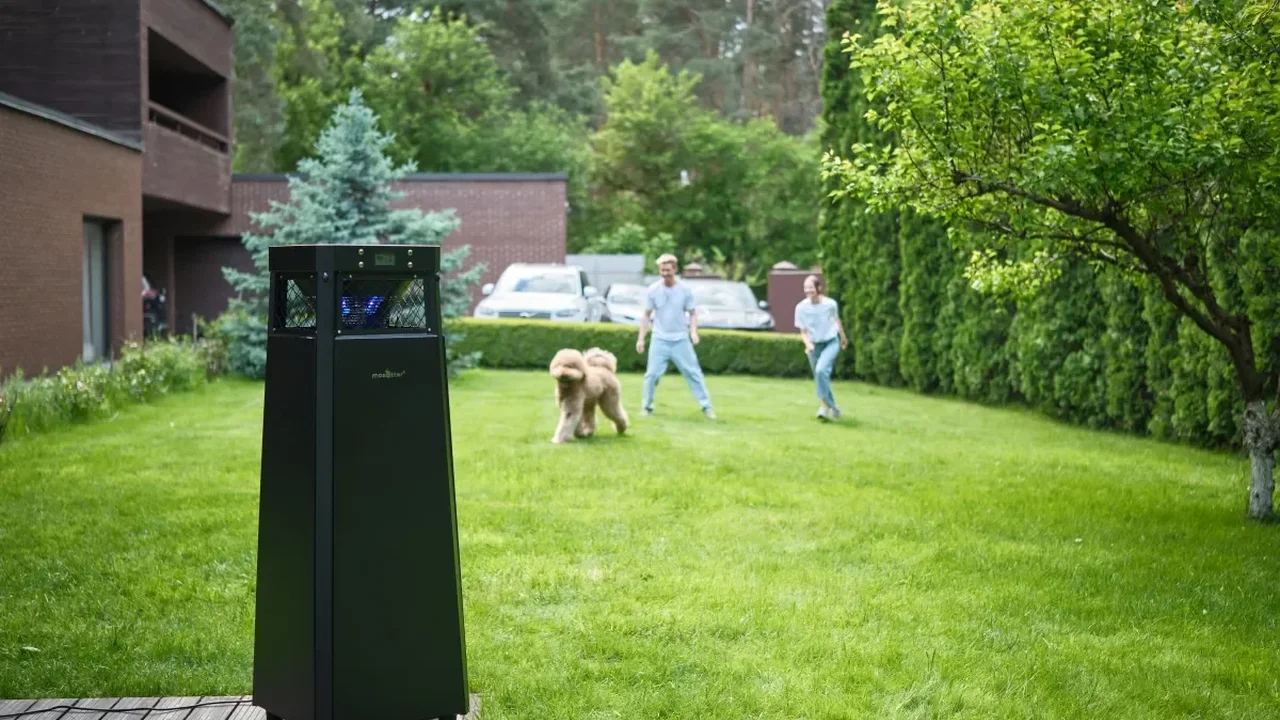
Mosqitter is expanding its chemical-free mosquito traps into a connected monitoring system designed to identify mosquito species and track changes in their populations. The Pennsylvania-based startup says more than 5,000 of its devices are now operating across five continents.
The traps attract female mosquitoes by recreating cues associated with people, including warmth and scent. Its flagship Mosqitter Grand also uses carbon dioxide to mimic human breathing, while the smaller Mini is designed for homes and portable use.
From trapping to monitoring
The company's next step is Febris, a monitoring system that combines mosquito data with environmental conditions such as weather, wind and humidity. Mosqitter aims to use these inputs to help identify population trends and highlight where the presence of certain species may signal a greater potential for mosquito-borne disease.
Febris is not a diagnostic tool: it cannot determine whether an individual mosquito carries a disease. Instead, the system is intended to give public-health and mosquito-control organizations a clearer, ongoing picture of local mosquito activity. Mosqitter says it is pursuing deployments with institutional partners, including the UK Health Security Agency at locations such as Heathrow and Gatwick airports.
By pairing physical traps with AI-supported monitoring, Mosqitter is building a platform that could help communities spot shifts in mosquito populations sooner. Over time, continuous local data may support more timely and targeted public-health planning.