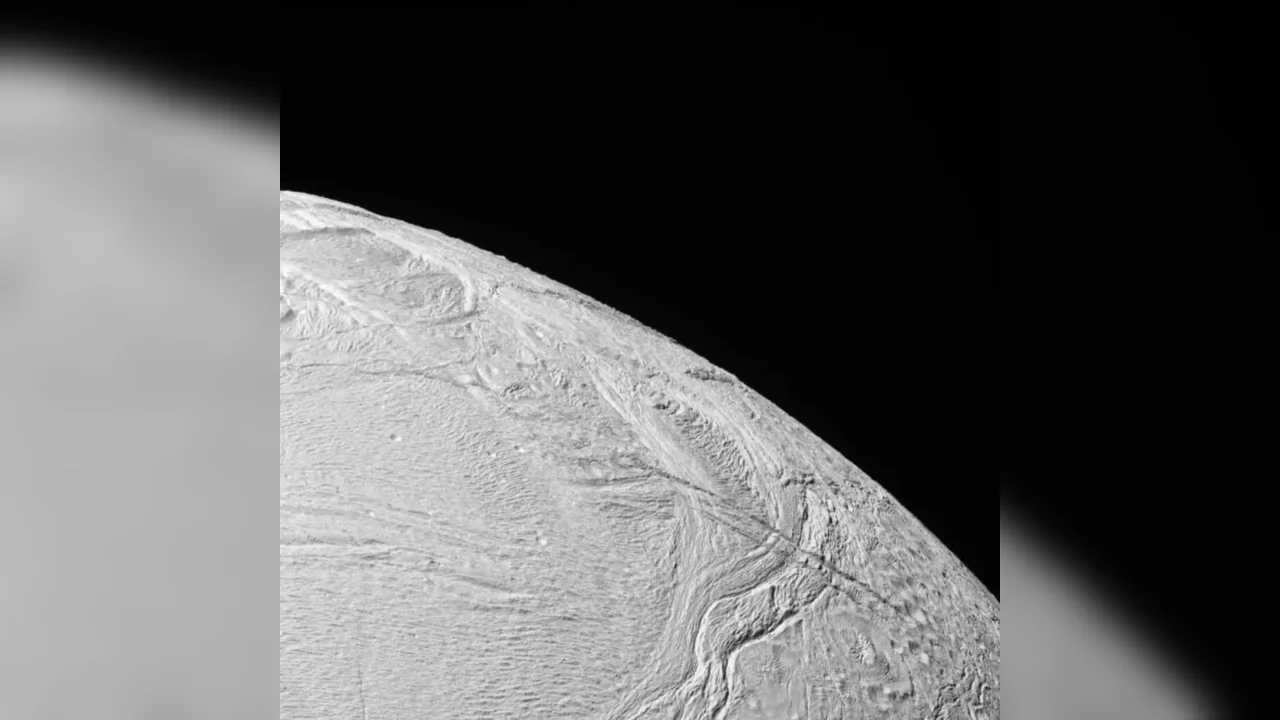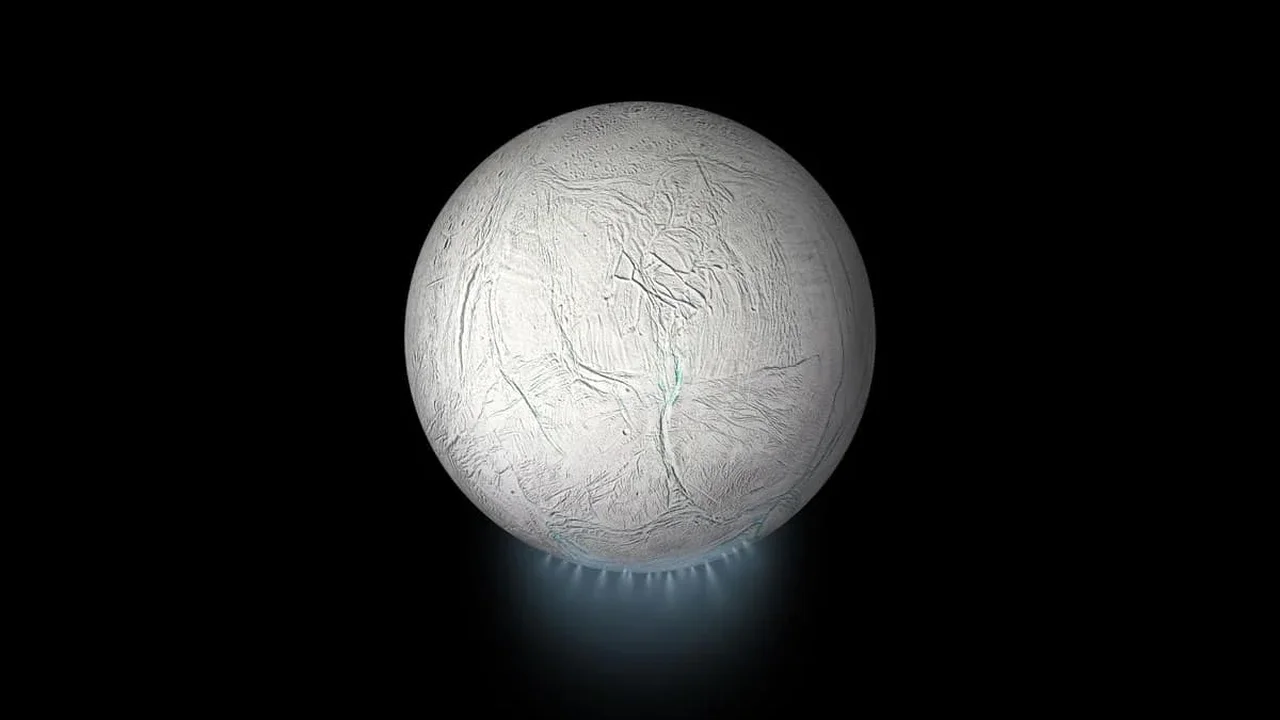
Saturn's moon Enceladus has a global ocean beneath its icy surface, and material from that ocean escapes through geysers. Its chemistry includes hydrogen and carbon compounds associated with methane-producing microbes on Earth, but the ocean is thought to be highly alkaline--a condition that can make it difficult for life to thrive.
To test whether a terrestrial organism could withstand those conditions, researchers at Ludwig-Maximilians-Universität Munich recreated aspects of Enceladus's ocean in the laboratory. They studied Methanothermococcus okinawensis, an archaeon found in a hydrothermal system in Japan's Okinawa Trough.
Survival in extreme chemistry
Over 48-hour experiments, the microbe survived, reproduced and produced methane in simulated ocean mixtures with pH levels reaching 11. It performed better in these mixtures than in control solutions at comparable alkalinity. The results suggest that hydrogen generated through water-rock reactions could help support methane-producing organisms, even when carbon dioxide is scarce.
The findings, published in Science Advances, do not show that life exists on Enceladus. The microbes showed signs of stress, and some experimental conditions were selected to favor growth. The researchers also note that any life beyond Earth may not share the biology of organisms on our planet.
Still, the experiment broadens the range of environments scientists can consider potentially habitable. Future missions could investigate the balance of pH, hydrogen and carbon compounds in Enceladus's ocean. Such measurements may help clarify whether this distant moon has the chemical conditions to support life.