At Meta Connect, smart glasses emerged as a central part of Meta's hardware strategy, with new concepts focused on hands-free communication, AI assistance and more accessible listening experiences.
Audio-first glasses for everyday tasks
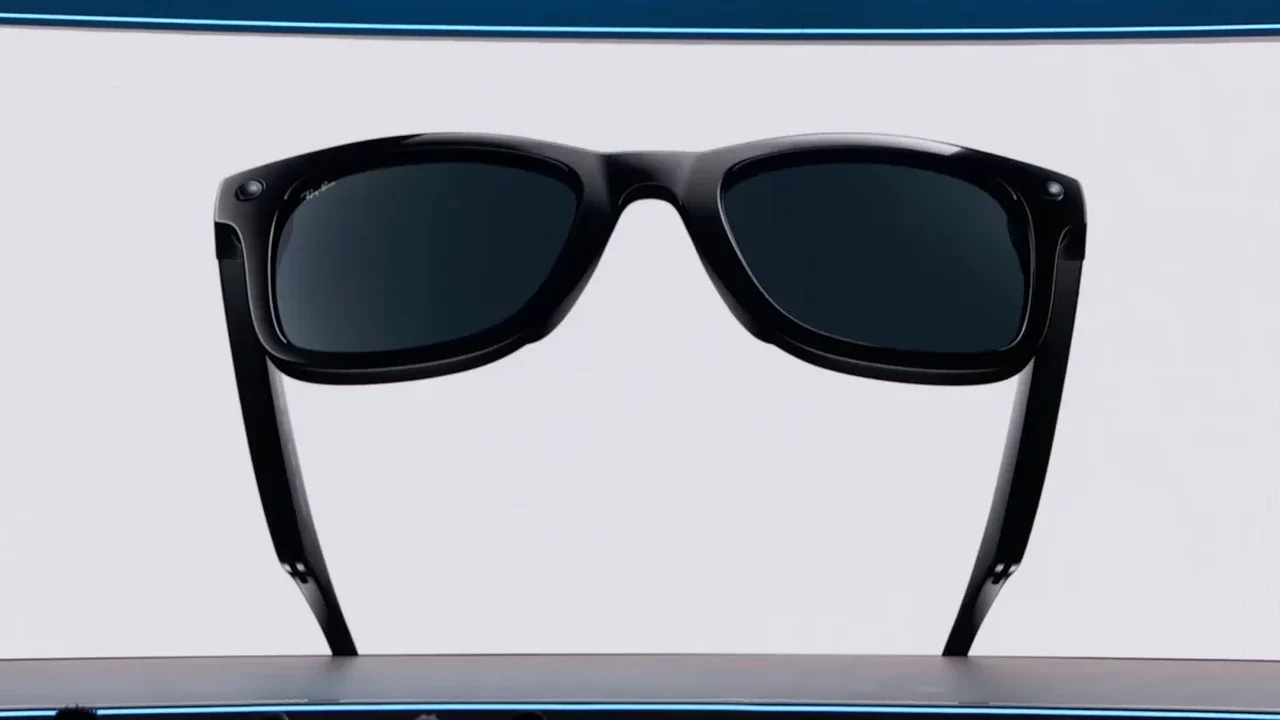
Meta previewed an unreleased pair of camera-free smart glasses designed around audio. Equipped with six microphones and no native recording capability, the lightweight device is intended for calls, music and voice-based interaction without adding a camera to the frame.
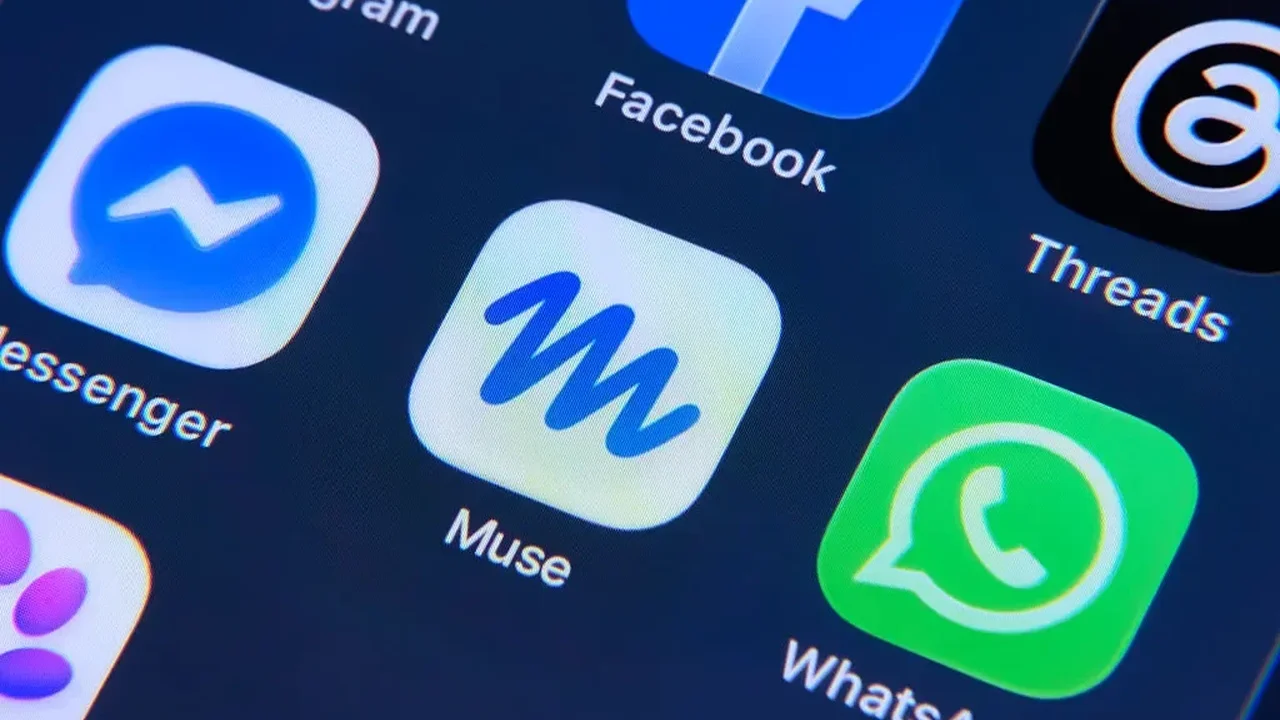
The glasses are expected to work with Muse, Meta's personal AI agent system. Through spoken commands, users could ask the assistant to manage simple digital tasks such as sending emails, reviewing to-do lists or answering questions while on the move. Meta also plans to offer customizable digital avatars for the assistant experience.
A new approach to hearing assistance
Another prototype targets people with hearing loss. Meta says the device has been developed over roughly five years and will be priced at $150, positioning it as a more accessible alternative to many conventional hearing-support products.
The glasses can amplify conversation and offer two listening modes: a focused setting that prioritizes the speaker in front of the wearer, and an omnidirectional setting that captures sounds across the surrounding environment. This flexible approach could make conversations easier to follow in different daily settings.
By combining familiar eyewear design with AI, audio and accessibility features, Meta is broadening the role of smart glasses beyond a single use case. The next phase of wearable technology may be defined by devices that blend more naturally into daily life while making digital support more immediate and personal.