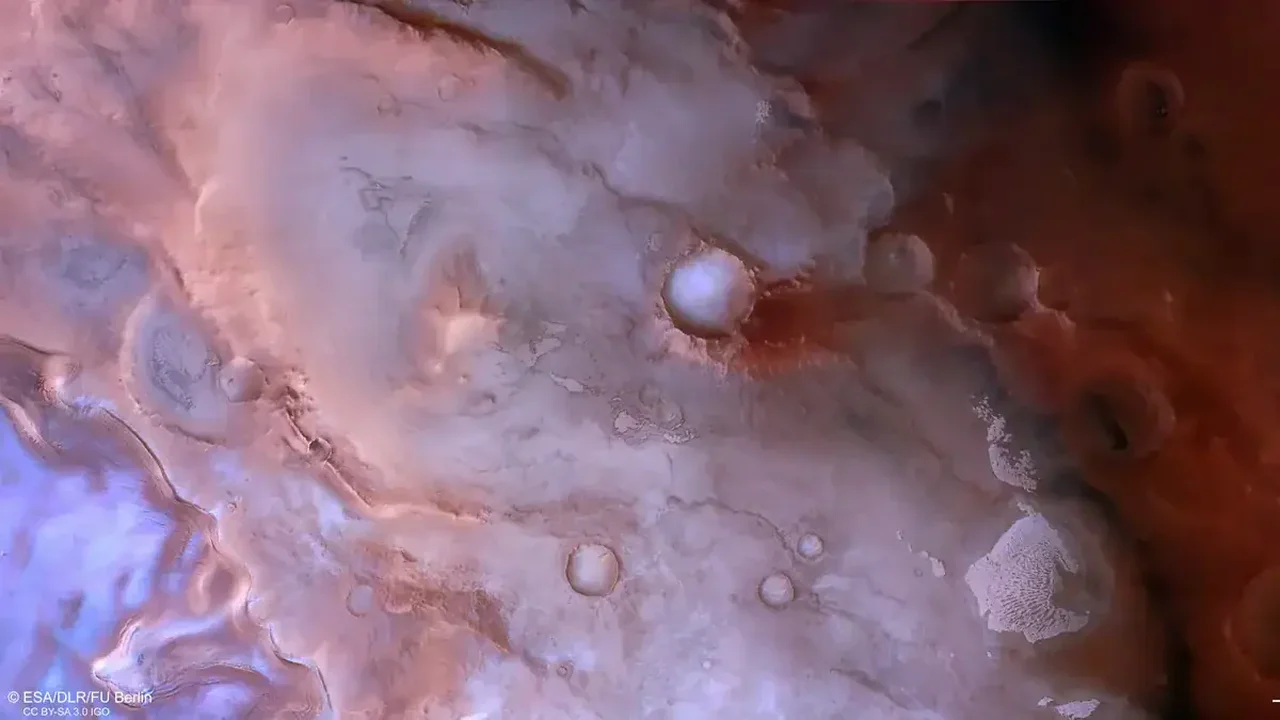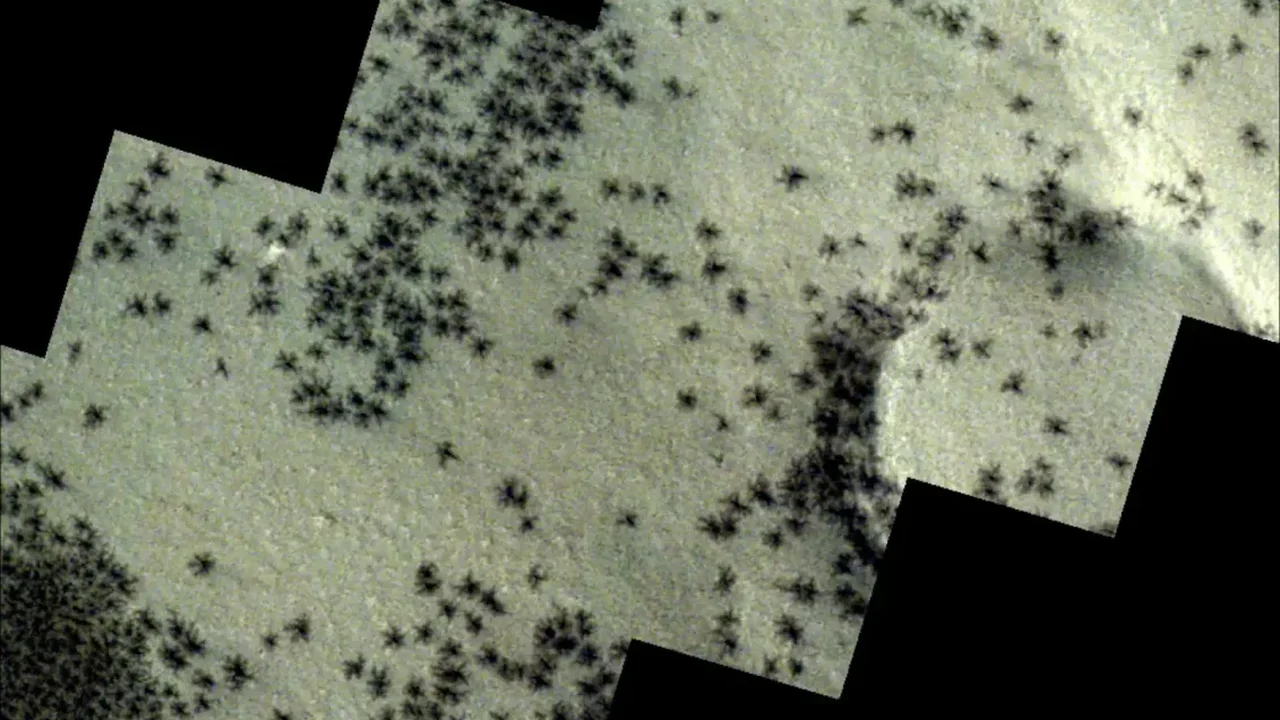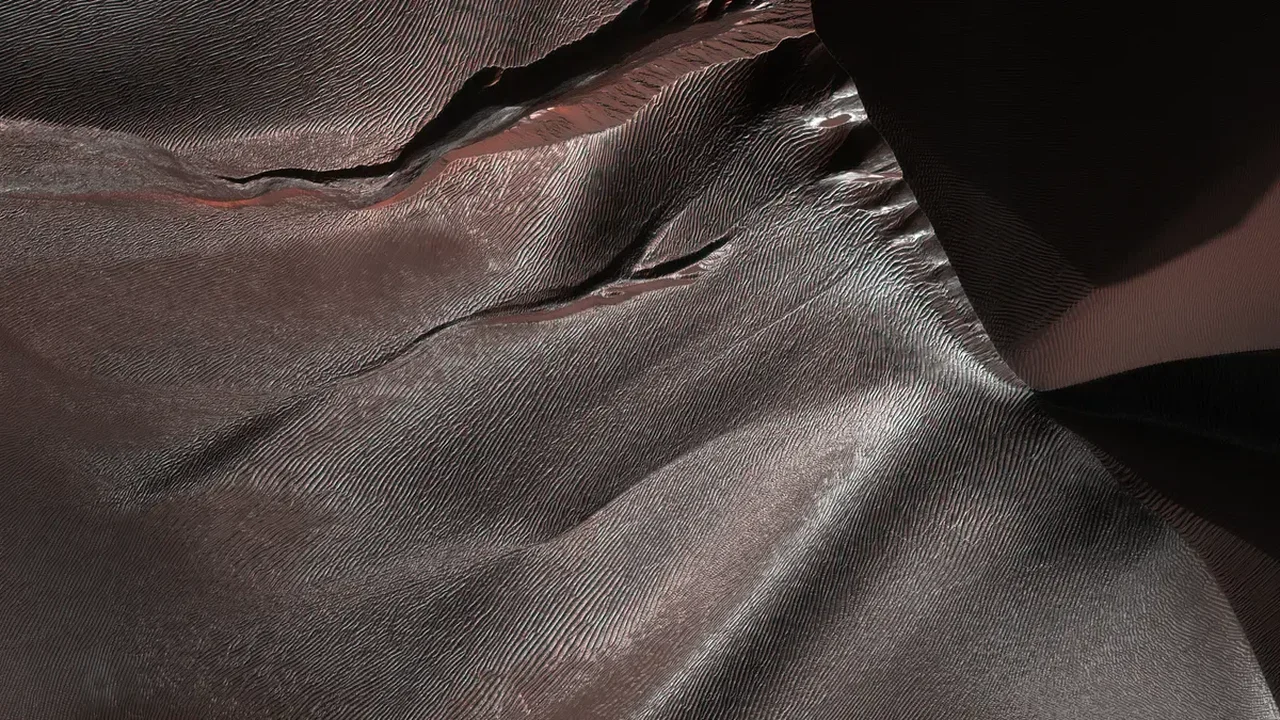
Some gullies on Mars resemble channels carved by flowing water, but a new study points to a different process at Sisyphi Cavi, a landscape near the planet's south pole. There, seasonal carbon dioxide frost may be helping reshape slopes without liquid water.
Researchers led by Université Paris-Saclay examined infrared observations collected by NASA's Mars Reconnaissance Orbiter and the European Space Agency's Mars Express. They identified carbon dioxide ice at the site, but no separate deposits of water ice during the season when the gullies were changing. The study is a preprint and has not yet completed peer review.
Gas-driven movement on a frozen world
In the Martian spring, carbon dioxide frost changes directly from solid to gas. The researchers suggest that this gas can seep into the soil, loosen its grains and reduce friction. Dust and rock may then slide downhill in fluid-like avalanches, cutting channels and building fan-shaped deposits.
Carbon dioxide geysers may also affect the surface, but their activity appears to peak earlier than much of the observed erosion. That timing makes geysers a less likely explanation for the main changes at this location.
The findings concern present-day activity at Sisyphi Cavi; they do not explain how every Martian gully first formed. Some may have been shaped by water in the past and later altered by frost, while others may have different origins. The study highlights how understanding Mars's seasonal processes could help researchers interpret landscapes on other worlds more accurately.