Keto eating is built around low-carb, high-fat choices, but vegetables still play an important role in keeping meals varied, colorful, and nutrient-rich. The key is choosing produce with more water and fiber, and fewer net carbs.
Best vegetables for keto
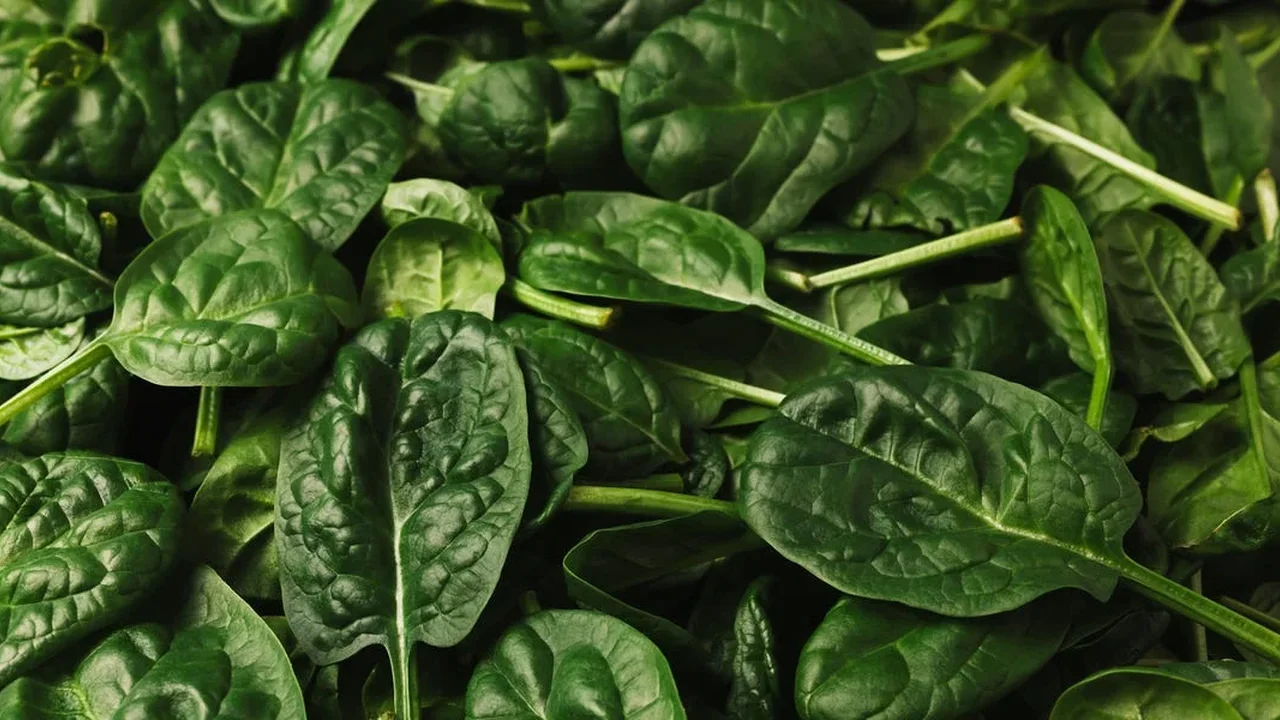
Dietitians commonly point to leafy greens, cruciferous vegetables, and crisp stem vegetables as the most keto-compatible options. Spinach, kale, arugula, broccoli, cauliflower, Brussels sprouts, celery, asparagus, cucumber, and zucchini are among the most practical picks for everyday meals.
These vegetables can be used in salads, stir-fries, soups, omelets, and simple roasted dishes. Their appeal goes beyond carb count: many are also rich in vitamins, minerals, antioxidants, and fiber, which help support a more balanced eating pattern.
Some vegetables can still fit into a keto plan in smaller portions. Pumpkin, bell peppers, jicama, red cabbage, Swiss chard, mushrooms, hearts of palm, bok choy, and pickles can all be included thoughtfully, depending on serving size and total daily carb goals.
Experts note that starchy vegetables such as potatoes and squash are higher in carbohydrates, so they are generally better used in moderation. Even so, no vegetable is automatically off the table; portion awareness remains the most important factor.
For people following keto, the most useful strategy is to build meals around vegetables that add volume, texture, and nutrients without pushing carb intake too high. That approach makes the diet easier to sustain while keeping meals fresh and flexible.
As interest in personalized nutrition grows, low-carb vegetable choices may continue to shape how people design smarter, more adaptable eating habits in the future.