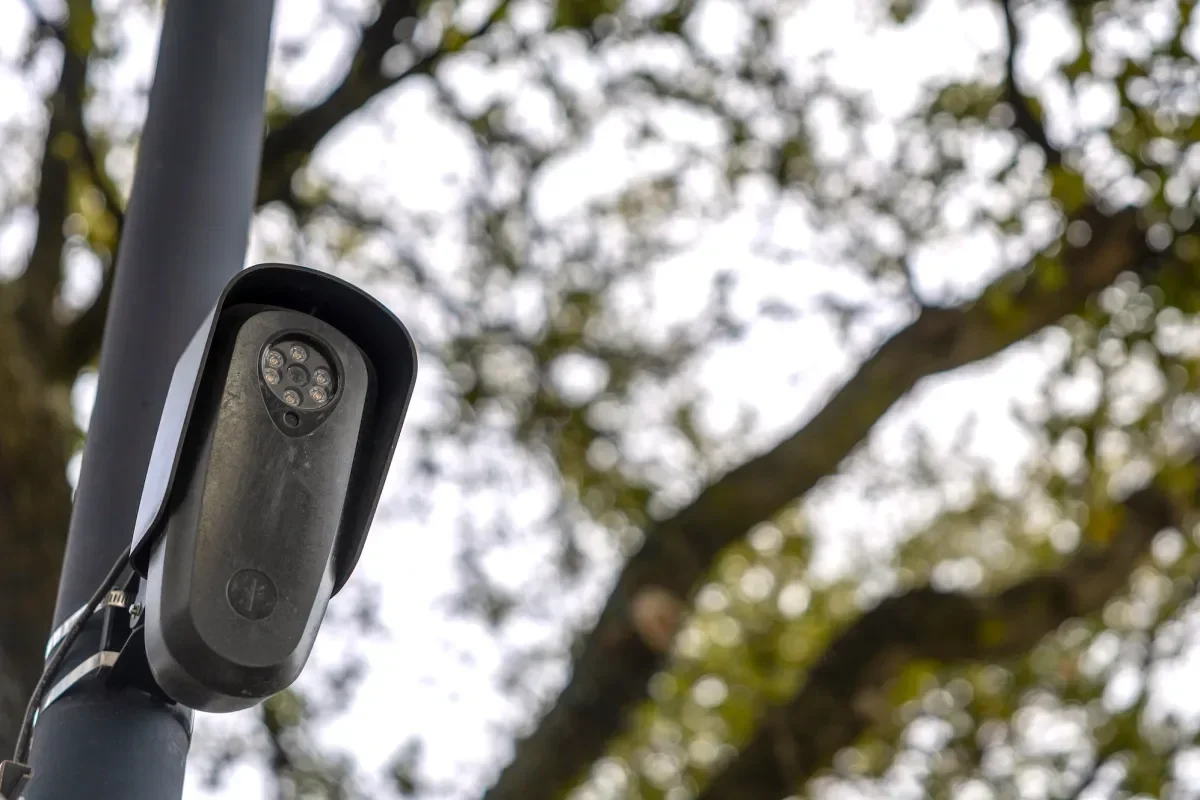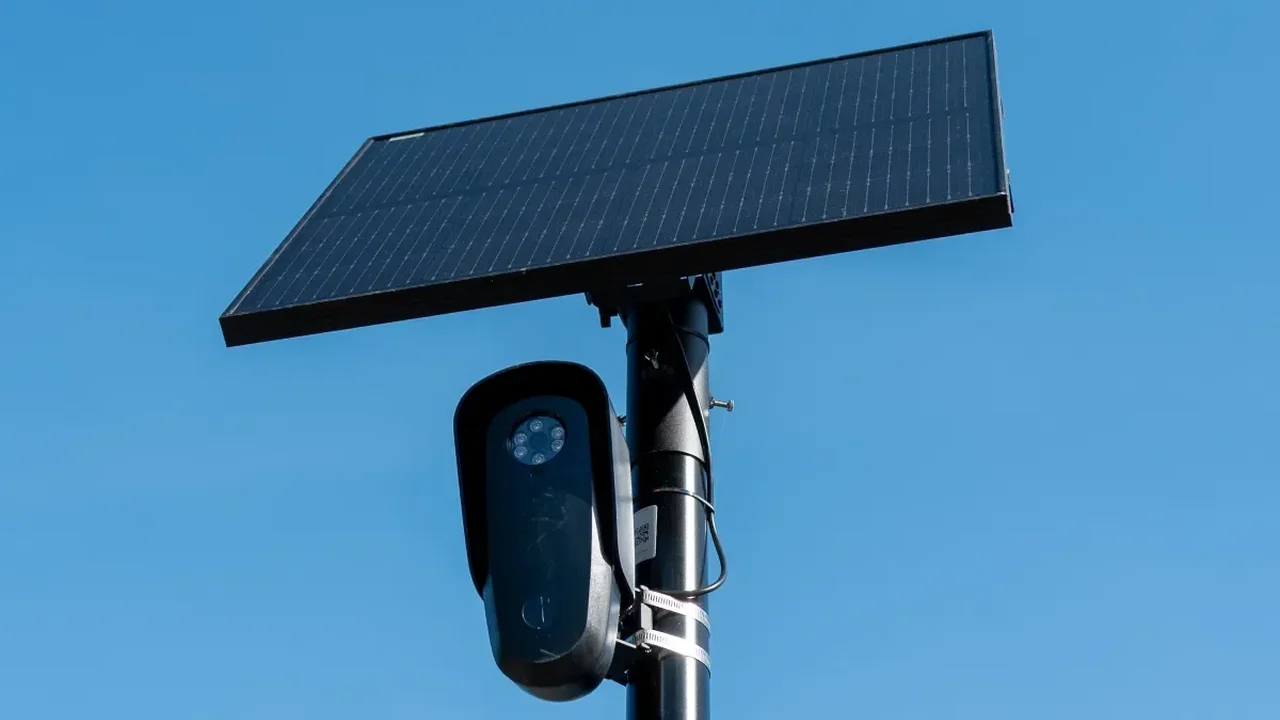
A federal court in Tulsa, Oklahoma, has examined how automated license plate reader platforms can intersect with digital privacy and constitutional protections.
Judge Sara Hill found that a sheriff's deputy's search of the Flock Safety database for a vehicle's license plate required a warrant under the circumstances of the case. The ruling concluded that the search did not appear to be supported by a sufficiently specific reason before the vehicle's travel data was accessed.
The decision focuses on the expanding role of networked cameras, which can record passing vehicles and compile location histories over time. Judge Hill described broad, on-demand access to such records as a form of indiscriminate mass surveillance when it enables authorities to reconstruct an individual's movements without targeted judicial oversight.
Technology and Privacy Standards
Automated license plate reader systems are increasingly used by public agencies and private organizations to identify vehicles, manage parking, support traffic operations and assist public-safety workflows. Their growing reach has also strengthened the debate around data governance, retention periods and access controls.
Although the Tulsa ruling does not establish a nationwide legal standard, it adds an important judicial perspective to discussions around location data. The case highlights the distinction between observing a vehicle in a public setting and assembling a detailed, long-term map of someone's movements through searchable databases.
For technology providers and public institutions, the decision may encourage clearer policies around warrants, audit trails, limited data retention and transparent use protocols. It also underscores the value of designing civic technologies with privacy by design principles from the outset.
As connected sensing systems become more common, this debate could help shape future frameworks that balance useful urban technology with stronger individual control over personal location data.