The glutes are among the body's most influential muscle groups, supporting everyday movement, posture, running, jumping and strength training. While squats, deadlifts and lunges already activate these muscles, a more intentional plan can help create balanced lower-body strength.
Build a focused weekly routine
For most people, lower-body compound movements performed one to two times per week provide a solid foundation for glute training. Those seeking additional muscle development can add three to four glute-focused exercises across the week, either in one dedicated leg session or distributed through full-body workouts.
The key is not simply adding more volume, but choosing movements with different purposes. The glutes consist of the gluteus maximus, medius and minimus, which work together to extend the hips, stabilize the pelvis and guide movement in multiple directions.
Prioritize hip extension
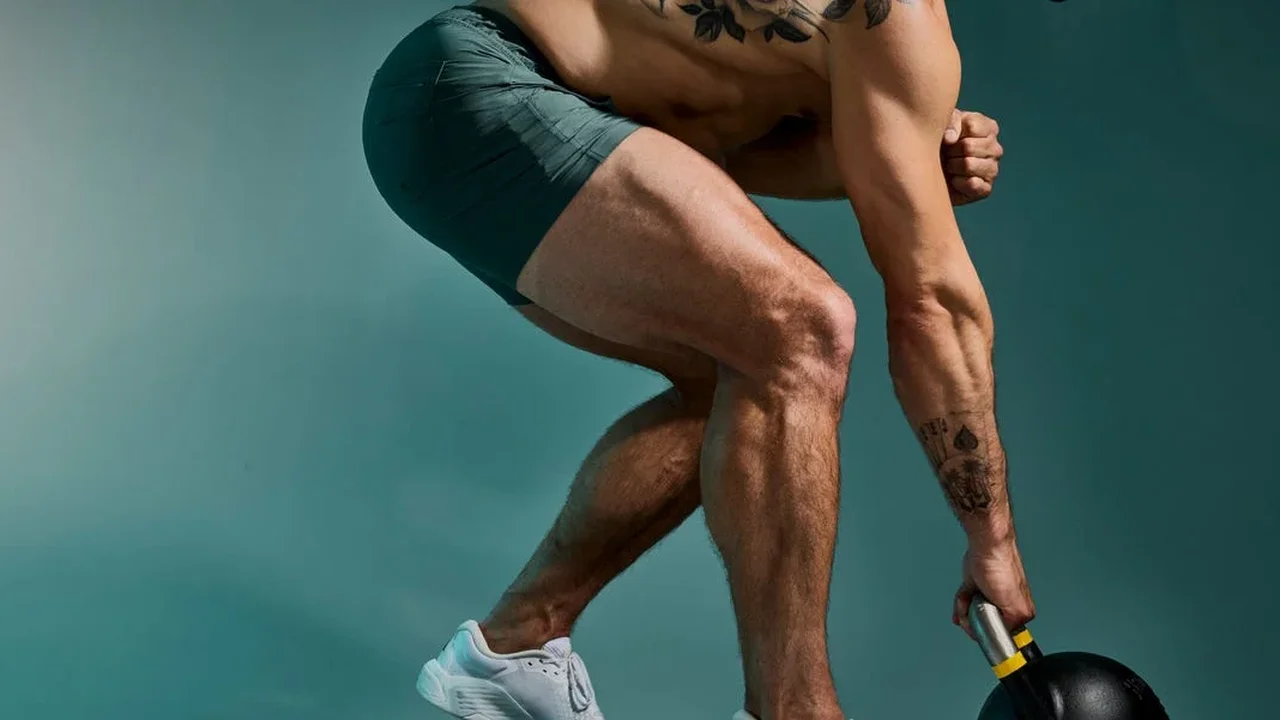
The gluteus maximus plays a leading role in hip extension--the action used to stand up, accelerate while running or jump. Squats, deadlifts, lunges and kettlebell swings all train this function. Direct options such as hip thrusts and glute bridges place even greater focus on the movement and can be integrated more frequently when recovery is sufficient.
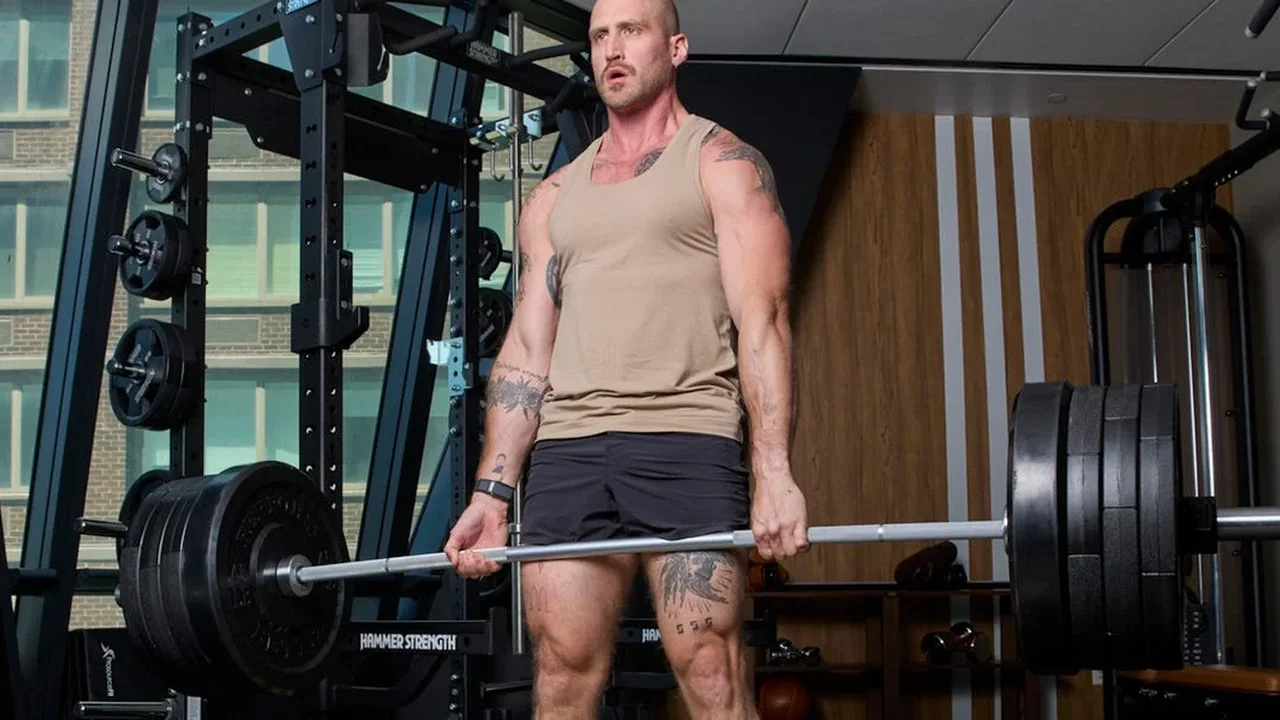
A practical session could pair one major compound lift, such as a squat or deadlift variation, with one direct hip-extension exercise. Quality technique, gradual progression and enough rest remain more valuable than adding exercises without a clear purpose.
Include lateral hip work
Complete glute training also includes hip abduction, or moving the leg away from the body's midline. Exercises such as clamshells and side-lying leg raises target the gluteus medius and minimus, muscles that contribute to pelvic control and steadier movement.
Combining hip-extension and hip-abduction patterns creates a more rounded approach: build strength through large lifts, then use targeted movements to develop control and muscular balance. Beginners can start conservatively and refine form before increasing load or frequency.
A smarter focus on glute training may help shape future fitness routines around movement quality, personalized progression and strength that carries beyond the gym.