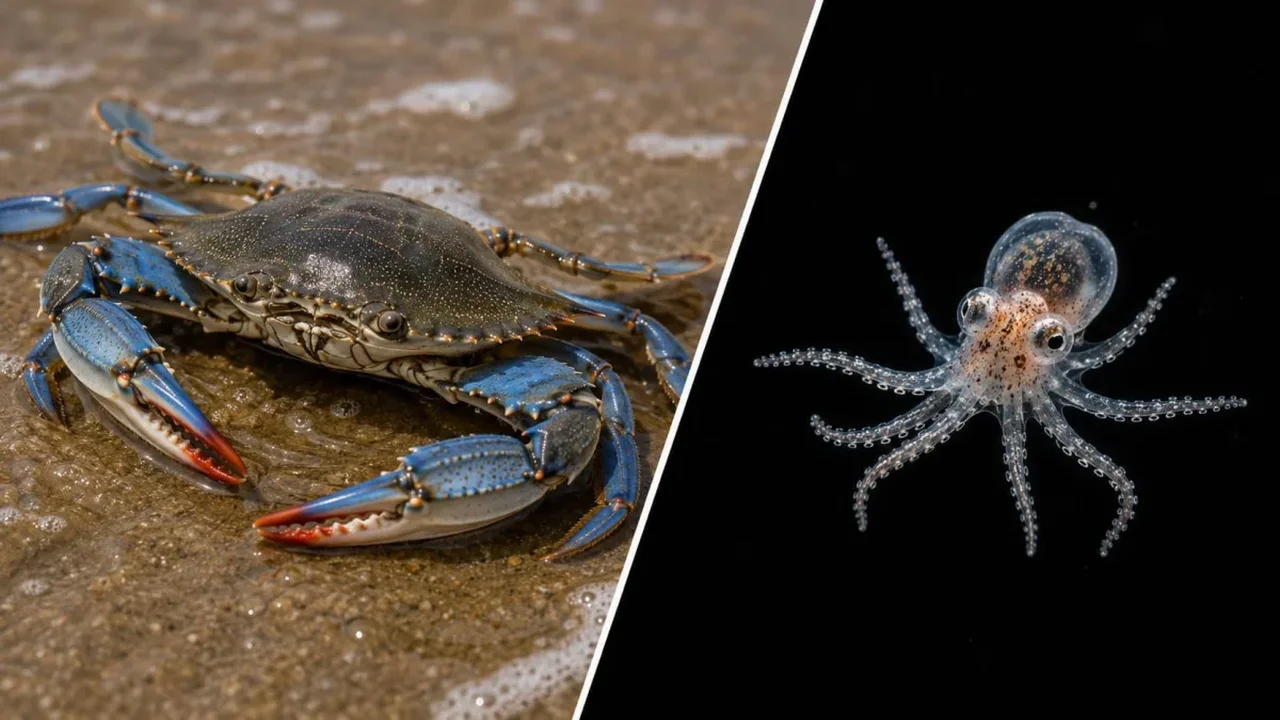
Italy is trying an unusual but science-driven approach to protect its coastal ecosystems: releasing 130,000 baby octopuses into the Adriatic Sea to help curb the spread of invasive blue crabs.
The project, called Octo-Blu, is led by researchers at the University of Bologna with support from the Emilia-Romagna regional government. The goal is to strengthen a native predator already present in the Adriatic and see whether it can help restore balance where blue crabs have multiplied rapidly.
A native predator for a growing challenge
Blue crabs, originally from the Atlantic coast of North America, arrived in the Mediterranean decades ago and have expanded quickly in warmer waters. Their feeding habits put pressure on clam and mussel farms, damaging shells, tearing nets, and consuming young shellfish on the seafloor.
Researchers say common octopuses are a promising option because they naturally hunt crustaceans. The team has raised octopuses in laboratory facilities, monitored their earliest life stage, and then released the tiny paralarvae near Cesenatico and Riccione, areas affected by crab activity.
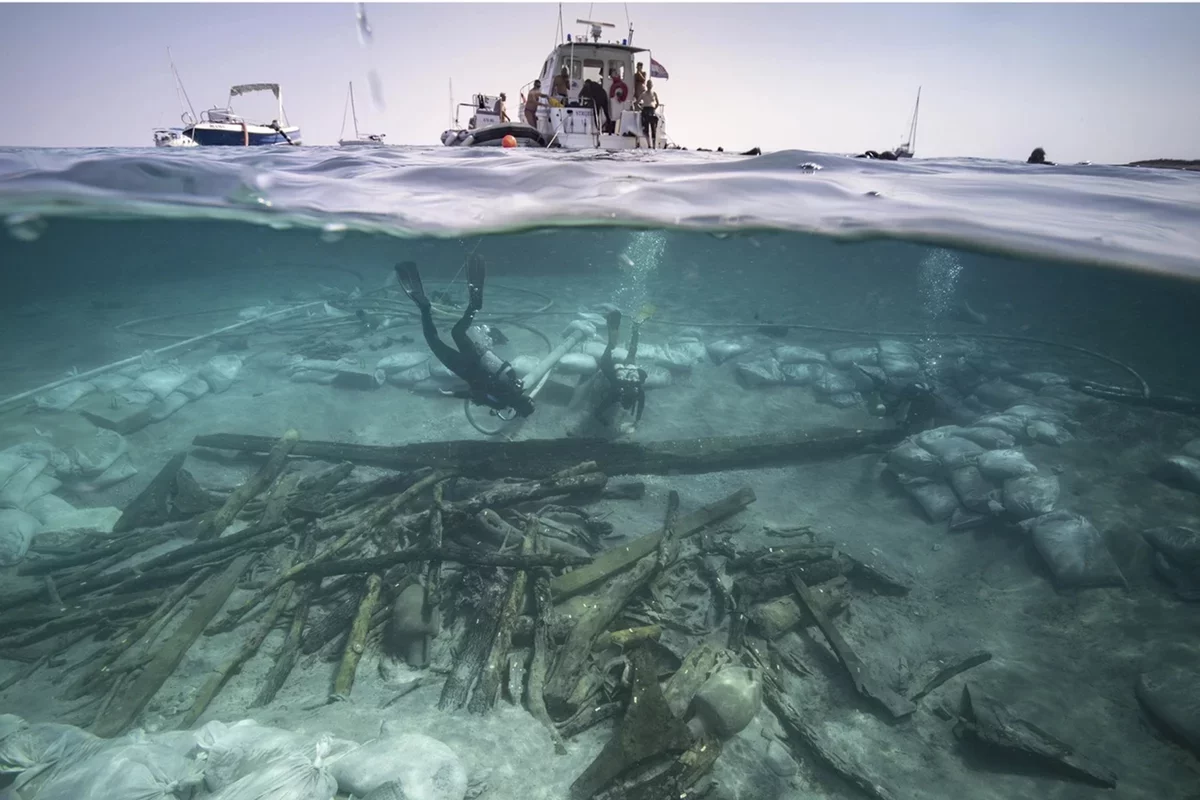
To improve survival, scientists also placed artificial shelters underwater so the young octopuses have places to hide as they grow. Even though only a small fraction is expected to survive to adulthood, the researchers believe the effort could still matter if enough predators reach maturity.
Why the experiment matters
Recent studies from the University of Bologna show that blue crabs readily feed on commercially important Manila clams and Mediterranean mussels, while females can carry more than a million eggs each. That reproductive capacity makes the species especially difficult to manage.
The Octo-Blu project is not presented as a single solution. Instead, it is part of a broader strategy that includes fishing and the study of other native predators such as sea bass and eels. The experiment will continue with further releases and close monitoring of how the octopuses adapt to the coastal environment.
If successful, the initiative could offer a model for using native species to support marine resilience in changing seas. It may also inspire future ecosystem-based solutions that work with nature's own food webs.