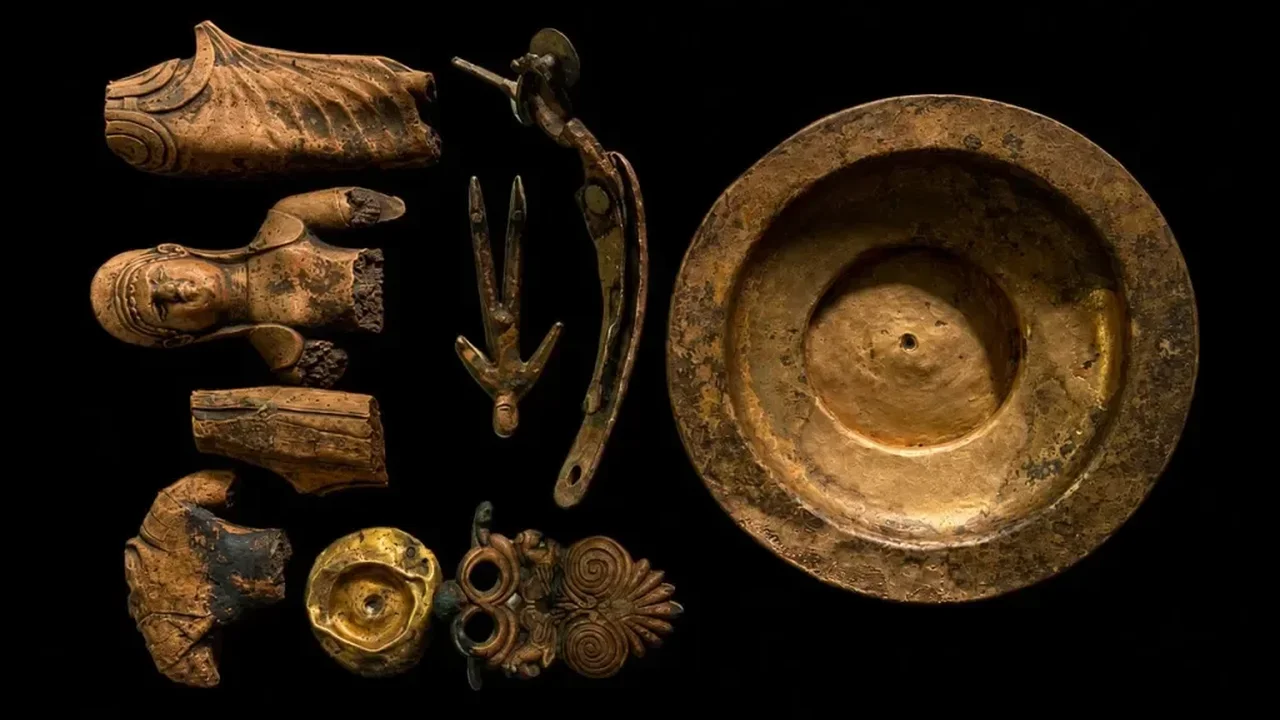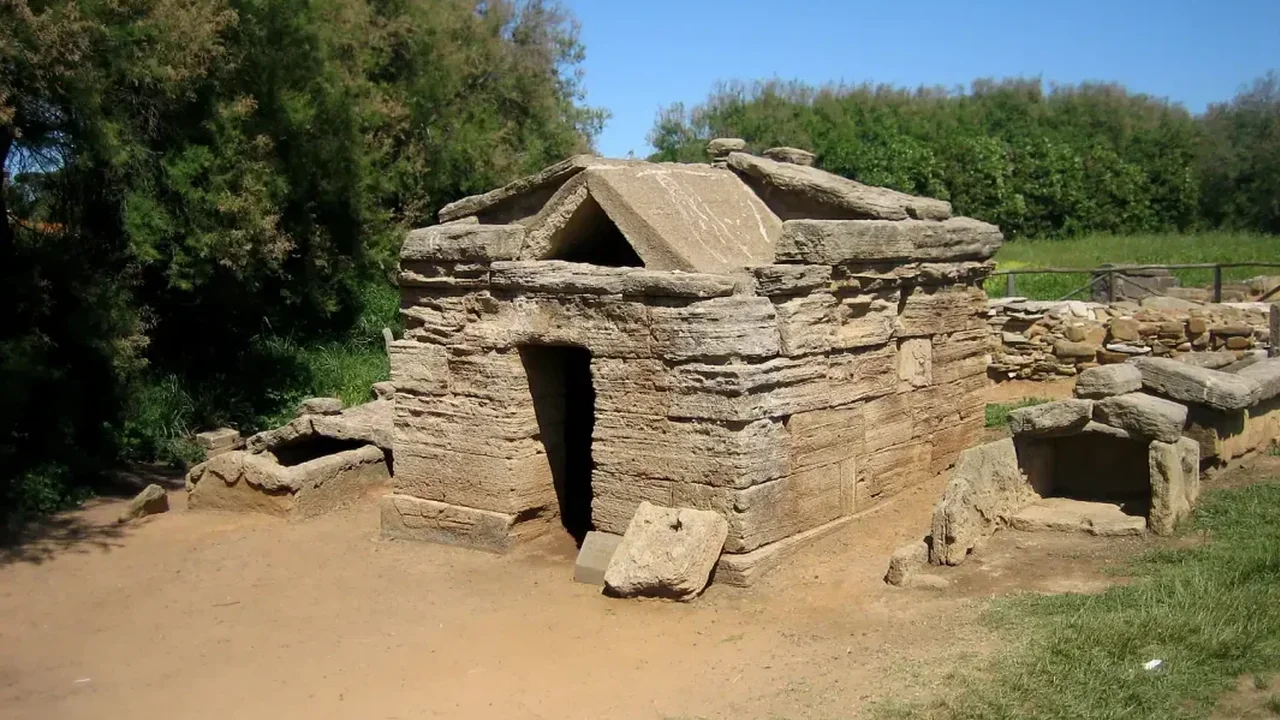
Archaeologists working at Kainua, an Etruscan site in northern Italy, have uncovered a remarkable well that appears to have marked both the beginning and the closing chapter of its use. At the bottom, researchers found fragments of two bronze female figurines and a rare bronze plate, preserved for more than 2,500 years by waterlogged, low-oxygen conditions.
A sacred space beneath the city
The well was discovered during the University of Bologna's 39th excavation campaign at the site southwest of Bologna. It stood in a major religious zone linked to the Etruscan divine pair Tinia and Uni, alongside evidence of worship for Vei, a deity associated with fertility and abundance.
The bronze objects date to the late sixth or early fifth century B.C., when Kainua was taking shape. Researchers believe they were placed there as votive offerings, likely during a ceremony connected to the foundation of the well and the early growth of the city. The bronze plate is especially unusual, since its form is known from Etruscan pottery but has not previously been documented in bronze.
The figurines, showing richly dressed girls or women, may have been intentionally broken before deposition. Their craftsmanship suggests they were valuable offerings, made with both skill and symbolic intent.
A final ritual at the end of the well's life
Later in the well's history, archaeologists found the skeletons of an adult man and woman. The team thinks their placement may have been part of a closing ritual rather than a sacrifice. To better understand who they were, researchers plan DNA analysis and radiocarbon dating, which could clarify their relationship and the timing of the well's closure.
Finds like this show how archaeology can connect objects, places, and human stories across centuries. As research continues, the well may offer a clearer view of how ritual, community, and sacred space shaped Etruscan life -- and how such discoveries can deepen our understanding of ancient urban origins in the future.