The demand for energy-efficient data centers, particularly for AI, has led to innovative solutions, including the idea of launching servers into space to harness constant solar energy. However, one startup believes that the ocean might be a more viable alternative.
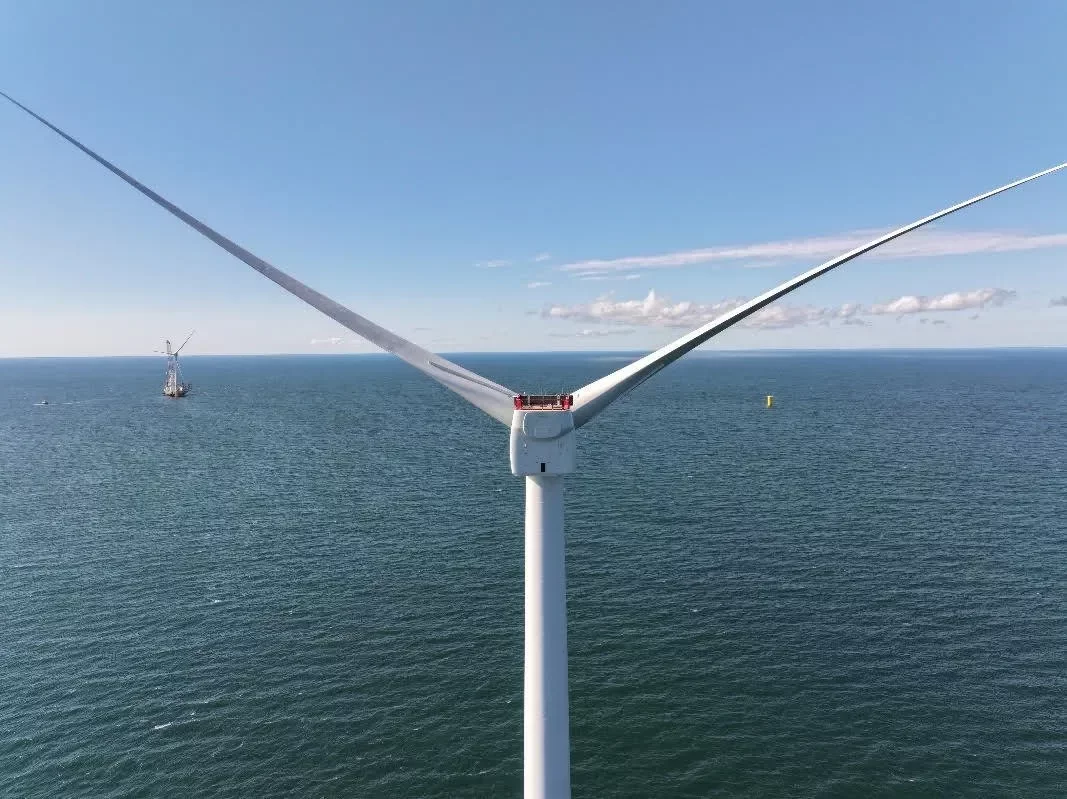
Aikido Technologies, an offshore wind developer, is set to test a 100-kilowatt demonstration data center submerged off the coast of Norway later this year. This compact facility will be housed within the floating pods of an offshore wind turbine.
If successful, Aikido plans to expand its operations with a larger facility off the UK coast by 2028. This upcoming model is expected to feature a turbine generating between 15 to 18 megawatts, supporting a data center with a capacity of 10 to 12 megawatts.
Moving data centers offshore presents several advantages. The direct access to renewable energy from the turbine above ensures a reliable power supply. Additionally, offshore winds tend to be steadier than those on land, and a modest battery system can manage any fluctuations.
Another significant benefit of submerged data centers is the alleviation of local opposition, often termed NIMBYism (Not In My Backyard). Communities frequently resist the establishment of data centers due to concerns over noise and environmental impact. By situating these facilities underwater, Aikido addresses these concerns effectively.
Cooling is another critical factor. The cold seawater surrounding submerged servers simplifies the cooling process, contrasting sharply with the challenges faced by orbital data centers that must find innovative cooling methods in a vacuum.
However, this approach is not without its challenges. The ocean's harsh conditions necessitate robust designs to withstand potential movement and corrosion from seawater. Ensuring that all equipment, including power and data connections, is adequately protected will be essential for long-term success.
Aikido is not the first to explore underwater data centers. Microsoft proposed a similar concept over a decade ago, launching an experimental project off Scotland's coast in 2018. This trial demonstrated promising results, with only six of over 850 servers failing during the 25-month period, likely aided by the use of inert nitrogen gas in the data hall.
Despite the initial success, Microsoft ultimately decided to discontinue its underwater project by 2024, but it has since open-sourced several related patents.
The exploration of offshore data centers represents a forward-thinking approach to energy consumption and environmental sustainability in the tech industry, paving the way for innovative solutions in the future.