Envision a scenario where escalating tensions between the US, Israel, and Iran unfold in a world predominantly powered by renewable energy sources like wind and solar, rather than fossil fuels.
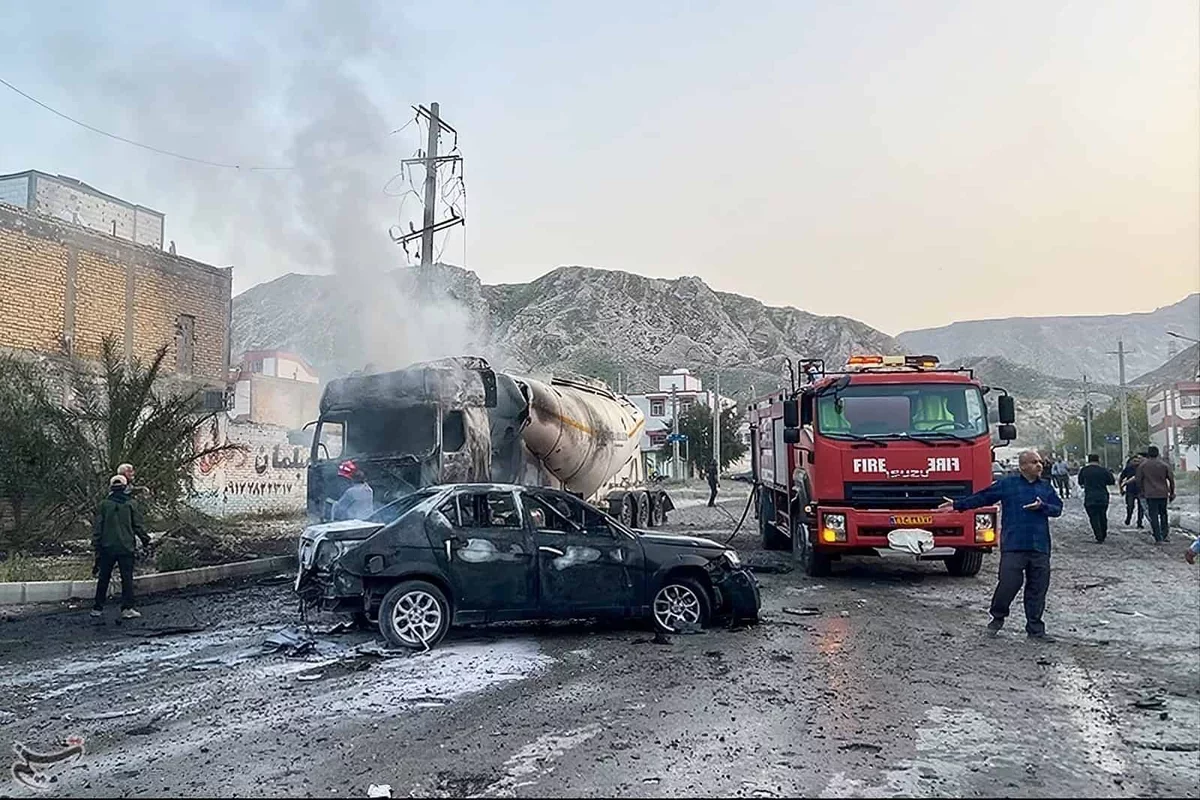
In our current economy, conflicts in the Gulf region, particularly those involving Iran, trigger immediate reactions in oil markets, leading to price surges and inflation concerns. The Strait of Hormuz, a vital passage for global oil trade, becomes a focal point for economic stability. However, in a future where energy is largely generated from renewable sources, the implications of such conflicts could be markedly different.
A System Built on Resilience
For decades, the global economy has relied heavily on fossil fuels from a limited number of producers in the Middle East, making geopolitical tensions particularly impactful. When disruptions occur, price spikes in oil and gas can swiftly affect transportation, agriculture, and manufacturing, leading to widespread economic challenges.
Reimagining the Crisis in a Renewable World
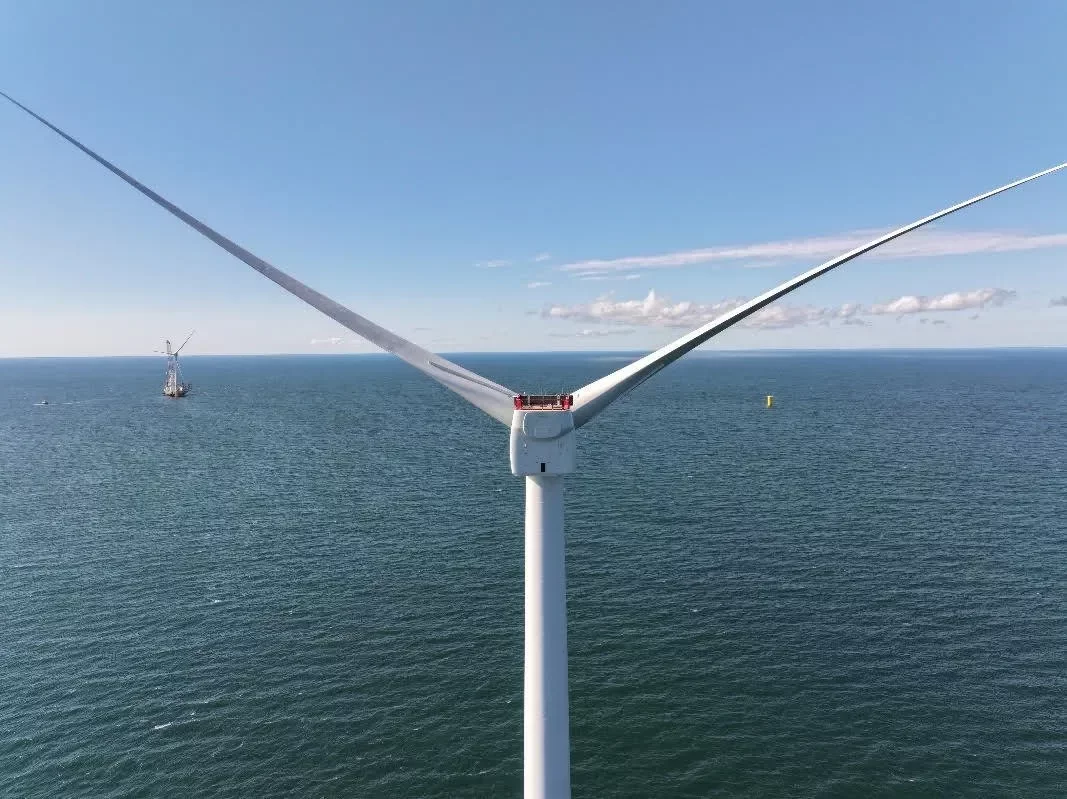
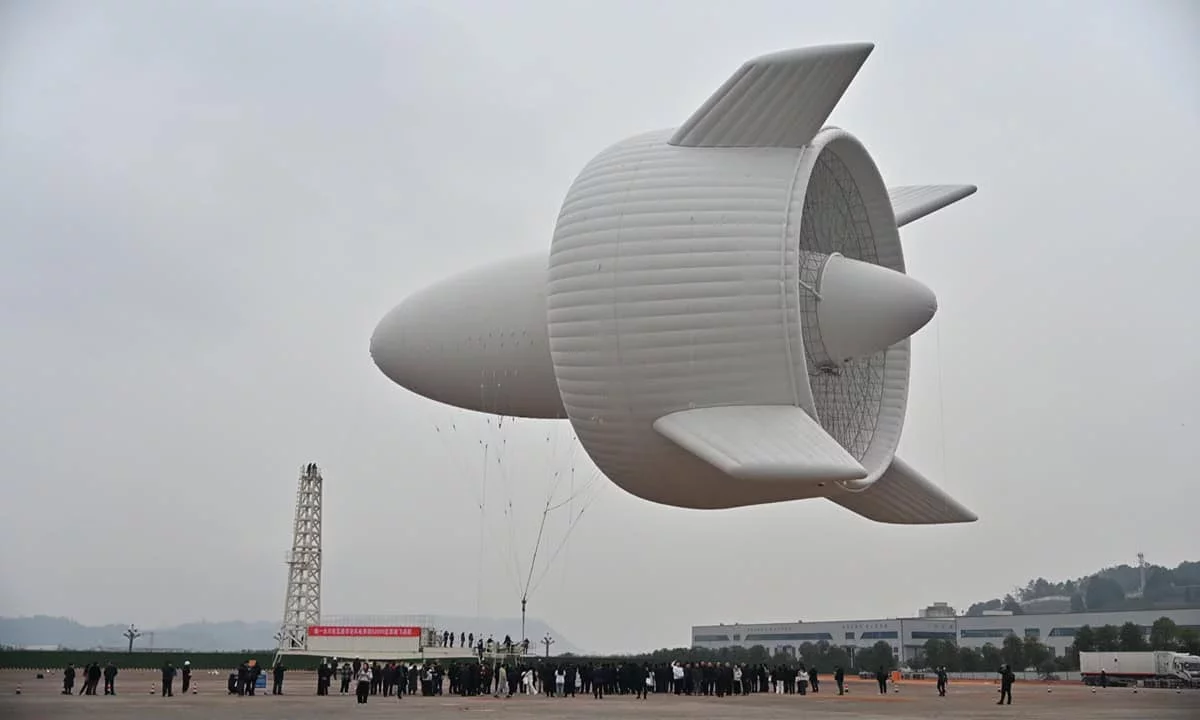
Now, let's consider the same geopolitical crisis in a world where energy systems are predominantly renewable. In this scenario, most electricity would be generated domestically from sustainable sources, with electric vehicles and renewable heating systems becoming the norm.
In this imagined situation, while the conflict would still have some economic ramifications, the overall macroeconomic shock would likely be less severe. With a reduced dependence on oil, the direct link between Gulf instability and global inflation would weaken. Electric car owners would be less affected by fluctuations in petrol prices, and household energy costs would remain stable, alleviating pressure on governments to intervene with subsidies.
Energy security would shift focus from controlling distant maritime routes to developing a robust, decentralized electricity grid and enhancing storage capabilities.
Emerging Geopolitical Dynamics
While renewable energy systems may lead to a decrease in traditional energy geopolitics, new dynamics would emerge. Renewable technologies rely on critical minerals like lithium and cobalt, which could create new chokepoints in mineral processing and manufacturing hubs. The competition for access to these resources could reshape global power structures.
Unlike fossil fuels, which are concentrated in specific regions, renewable resources like sunlight and wind are more evenly distributed. This distribution reduces the centralization of power that has characterized the oil industry. Moreover, stronger global standards for community involvement and environmental protections in mineral supply chains empower local communities, providing them with a greater voice in resource management.
The Geopolitical Dividend of Decarbonization
Decarbonization represents not only a necessary response to climate change but also a potential shift in geopolitical power dynamics, fostering greater stability. Although maritime chokepoints like the Strait of Hormuz would still hold significance, the fragility of the fossil fuel-dependent system would diminish.
This thought experiment illustrates that while renewable energy may not eliminate geopolitical tensions, it could lead to a more resilient and equitable global energy landscape.