Transporting concrete to Mars presents significant challenges, both physically and economically. However, a team of researchers is exploring a groundbreaking alternative: utilizing living bacteria for construction. In a recent perspective published in Frontiers in Microbiology, they propose a pioneering technique known as "biocementation" to create structures on the Red Planet.
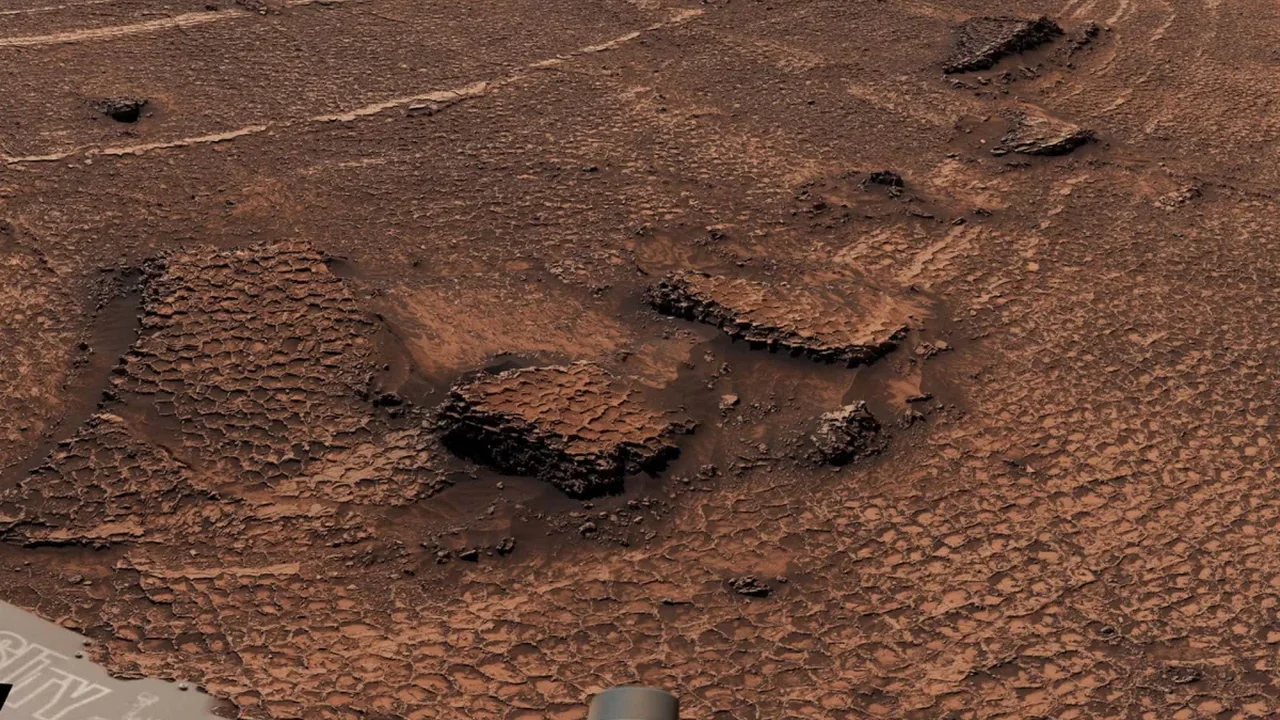
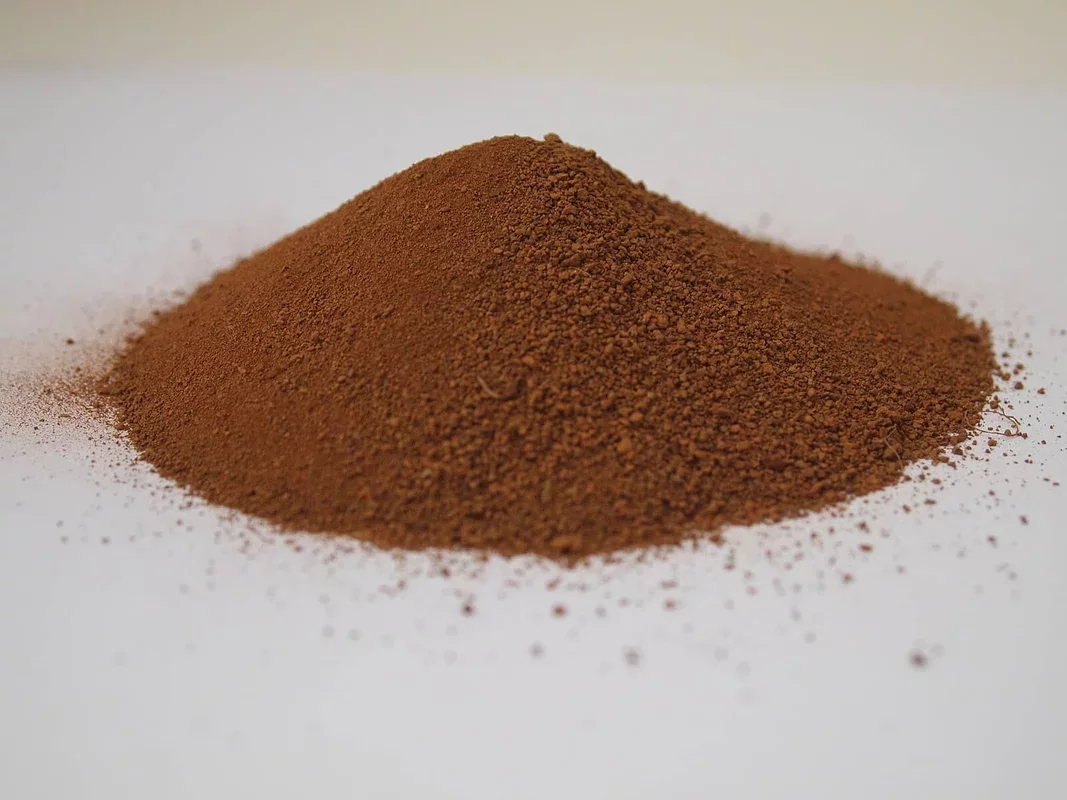
By analyzing Martian regolith, the researchers discovered that while the soil is abundant in silica and iron, it lacks calcium oxide, a key ingredient for traditional Portland cement. To overcome this limitation, they suggest using specially selected microbes to bind Martian dust into durable, solid formations.
Utilizing Martian Resources
The bacterium Sporosarcina pasteurii plays a crucial role in this innovative process. When fed urea--readily available in astronaut urine--and calcium, it initiates a chemical reaction that produces calcium carbonate, effectively cementing the soil particles together. This natural binding agent could transform loose Martian dust into a cohesive building material.
However, the survival of these microbes on Mars poses another challenge, as they require oxygen and nutrients that are scarce in the Martian environment. This is where the extremophilic cyanobacterium Chroococcidiopsis comes into play. Capable of thriving in harsh conditions, it can harness sunlight and carbon dioxide to generate the necessary oxygen and sugars for the construction bacteria.
This symbiotic relationship creates a self-sustaining cycle: the cyanobacteria provide life support, while the ureolytic bacteria undertake the construction tasks, with astronauts supplying the urea.
A Sustainable Future for Martian Habitats
Compared to other proposed construction methods, such as thermal sintering--which is energy-intensive--biocementation is much more sustainable, requiring up to ten times less energy. This efficiency is vital for operations in the extreme Martian landscape.
The researchers envision a future where robotic automation plays a key role in this process. Advanced 3D printing rovers could mix Martian soil with the bacterial solution on-site, allowing for the layer-by-layer construction of habitats.
While the concept is promising, practical implementation remains a challenge. The extreme conditions on Mars--frozen temperatures, high radiation levels, and toxic perchlorates--raise questions about the viability of these microbes working effectively together. However, if successful, this biocementation approach could revolutionize how we build on Mars, paving the way for sustainable human habitats in space.
Journal Reference: From Earth to Mars: A Perspective on Exploiting Biomineralization for Martian Construction, Frontiers in Microbiology (2025).