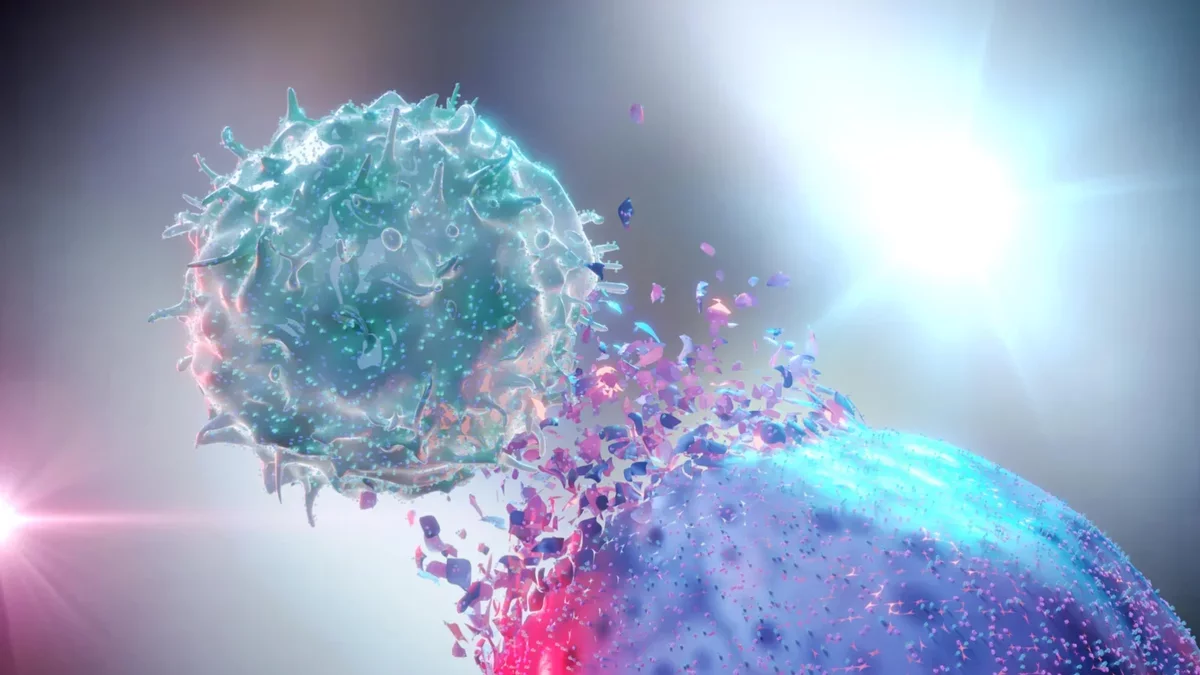
Recent developments in CAR-based therapies are revolutionizing the landscape of cancer treatment, particularly for hematological malignancies. While CAR-T cell therapies have garnered significant attention, researchers are now turning their focus to optimizing CAR-NK cells, aiming to unlock their full potential in combating cancer. A primary challenge lies in deciphering the internal signaling mechanisms that maximize the efficacy of these powerful immune cells.
This latest research sheds light on the influence of specific signaling domains on the activity of NK cells. By integrating 2B4 and DAP12 into the CAR framework, scientists have successfully elevated the activation state of these cells, enhancing their ability to target tumors effectively.
Refining Activation Signals with Pharmacological Control
The research team also investigated a novel strategy to fine-tune NK cell performance through a temporary drug-based mechanism. They employed dasatinib, a medication known to temporarily inhibit cell activity, to assess how controlled pauses could impact the cells' effectiveness.
Findings indicate that merging optimized activation signals with reversible pharmacological control significantly boosts both the potency and efficiency of CAR-NK therapies. This innovative approach may pave the way for the development of more sophisticated and controllable cell-based cancer treatments.
Enhanced Tumor Control in Preclinical Studies
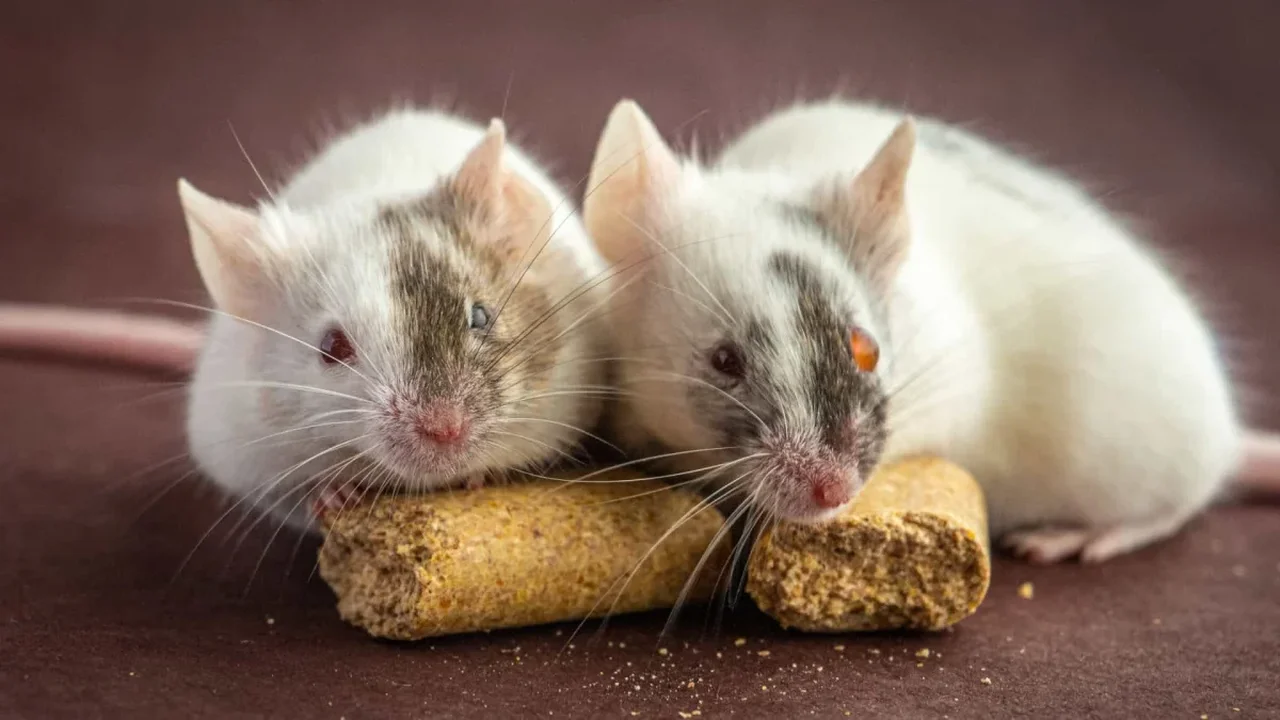
According to the Ribeirão Preto Blood Center Press Office, animal model experiments yielded promising outcomes. CAR-NK cells engineered with the 2B4-DAP12 combination and pretreated with dasatinib demonstrated superior tumor growth control compared to traditional therapy variants.
Collaborative Research and Institutional Backing
The Center for Cell-Based Therapy (CTC), part of the Research, Innovation, and Dissemination Centers (RIDCs) supported by FAPESP, plays a crucial role in this research. Affiliated with the Ribeirão Preto Blood Center and the Hospital das Clínicas of the Ribeirão Preto Medical School at the University of São Paulo (FMRP-USP), the CTC is at the forefront of advancing cancer treatment methodologies.
These groundbreaking findings signal a potential shift towards a new era of CAR-NK therapies, offering enhanced and more adaptable strategies in the ongoing fight against cancer.