Scientists are advancing a promising branch of regenerative medicine: using human-animal chimeras to explore how human tissues may one day be grown for transplantation and disease research.
The approach builds on blastocyst complementation, a technique in which an animal embryo is designed with a missing developmental pathway. Human stem cells may then occupy that biological niche, potentially helping form a specific tissue or organ.
From Rodent Studies to Organ Research
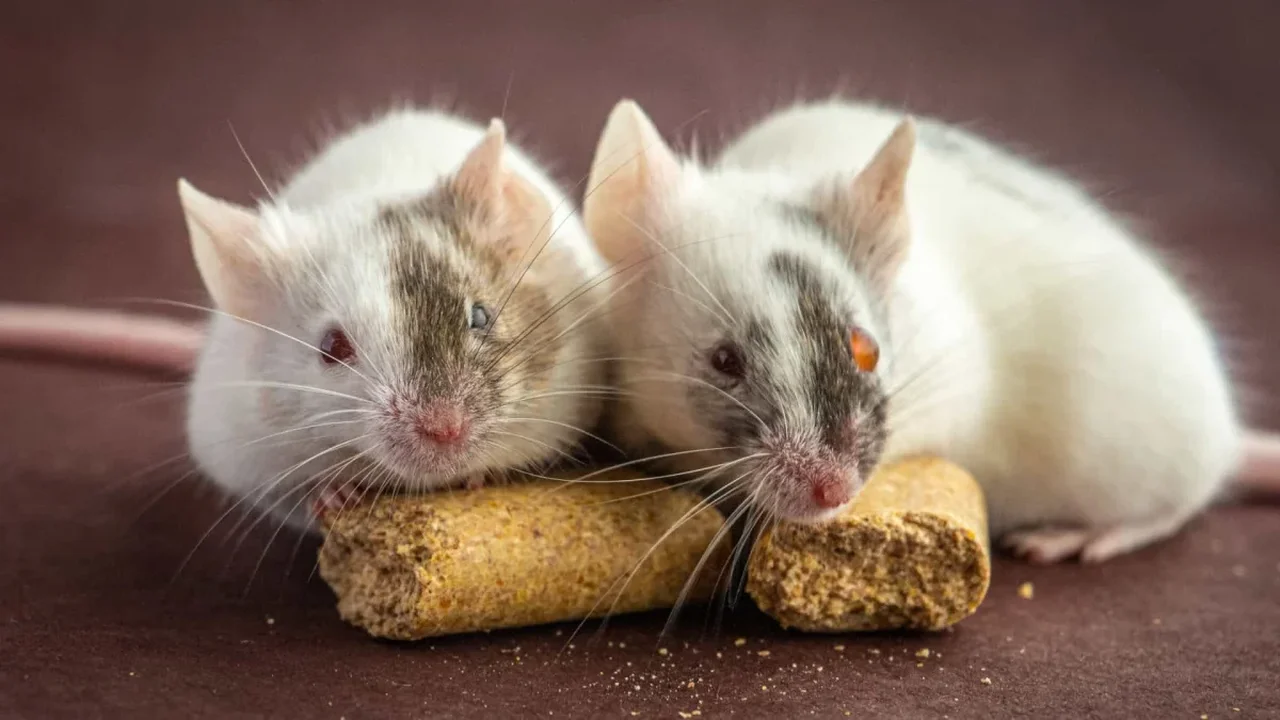
Earlier experiments demonstrated that organs from one species could develop within another closely related species. Research teams led by Hiromitsu Nakauchi have contributed key milestones, including studies of pancreas development in rodents and more recent work involving mice with human cellular contributions.
At the Institute of Science Tokyo, Nakauchi's team is investigating how human cells interact with animal tissues during early development. The goal is not simply to create mixed-species models, but to understand the biological conditions needed for cells to survive, organize and contribute to medically useful tissues.
Researchers believe these models could offer new ways to study conditions such as Alzheimer's and Parkinson's disease, where conventional laboratory models may not fully reflect human biology. In the longer term, the field could support efforts to address the global need for transplantable organs.
Scientific Barriers and Responsible Design
Significant technical challenges remain. Human cells and animal embryos operate on different developmental timelines, communicate through different molecular signals and may not naturally integrate into the same tissues. Scientists are testing methods that improve cell survival while directing cells toward targeted organs.
Research groups are also developing safeguards designed to limit human cells from contributing to unintended tissues. These measures include genetic controls that can deactivate cells if they enter areas outside the intended research pathway.
The work continues under careful scientific and ethical oversight, with researchers examining animal welfare, developmental limits and the appropriate use of emerging biotechnology. As knowledge grows, transparent standards will be central to translating laboratory findings into clinical applications.
Chimera research remains an early-stage frontier, yet it could help reshape regenerative medicine by making tailored tissues, improved disease models and future organ therapies more achievable.