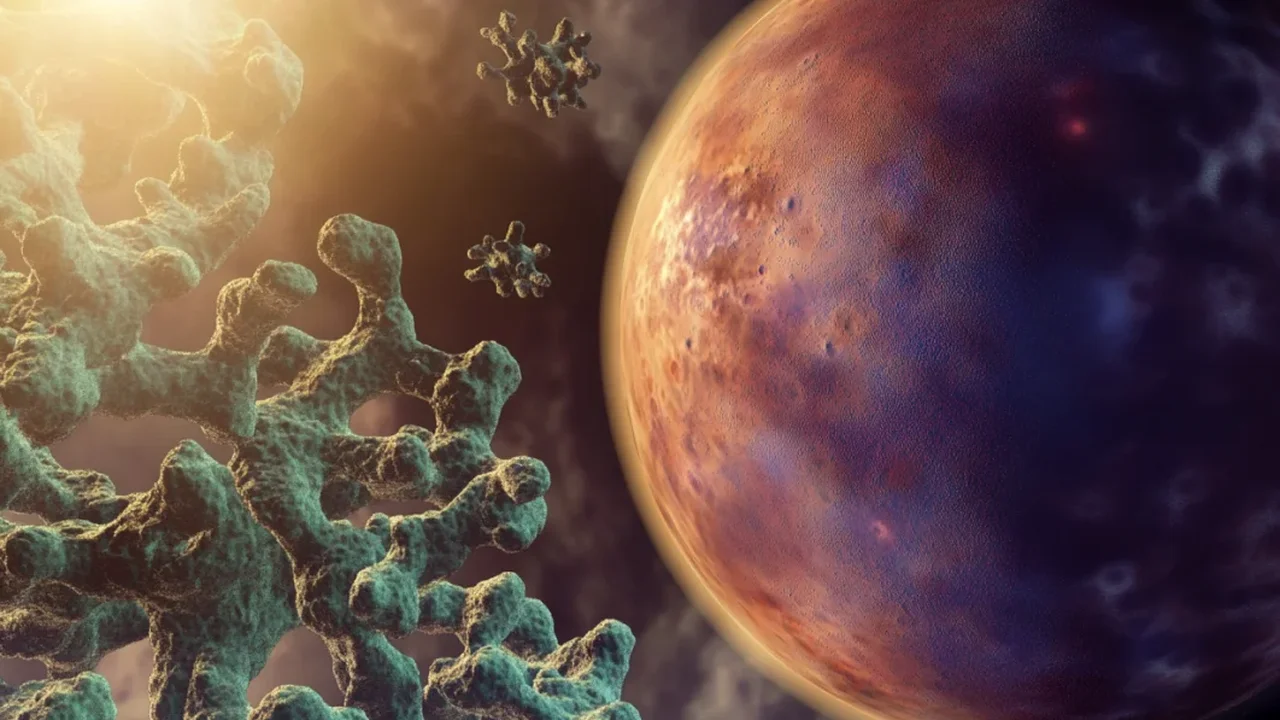
A remarkable bacterium, Deinococcus radiodurans, is offering scientists a new perspective on protecting living cells from intense radiation. Often called "Conan the Bacterium," this extremophile can tolerate radiation levels far beyond those manageable for humans.
Researchers at Northwestern University and the Uniformed Services University have examined a synthetic antioxidant inspired by the microbe's defenses. Known as MDP, the compound combines manganese ions, phosphate and a laboratory-designed peptide.
Three Components, One Protective Structure
Individually, the three ingredients provide limited support. Together, however, they form a molecular complex that can help neutralize reactive oxygen species--highly active molecules produced when cells encounter radiation.
The research shifts attention beyond DNA alone. Radiation can also disrupt the proteins responsible for cell repair, metabolism and structural stability. By preserving these proteins, manganese-based antioxidant systems may help cells maintain their essential functions under extreme conditions.
A Model for Future Space Health
D. radiodurans naturally stores manganese-rich antioxidants that protect its cellular machinery. Scientists are now exploring whether this biological strategy can inform practical radioprotective approaches for people working in high-radiation environments.
For long-duration missions, including future journeys to Mars, such protection could complement spacecraft shielding and mission planning. The concept may also support research into new protective tools for specialized medical and industrial settings on Earth.
Recent experimental work has additionally explored bacterial particles and natural compounds such as deinoxanthin, a pigment produced by the microbe. These early findings expand interest in how resilient organisms can inspire next-generation biotechnology.
MDP and related approaches remain at a research stage, with further studies needed to establish their safety and effectiveness for human use. Still, this tiny organism demonstrates how nature's most adaptable life forms can guide ambitious solutions for exploration beyond Earth.
As space travel advances, lessons from radiation-resistant microbes could help shape smarter biological protection systems for the next era of human exploration.