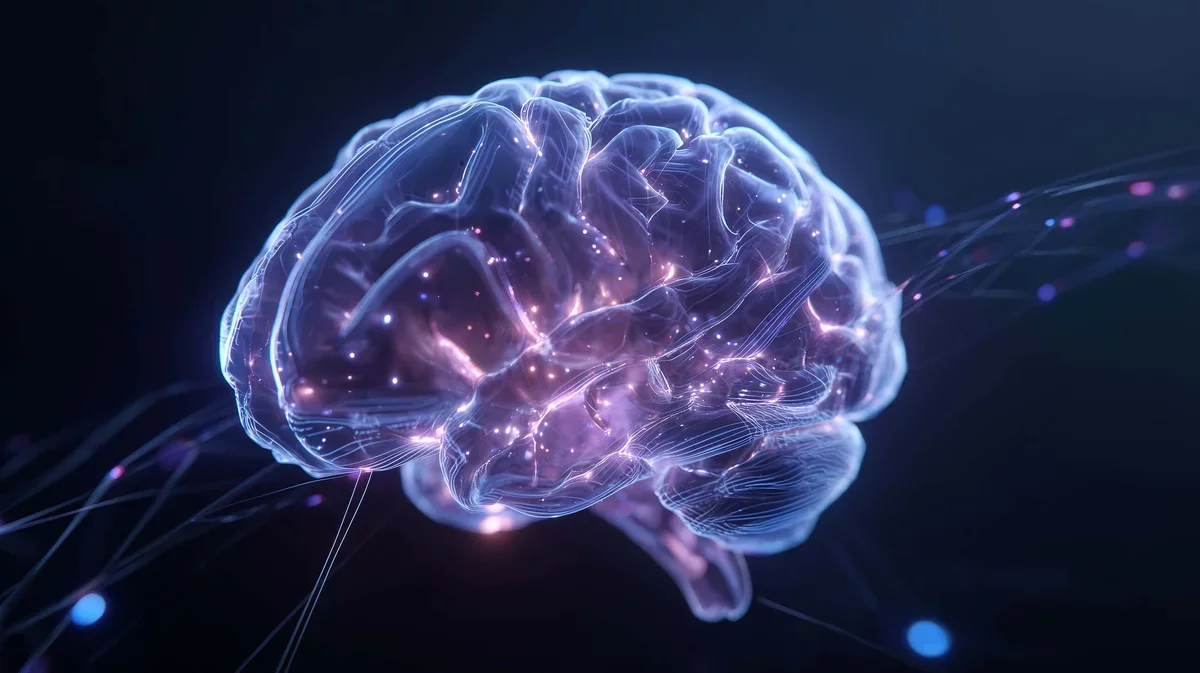
The human brain, an intricate marvel of efficiency, orchestrates everything from profound ideas to complex motor skills, all fueled by simple sustenance. While silicon chips can outperform humans in chess, they rely on millions of artificial neurons to execute tasks that a small cluster of biological neurons accomplishes with remarkable ease.
However, silicon's rigidity and high energy demands hinder its ability to replicate the fluid dynamics of biological systems. A groundbreaking team at Northwestern University has made significant strides in this area by successfully printing a network of artificial neurons.
Advancements in Neuronal Complexity
Traditionally, artificial neurons have been limited in functionality, often classified as "one-trick ponies." They can receive signals and respond, but lack the multifaceted behaviors seen in biological neurons. In contrast, the new artificial neurons developed by the team exhibit second and third-order complexities, mimicking the spontaneous rhythms and rapid spike patterns essential for various biological functions.
Professor Mark Hersam, a lead researcher, emphasizes the necessity for innovative materials to achieve such complexity. "Silicon relies on billions of identical components, which are fixed in nature. The brain, however, thrives on diversity and adaptability. To emulate this, we must explore new materials and electronic designs," he explains.
Utilizing 2D Materials
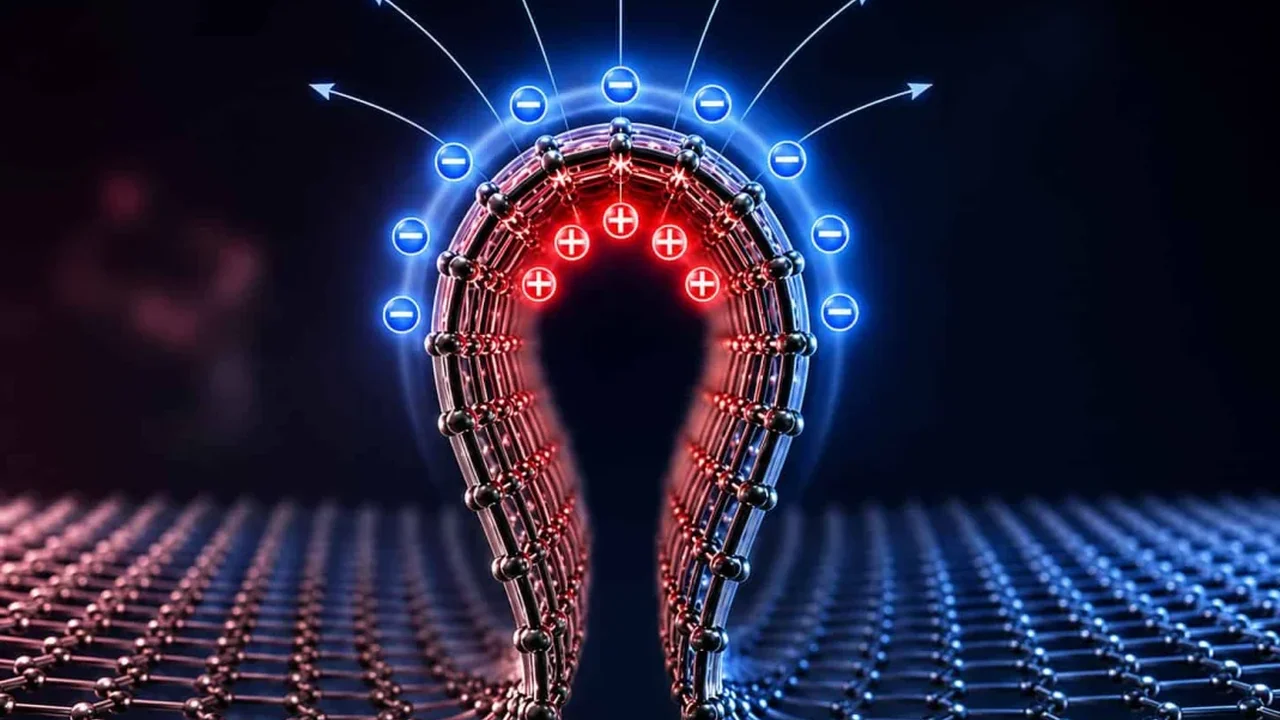
The research team capitalized on a novel material known as molybdenum disulfide (MoS2), a two-dimensional substance comprising a single layer of atoms. By integrating MoS2 flakes into a specialized ink and applying it onto flexible substrates, they crafted artificial neurons capable of interacting with live cells.
The pivotal innovation lies in the application of heat, which alters the behavior of the artificial neurons in a manner akin to biological processes. When tested alongside mouse neurons, the artificial counterparts demonstrated stability and effective communication, showcasing a significant advancement in neuromorphic technology.
Addressing the Memory Wall
This development also tackles a significant challenge in computer science known as the Memory Wall, where traditional computers expend considerable energy transferring data between processors and memory. By integrating memory and processing capabilities within the same system, the newly developed technology promises enhanced efficiency.
Imagine the potential: this printable technology could lead to brain-like processors embedded in everyday items like medical bandages or smart clothing, effectively merging with the human nervous system. The researchers even crafted a retina-inspired circuit that adjusts its firing rate in response to light, mimicking the function of retinal cells.
Professor Hersam envisions a future where this technology could revolutionize artificial intelligence. "As AI continues to evolve, the demand for efficient hardware to manage vast datasets becomes crucial. Given that the human brain operates at a fraction of the energy cost compared to digital computers, it is logical to draw inspiration from its architecture for future computing solutions," he concludes.
Journal Reference: Shreyash S. Hadke et al. Printed MoS2 memristive nanosheet networks for spiking neurons with multi-order complexity. Nature Nanotechnology, 2026; DOI: 10.1038/s41565-026-02149-6