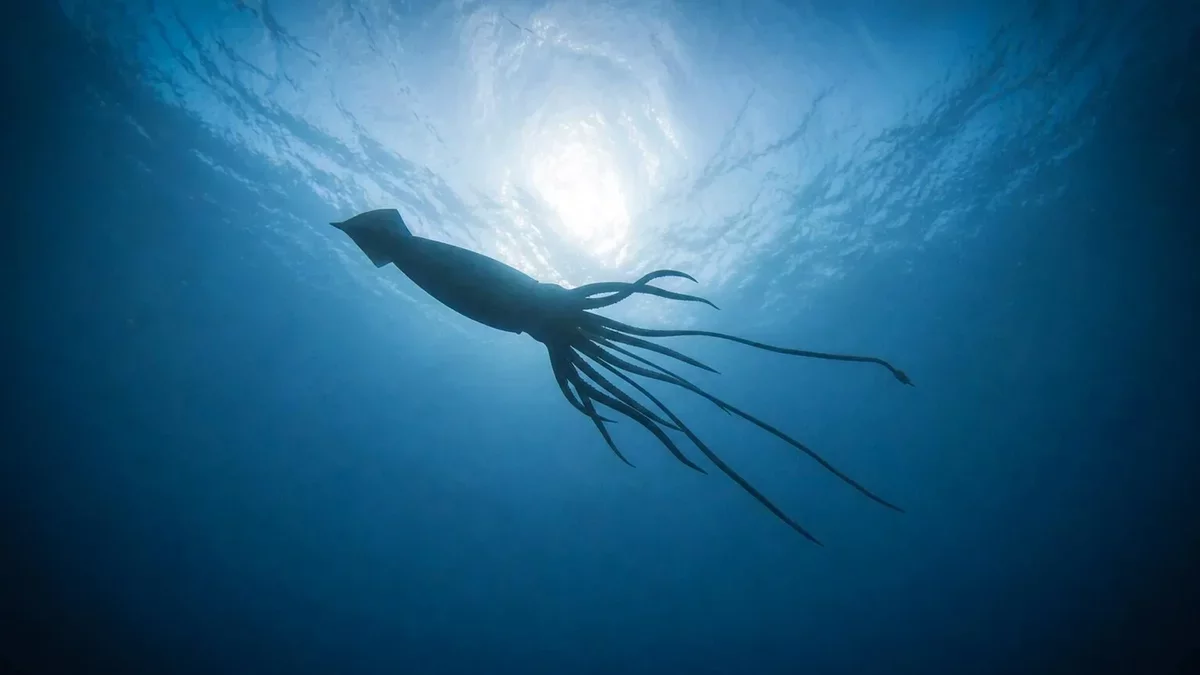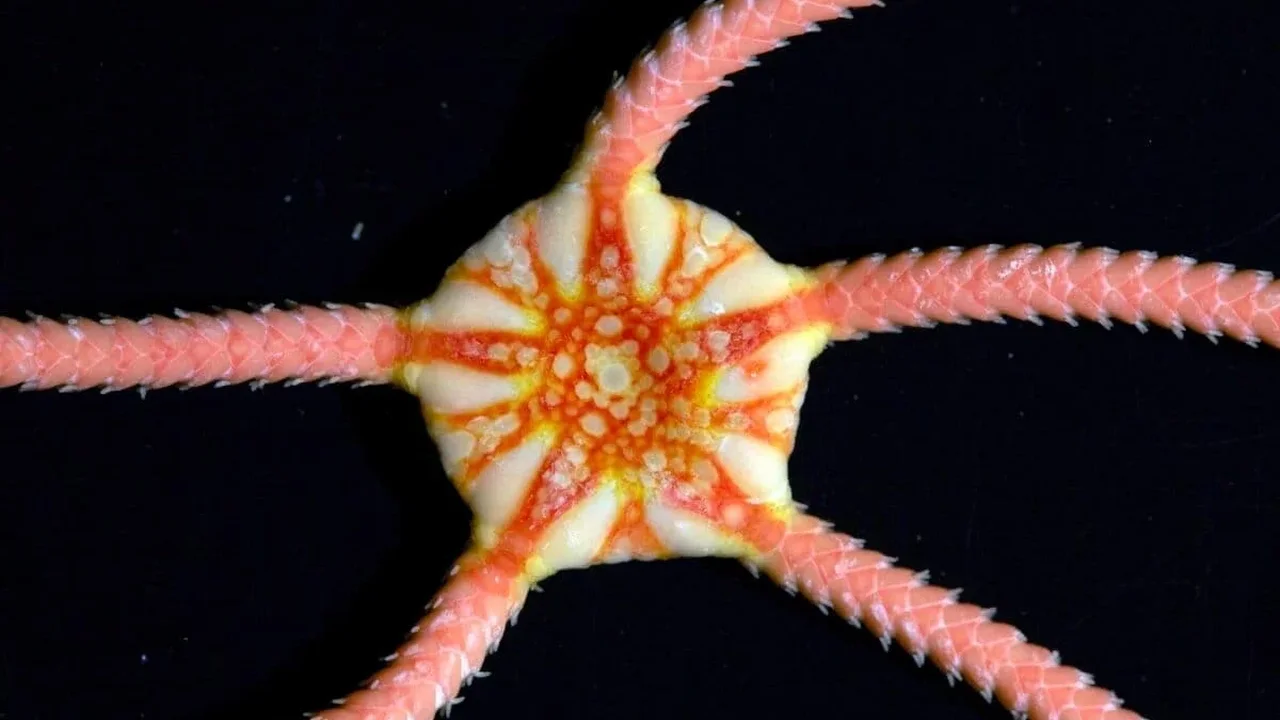
An international research expedition in the Indian Ocean has uncovered 149 species new to science, adding a major chapter to what is known about life in the deep sea. The survey focused on remote seamounts near Christmas and Cocos islands, where volcanic underwater mountains rise from the seafloor and create rich habitats for marine life.
Using deep-towed cameras, trawls, and environmental DNA sampling, the team explored depths from 94 to 5,431 meters and documented 1,059 species in total. Among the newly identified organisms were a sea cucumber from the genus Oneirophanta, a fish in the greeneye family, and a parasitic barnacle from the genus Rhizolepas. Researchers also noted that species communities changed steadily with depth.
The expedition, led by scientists including Tim O'Hara of Museums Victoria and supported by the Commonwealth Scientific and Industrial Research Organisation, also mapped 22 seamounts that had never been studied in detail. One newly identified caldera was nicknamed the Eye of Sauron because of its shape. The work was made possible by the RV Investigator, a vessel built for deep-ocean science.
One of the standout discoveries came from the Cocos Abyssal Plain, where the team recovered about 1,000 shark teeth spanning more than 22 million years of evolution. The collection included teeth from great white, mako, tiger, and prehistoric Megalodon sharks. The site, dubbed the Shark Graveyard, also contained manganese nodules, mineral-rich formations linked to future clean-energy materials.
Researchers say the findings show how much remains to be learned from the deep ocean, especially as new expeditions expand mapping and biodiversity studies across the Indian Ocean and beyond. The next decade could turn these hidden ecosystems into a key frontier for marine discovery and conservation planning.