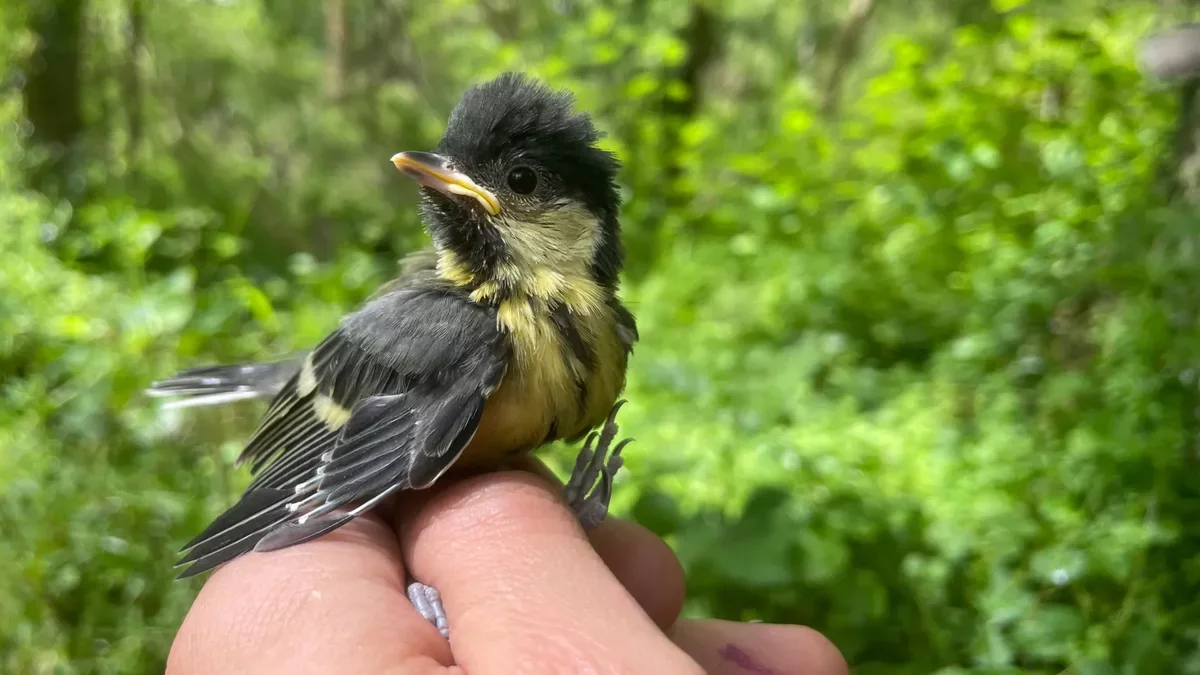
Groundbreaking research has emerged from a comprehensive 60-year study on the great tit population in Oxford's Wytham Woods, encompassing over 80,000 individual birds. By integrating detailed weather records with biological data, scientists have identified how extreme weather conditions affect these birds during critical developmental phases.
Challenging Weather for Nestlings
The analysis indicates that severe cold in the initial week post-hatching poses significant risks to nestlings. As the chicks mature, heavy rainfall becomes a more pressing concern. Both weather extremes can diminish fledging mass by as much as 3%.
When intense heat coincides with heavy rain, the consequences become even more pronounced, with fledging mass potentially plummeting by up to 27%, especially for those broods that hatch later in the breeding season.
Lead researcher Devi Satarkar from the Department of Biology at the University of Oxford notes, "In the Wytham population, great tits have adapted to warmer springs by nesting earlier to align with the peak availability of their primary food source, caterpillars. While this adaptation helps mitigate some extreme weather impacts, it also exposes them to early-season cold spells. Even minor early-life deficits can have significant implications for survival, especially as climate change amplifies the frequency and intensity of extreme weather events."
Understanding the Effects of Cold and Rain
Newly hatched chicks struggle to maintain body temperature due to their lack of feathers. During cold spells, they expend much of their energy on thermoregulation rather than growth. Additionally, adverse weather conditions can limit parental foraging efforts, reducing food availability. Heavy rain can dislodge caterpillars from plants, further impacting the essential food supply for growing chicks.
Surprising Benefits of Mild Heat
Interestingly, researchers found that moderate warm extremes can lead to heavier fledging weights. While high temperatures often correlate with heat stress, the warmer conditions in Oxfordshire appear to enhance growth by increasing insect activity, making food more accessible.
Devi explains, "The relatively mild heat extremes in Oxfordshire may boost growth by facilitating greater insect visibility, enabling parents to forage more effectively while reducing the thermoregulatory burden on nestlings. This is in stark contrast to hotter regions, such as the Mediterranean, where extreme temperatures can exceed 35°C and adversely affect nestling health."
Early Breeding as a Coping Mechanism
Broods that hatch earlier in spring are generally more resilient during warm spells when caterpillar availability is high. In contrast, later hatching broods face harsher conditions, resulting in fledglings that are approximately one-third lighter, even under similar temperature conditions.
Over extended periods, extreme cold and rainfall slightly decrease the likelihood of young birds surviving to adulthood, whereas warm extremes can yield minor positive effects. Overall, earlier breeding appears to provide a buffer against the negative impacts of unpredictable weather.
Future Implications for Wildlife Conservation
As climate change continues to exacerbate weather extremes, understanding these dynamics becomes crucial for wildlife conservation. Researchers emphasize the need to monitor microclimates and habitat variations, which can inform conservation strategies such as nestbox placements and woodland management. Continued observation of the great tit population will be essential to assess how these weather effects evolve over time, particularly regarding the potential for moderate heatwaves to become detrimental as temperatures rise.