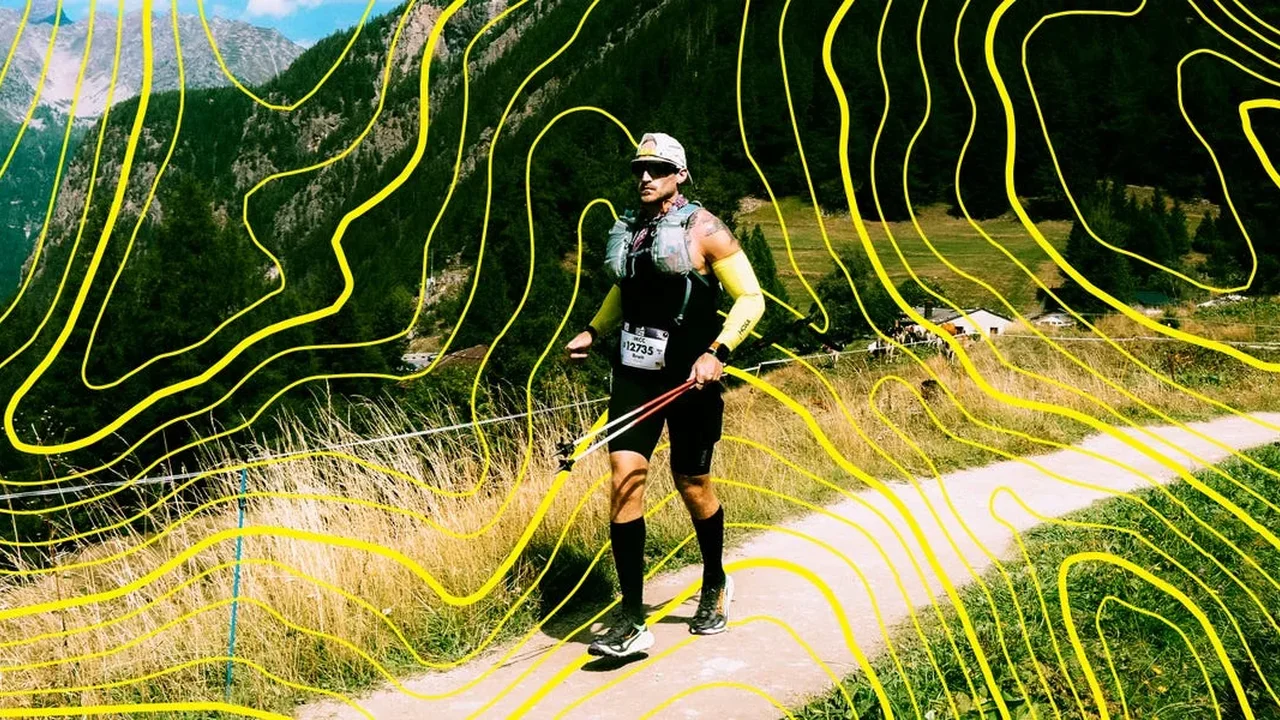
After years of measuring every run against pace targets and personal records, a 40-kilometer race in the Alps offered one runner a different way forward: concentrate on the terrain, manage effort and keep moving.
The race, part of the Ultra-Trail du Mont-Blanc (UTMB) event series, covered a demanding route from Martigny-Combe to Chamonix, with about 2,350 meters of elevation gain. The runner had previously focused mainly on road and track events, where frequent watch checks and comparisons with past performances had become routine.
Training for the course, not the clock
Preparing for the mountain route meant changing the usual approach. Rather than centering every workout on faster mile splits, the runner planned routes, practiced climbing and made room for breaks and fueling. Stair sessions with a weighted vest helped build strength for the long ascents, while trail-running coaches emphasized effort and adaptability over pace.
The race demanded attention to rocks, roots, steep climbs and energy levels. Walking uphill and using trekking poles became part of the strategy. With the terrain constantly changing, maintaining a set speed was less useful than responding to conditions and solving problems as they arose.
That shift also changed the mental experience. The runner's focus moved from tracking numbers to navigating the path and taking in the surrounding landscape. Finishing, rather than meeting a time goal, became the central measure of success.
The experience suggests that changing the environment and redefining progress can help make exercise feel more engaging. As outdoor sports continue to attract people seeking both movement and a stronger connection with nature, flexible, experience-led goals may shape a more sustainable approach to training.