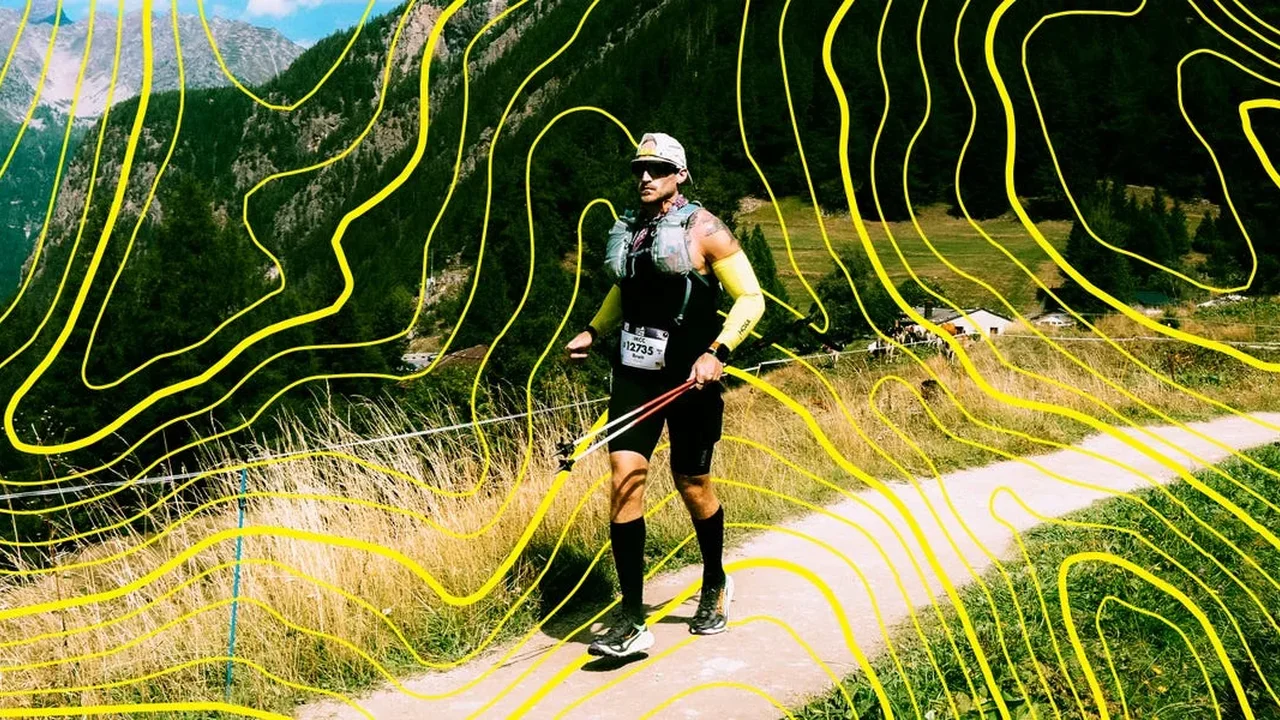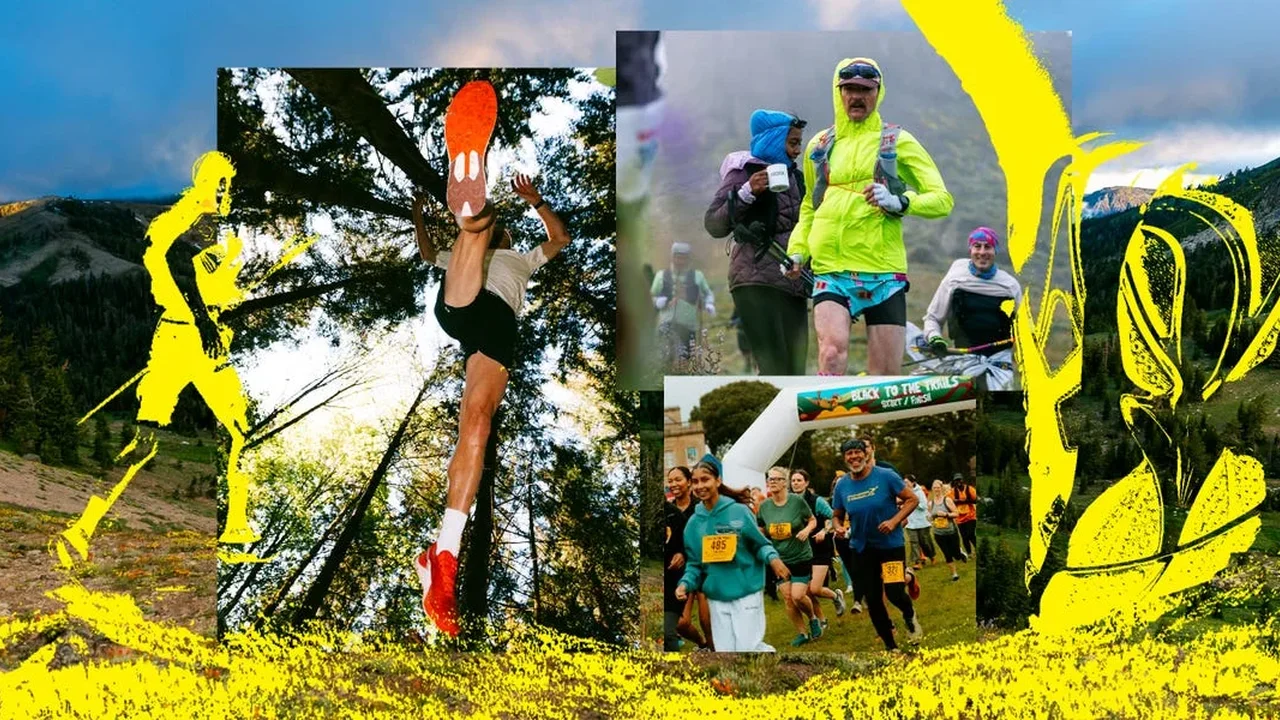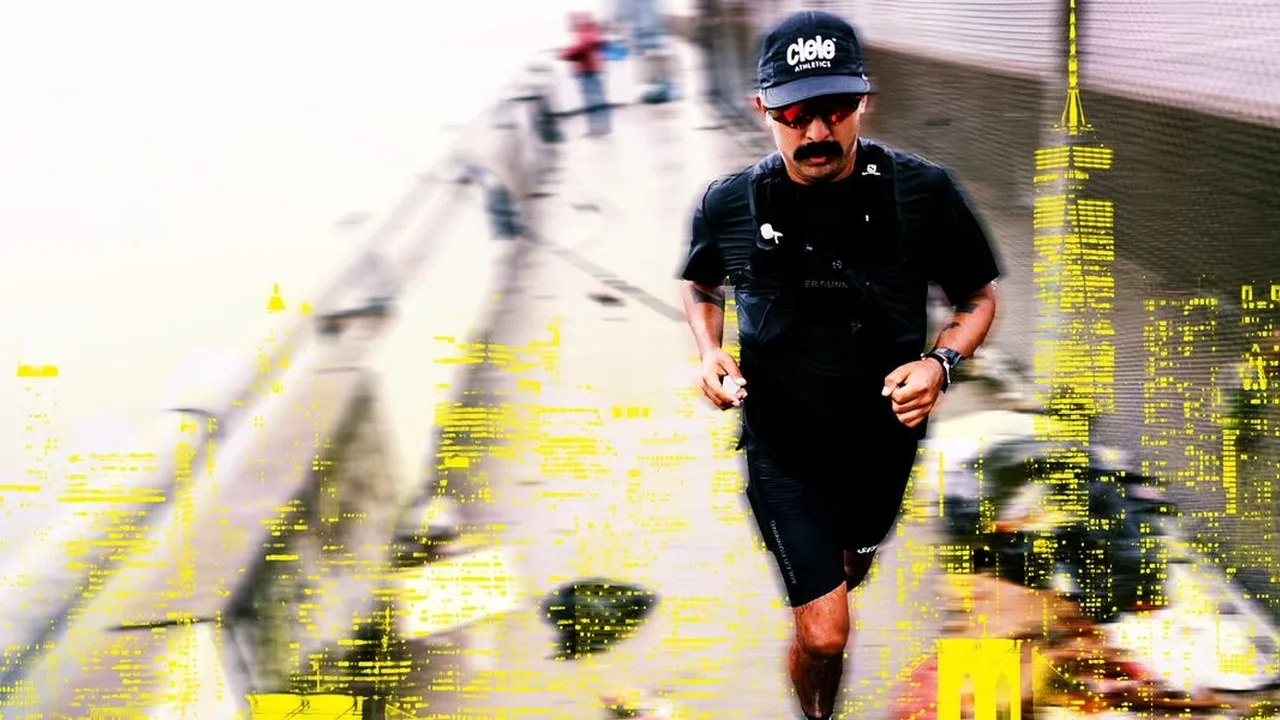
Living far from mountain paths does not have to put trail-race goals out of reach. With a thoughtful plan, city streets, bridges, parks and treadmills can help runners build the endurance and strength they need for off-road events.
Choose a race that fits your experience
Trail courses differ widely in distance, elevation and terrain. Beginners training in urban environments may want to start with a less technical course and moderate climbing. Check the race profile before choosing a training plan: steep ascents and uneven ground call for preparation beyond simply logging miles.
Build strength and climbing ability
Trail running involves varied foot placement, climbs and descents, so include strength work alongside regular runs. Squats, step-ups and Romanian deadlifts can develop lower-body strength, while core exercises and calf raises support balance and stability. Hopping drills may also help prepare the body for changing terrain.
Use the elevation available nearby. Bridges and park slopes can add climbing to a route; on a treadmill, incline walks or intervals can simulate sustained uphill effort. A weighted pack may help recreate race-day conditions, provided the added load is appropriate for your training.
Train for variety and self-sufficiency
Vary routes through different neighborhoods rather than relying on one familiar loop. This can help runners adapt to changing surroundings and practise staying focused over long efforts. Mix steady runs with hill repeats and downhill work, and carry the food, water and extra layers you expect to use during the race.
Run by effort, not just pace
Trail speeds are shaped by surface and elevation, so road-race pace targets may not translate. Use perceived effort to guide training, and practise alternating running with hiking on climbs. These breaks can also create natural opportunities to eat and drink during longer events.
With adaptable training, city runners can build the fitness and confidence to take on trails. As urban training becomes more creative, access to outdoor endurance challenges may depend less on where a runner lives.