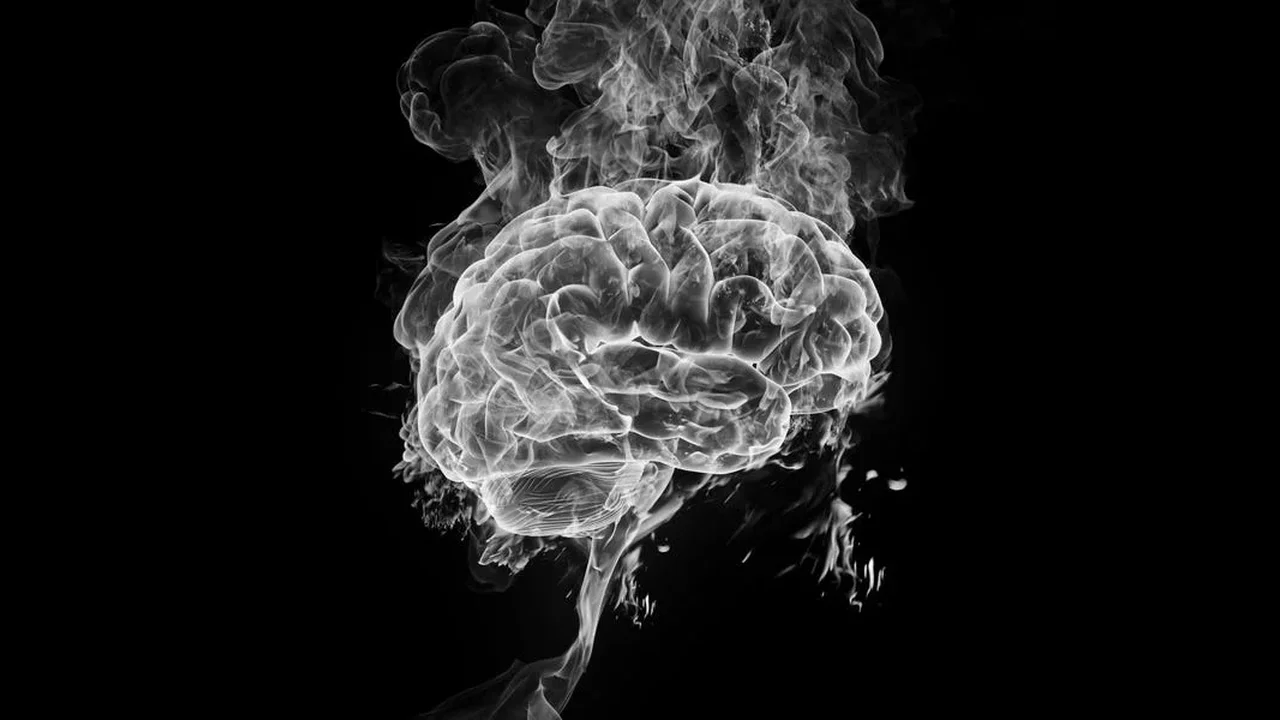
THC, the main intoxicating compound in cannabis, can affect several brain systems at once. Its impact varies, but research into these interactions helps explain changes in memory, mood, coordination and perception.
Memory and emotion
In the hippocampus, THC can disrupt the signals involved in forming and recalling memories. This may make it harder to keep track of a conversation or remember where an item was placed. THC also acts on receptors in the amygdala, which plays a role in emotional responses. Some people feel more relaxed, while others may experience anxiety or unease.
Movement and decision-making
The cerebellum supports balance, motor skills and the perception of time. THC's effects in this region can influence coordination and make time feel slower. In the prefrontal cortex, which helps manage judgment, problem-solving and attention, THC may make multitasking and measured decision-making more difficult.
Reward, creativity and pain
THC can stimulate dopamine release in the nucleus accumbens, a brain area involved in reward. With frequent, heavy use, the brain's response to dopamine may change, and reward pathways may be affected. THC may also influence brain networks involved in imagination and self-monitoring, as well as regions that help process pain.
As scientists learn more about how THC interacts with distinct brain circuits, future research may help clarify both its potential effects and its risks.