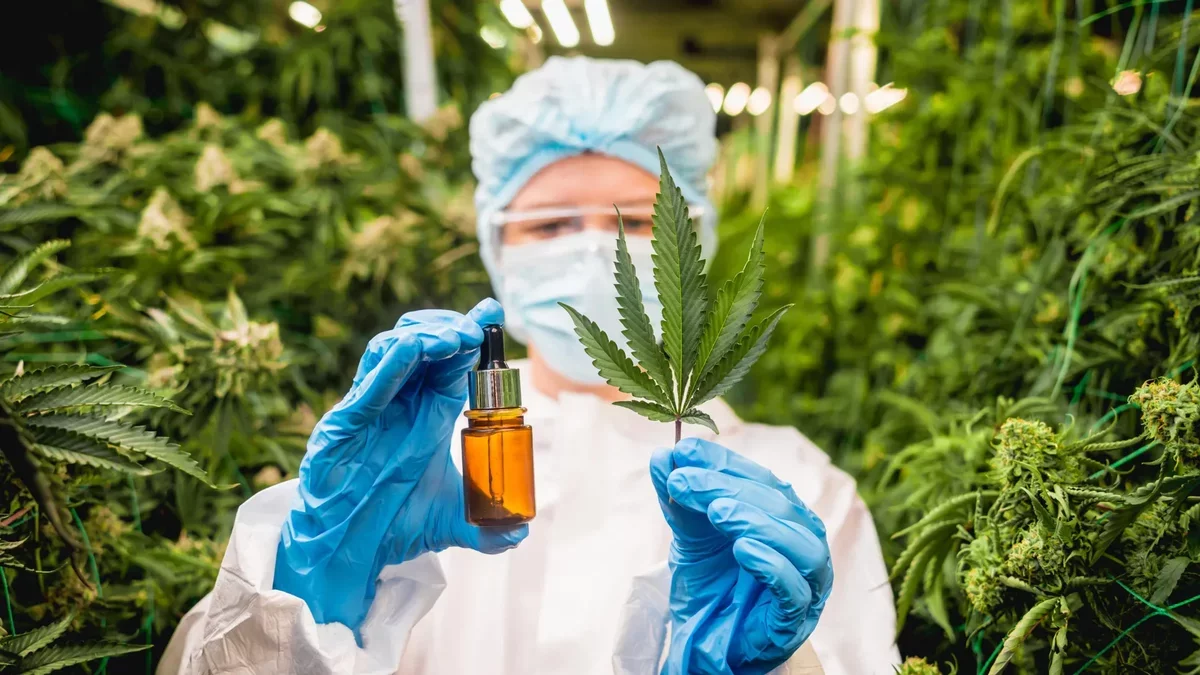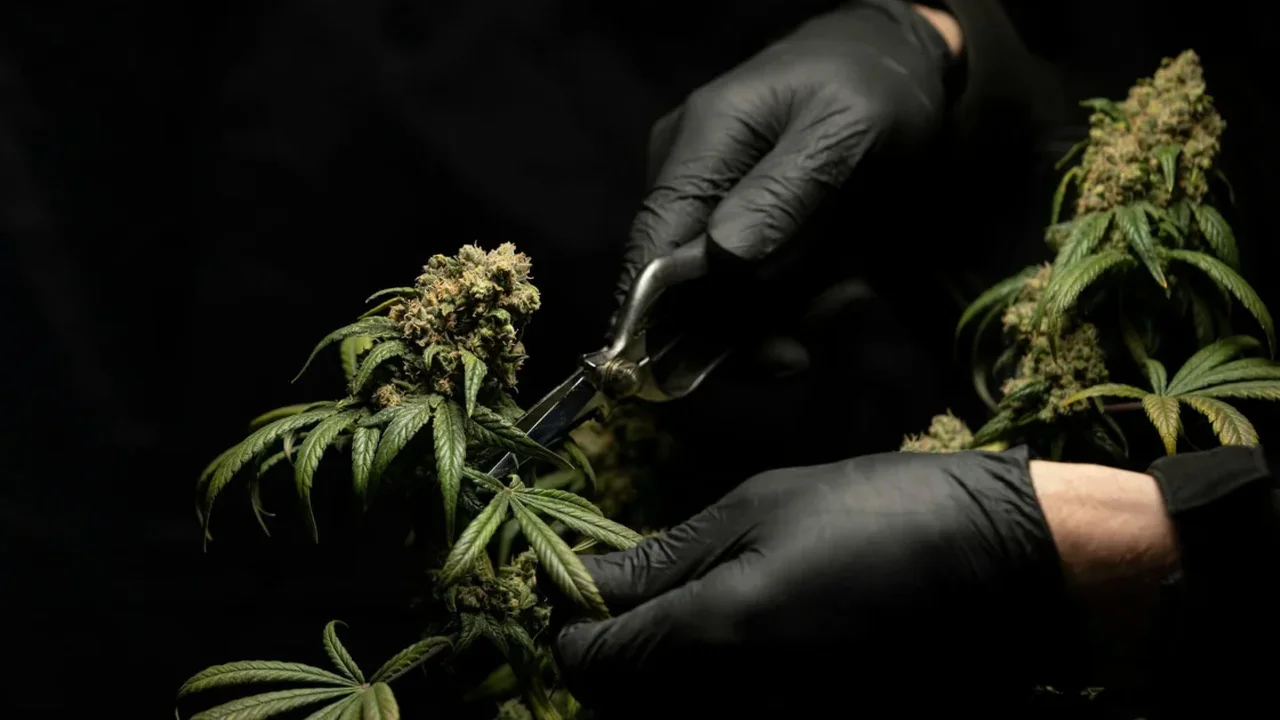
Cannabis did not arrive at its modern chemistry in a single leap. New research from Wageningen University & Research suggests the plant reached THC, CBD and CBC through a long process of biochemical trial, gene copying and gradual specialization.
From a Generalist Enzyme to Specialized Cannabinoids
By reconstructing ancient enzymes and testing them in yeast, scientists traced how early cannabis proteins behaved before the plant's cannabinoid system became highly refined. The oldest cannabis-specific enzyme was not selective. Instead of producing one dominant compound, it converted the precursor CBGA into several cannabinoid acids at once, including THCA, CBDA and CBCA.
As evolution continued, gene duplications created new enzyme copies with narrower roles. Over time, some versions became strongly associated with THC production, while others shifted toward CBD. This pattern reflects a familiar evolutionary strategy: broad chemical flexibility first, then precision later.
Ancient Biology, Modern Potential
The study used ancestral sequence reconstruction, a method that infers the structure of long-vanished proteins from modern DNA. Researchers compared cannabis genes with those of close relatives such as hops, then rebuilt the likely ancient forms and observed how they worked in the lab.
One notable finding was that these ancestral enzymes were often more robust and easier to express than their modern descendants. That makes them attractive for biotechnology, especially in microbial systems designed to produce cannabinoids more consistently than plant cultivation can.
The work also brings rare compounds like CBC into sharper focus. Because CBC appears in small amounts in most cannabis plants, the study suggests that reintroducing or redesigning certain enzyme forms could help create new medicinal varieties or improve microbial production platforms.
Published in the Plant Biotechnology Journal, the research turns cannabinoid evolution into something measurable rather than speculative. It shows how a plant's deep molecular history can guide future innovation in science, medicine and sustainable bioengineering. In the years ahead, these insights could help shape more precise and scalable cannabinoid technologies.