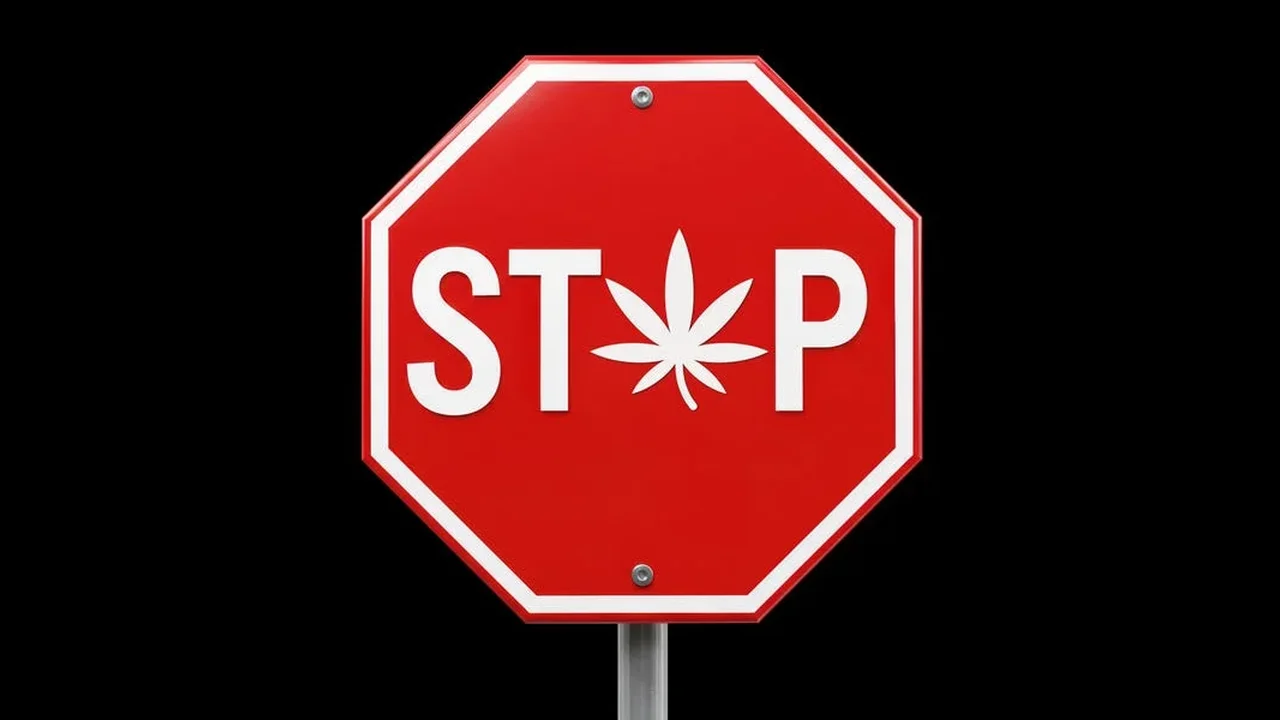
A person may feel capable of driving after using cannabis, but that feeling may not match their performance behind the wheel. A laboratory study led by Michael Stevens of the Olin Neuropsychiatry Research Center used a driving simulator to examine how THC affects driving skills over time.
Researchers tracked 19 performance measures and monitored brain activity. Six measures showed significant impairment after cannabis use. Participants sometimes followed other cars too closely or struggled to make small steering adjustments to stay centered in their lane. Some also drove unusually slowly, which can affect traffic flow.
Higher-potency cannabis was generally associated with poorer performance, but THC levels alone did not reliably indicate who was impaired or how long impairment would last. Responses varied: some participants improved gradually, while others' performance worsened before recovering. Many said they would be willing to drive despite still feeling high and showing measurable impairment.
Why timing is difficult to judge
THC concentration is not a straightforward measure of driving ability, and researchers have not established a universal threshold that can reliably determine when someone is safe to drive. The study's findings underline the gap between perceived and measured performance.
Stevens advises taking a cautious approach after cannabis use: do not drive if there is uncertainty about impairment. A ride from someone else or waiting in a safe place can help reduce risk.
Further research may help clarify how cannabis affects driving over time and support more reliable ways to assess impairment. Until then, personal confidence is no substitute for a safe plan.