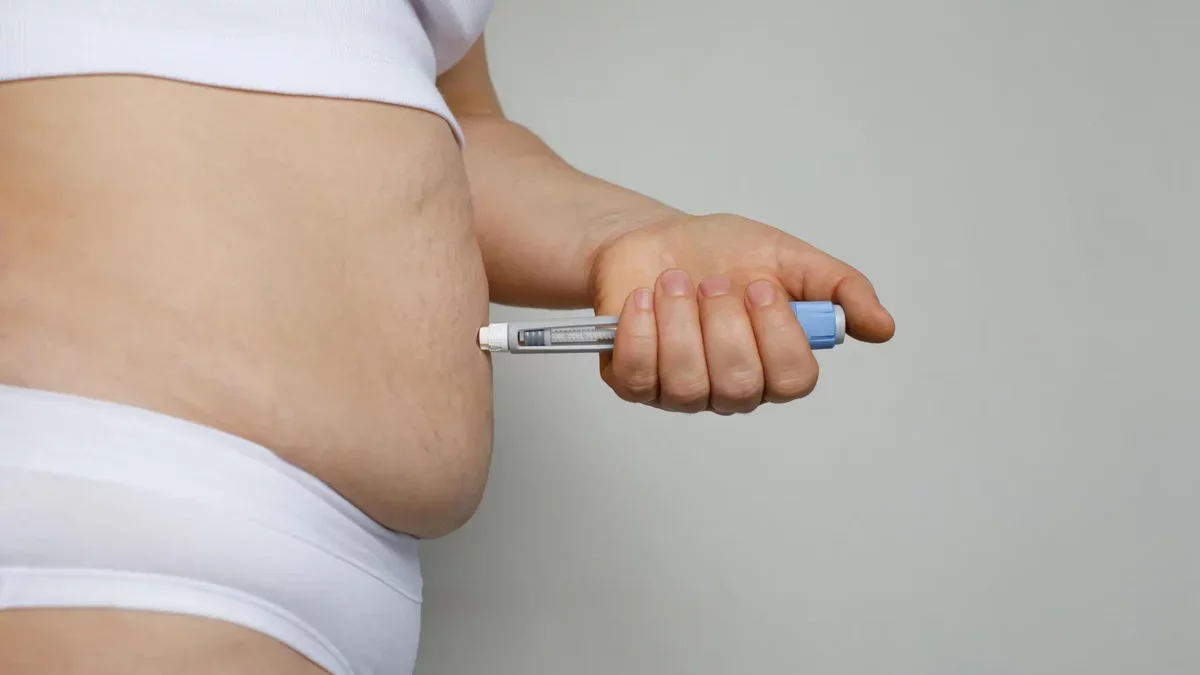
GLP-1 medicines, including treatments containing semaglutide, have reshaped how many people experience hunger, fullness and food-related thoughts. A new question is emerging in everyday wellness conversations: do these medicines change the familiar appetite boost associated with cannabis?
Two systems, different signals
GLP-1 treatments mimic a gut hormone that helps slow stomach emptying and supports earlier feelings of fullness. They may also reduce persistent thoughts about food by influencing reward and appetite pathways in the brain.
THC, cannabis's primary intoxicating compound, works differently. It activates CB1 receptors linked to reward, motivation, smell and eating behavior. As a result, food can seem more appealing after cannabis use even when the body does not have a strong physical need for energy.
Current evidence does not show that GLP-1 medicines block THC's effects or fundamentally alter how cannabis is processed in the body. However, people using GLP-1 therapies may find that a passing urge to snack does not always translate into eating as much as they otherwise would.
Habits remain part of the equation
The intensity of cannabis-related cravings can vary with dose, product potency, individual tolerance, pre-existing hunger and daily routines. Stress, boredom and learned associations--such as routinely pairing cannabis with late-night snacks--can also influence eating decisions.
This means a GLP-1 medicine may affect one part of the experience, particularly appetite and food reward, without removing behavioral cues. Someone may still notice a craving, yet feel better able to pause and decide whether eating is actually desired.
Early observational research has explored possible links between GLP-1 treatments and broader reward-related behaviors, but robust clinical trials have not established whether these medications consistently change cannabis use or cannabis-triggered eating patterns.
For people combining prescribed GLP-1 treatment with cannabis, individual responses can differ. Discussing appetite changes, digestive symptoms and medication questions with a qualified healthcare professional can help support informed choices.
As research into the gut-brain connection advances, it could offer more personalized ways to understand appetite, habits and wellbeing.