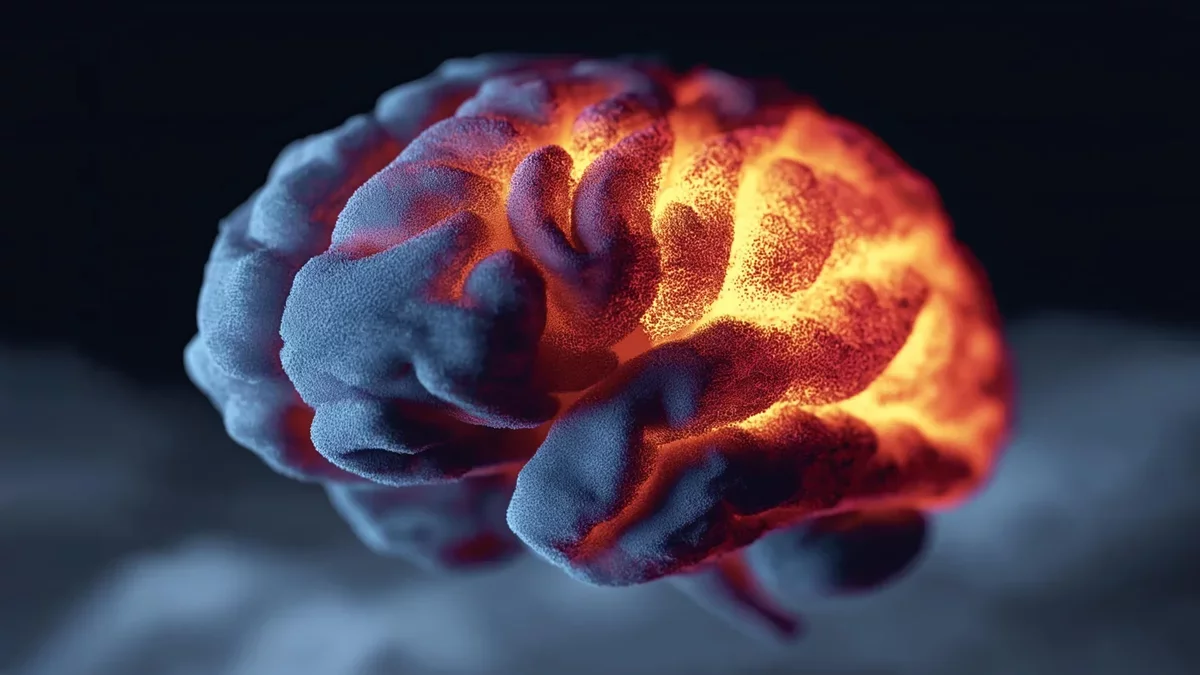
Recent research from Harvard Medical School has unveiled a significant connection between the gut bacterium Morganella morganii and major depressive disorder. This study clarifies the nature of the relationship, addressing whether the bacterium contributes to depression or if depression alters the microbiome.
Published in the Journal of the American Chemical Society, the findings highlight a biological mechanism that illustrates how M. morganii might influence brain health through inflammation. This research not only sheds light on the bacterium's role but also opens new avenues for diagnosing and treating depression.
According to senior author Jon Clardy, a professor at the Blavatnik Institute, "This study takes us closer to understanding the molecular mechanisms linking the gut microbiome to depression."
The researchers identified that an environmental contaminant, diethanolamine (DEA), can replace a sugar alcohol in a molecule produced by M. morganii. This alteration causes the molecule to behave differently, activating the immune system and leading to the release of inflammatory proteins known as cytokines, particularly interleukin-6 (IL-6).
This inflammatory response may explain the connection between M. morganii and depression, as chronic inflammation is a known factor in various diseases, including major depressive disorder. Past studies have already linked IL-6 to depressive symptoms and associated M. morganii with inflammatory conditions such as type 2 diabetes and inflammatory bowel disease (IBD).
Further investigation is essential to determine if this altered molecule directly causes depression and to what extent it influences various cases. The researchers propose that DEA could serve as a biomarker for identifying specific instances of major depressive disorder.
Clardy noted, "We were aware that micropollutants could be integrated into fatty molecules in the body, but we were surprised to discover how this process occurs and its subsequent effects." This revelation suggests that treatments targeting immune responses, such as immune-modulating drugs, may benefit certain patients.
The collaboration between Clardy's lab, which specializes in bacterial chemistry, and Ramnik Xavier's lab at Massachusetts General Hospital, which focuses on microbiome health, has been pivotal in advancing this research. Their joint efforts have deepened the understanding of how gut bacteria interact with immune functions and influence various diseases.
The study underscores the potential for a bacterial molecule to modify human immune responses through environmental contaminants. This insight could pave the way for future research into how other gut bacteria impact immunity and overall health.
As Clardy stated, "Now that we know what to look for, we can begin exploring other bacteria to see if they exhibit similar chemistry and discover additional ways metabolites can affect our health."