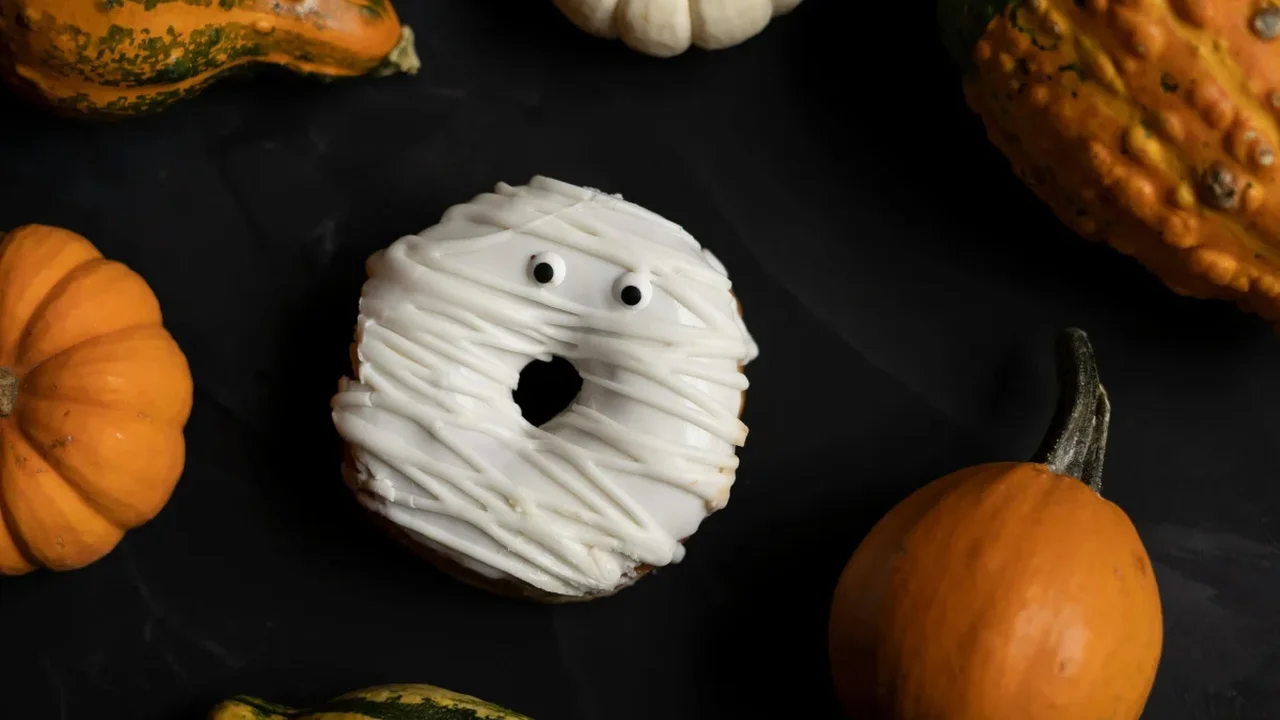
Halloween treats vary in what they offer the gut microbiome, the community of microorganisms that helps digest food and supports functions including metabolism and immune activity. A University of Washington gastroenterology researcher says the overall balance of a person's diet matters more than any single seasonal snack.
What different treats contain
Many sweets are high in sugar and low in fiber, which beneficial gut microbes use as nourishment. Some treats also contain saturated fat and additives. Eating large amounts of these foods may disrupt the microbial balance, while a varied diet provides nutrients that help support it.
Options with whole-food ingredients can offer more than sugar alone. Nuts and fruit provide fiber and plant compounds called polyphenols. Dark chocolate, particularly varieties with 80% to 85% cacao, is another source of polyphenols. Treats containing nuts may also supply fiber and protein. These choices still contain calories and sugar, so portion size remains important.
Chewy and hard candies, including gummies and lollipops, generally offer little fiber or other nutrients. The guidance is not to avoid Halloween treats altogether, but to enjoy them in moderation as part of an otherwise balanced eating pattern.
Everyday foods that support gut health
After a holiday indulgence, a varied menu can help nourish gut microbes. Useful food groups include fiber-rich whole grains, beans, vegetables, fruit, nuts and seeds; polyphenol-containing foods such as berries and green tea; sources of unsaturated fats, including avocados and walnuts; and fermented foods such as yogurt, kefir, kimchi and miso.
Understanding how different foods interact with the microbiome can help people make more informed everyday choices. As research advances, this knowledge may make personalized nutrition a more practical part of supporting long-term health.