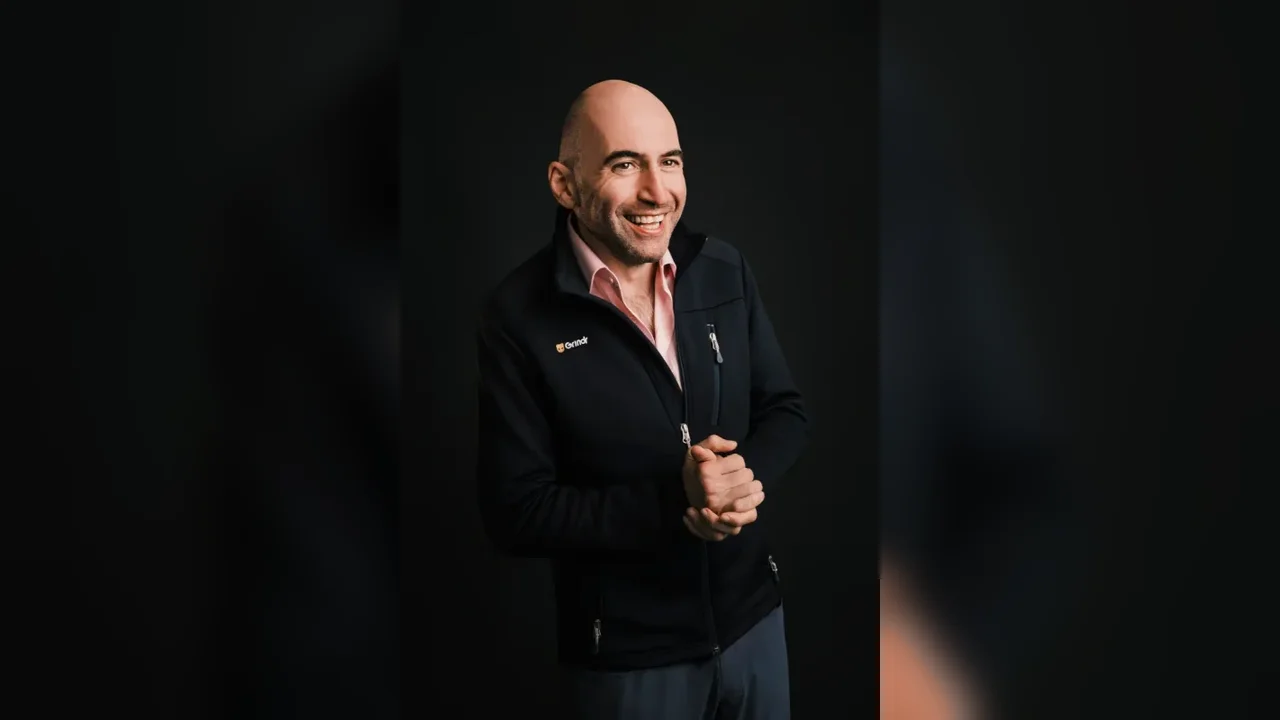
Grindr is entering a new phase under CEO George Arison, with a strategy that stretches beyond dating into a wider digital ecosystem for gay men. Since 2022, the company has sharpened its business model, lifted revenue, and improved profitability while keeping a lean operating structure.
Revenue is now projected to reach about $540 million this year, up from $195 million in 2022, while adjusted EBITDA margins remain above 40%. Much of that progress has come from stronger monetization of existing users: paying users reached 1.4 million in the second quarter, and average revenue per user has climbed significantly.
Arison's long-term vision is to make Grindr a kind of "gayborhood in your pocket," combining dating with services such as healthcare, travel, and community discovery. The company is already expanding into cash-pay health products, including ED medication, GLP-1s, and peptides, while also building tools that help users access HIV prevention information and, eventually, telehealth connections.
Another major step is EDGE, a premium tier being tested with AI-powered features designed to improve matching and personalization. Grindr says the system uses user behavior and intent, with consent, to create stronger recommendations than profile data alone. The company also reports that much of its engineering output is now AI-assisted, helping a relatively small team deliver work at a much larger scale.
Investors are watching closely as Grindr pushes into new categories and tests how far its subscription model can go. For Arison, the goal is clear: build a platform with multiple revenue streams, stronger user value, and a broader role in everyday life. If the plan succeeds, it could help define a new generation of community-first digital services.