Online dating platforms can hold a surprising amount of personal information, from profile details and location data to photos, preferences, and verification records. That is why simply uninstalling an app is not the same as removing your digital footprint.
Why deletion is not always complete
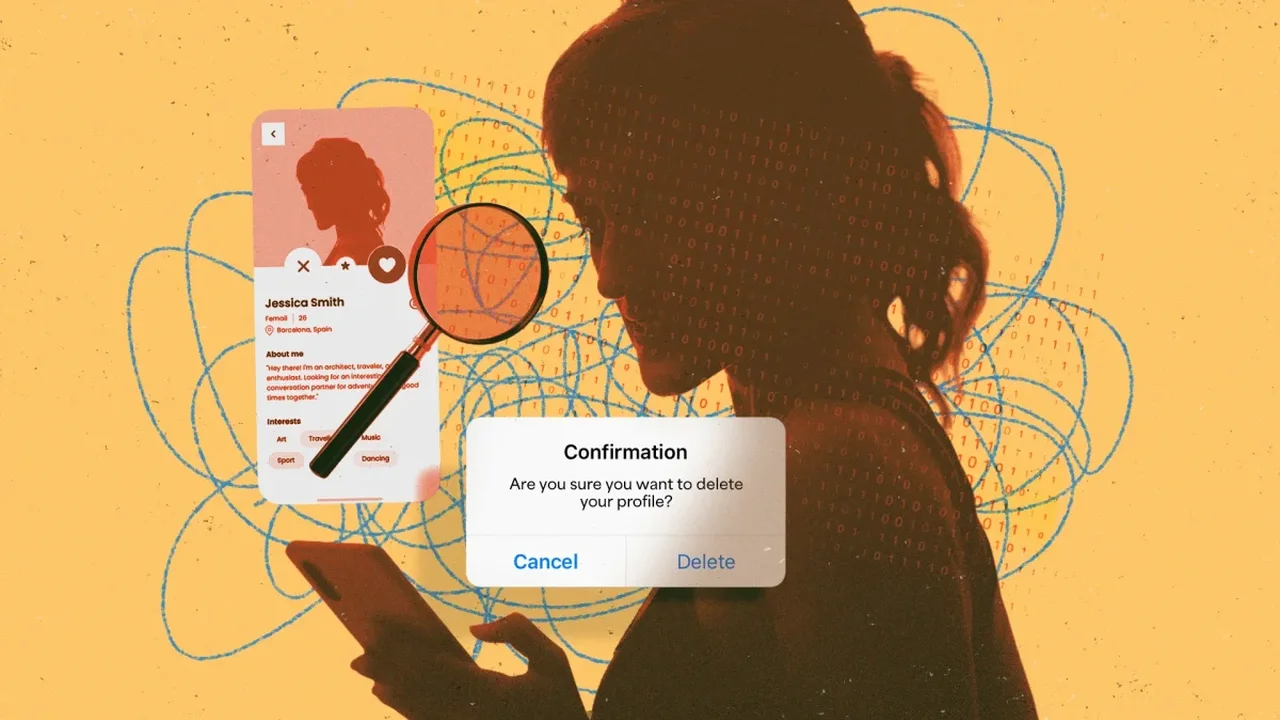
Most services separate three steps: hiding an account, deleting a profile, and erasing stored data. In many cases, a profile may disappear from public view while backups remain on company systems for weeks or months. Some records, such as payment logs or safety-related data, may also be retained for compliance reasons.
For users who want a deeper cleanup, a formal data erasure request is often the key step. Privacy frameworks such as the GDPR and CCPA strengthen this right, and many platforms will still process requests even outside those regions.
Platforms covered
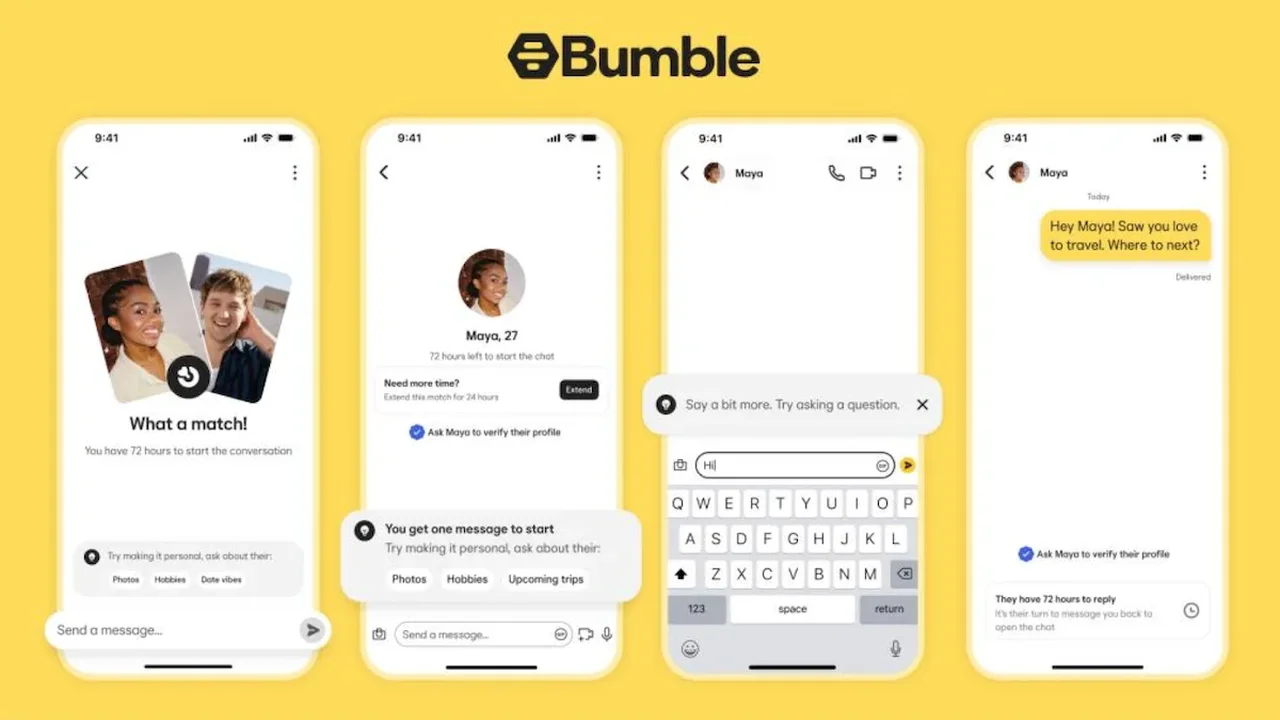
Guidance for full removal is available for several major services, including Tinder, Bumble, Hinge, OKCupid, and Facebook Dating. In each case, users typically need to delete the account first, then contact support to request permanent deletion of stored data.
Common steps include opening account settings, choosing the delete option, and then submitting a privacy request through the platform's support or help center. Bumble may keep backups for up to 28 days, while Match Group services such as Tinder, Hinge, and OKCupid also require a separate request for complete removal.
How to make a strong request
A clear message usually works best. Users should send the request from the registered email address, avoid sharing passwords or extra personal details, and ask for written confirmation once the deletion is complete. If a privacy law applies in your region, naming it can help speed up the process.
A simple template can be adapted for most services: state that you are requesting deletion of all personal data linked to your account, mention the applicable privacy right if relevant, and ask for confirmation after processing.
As digital privacy becomes a bigger part of everyday life, tools for controlling personal data may shape the next generation of online platforms.