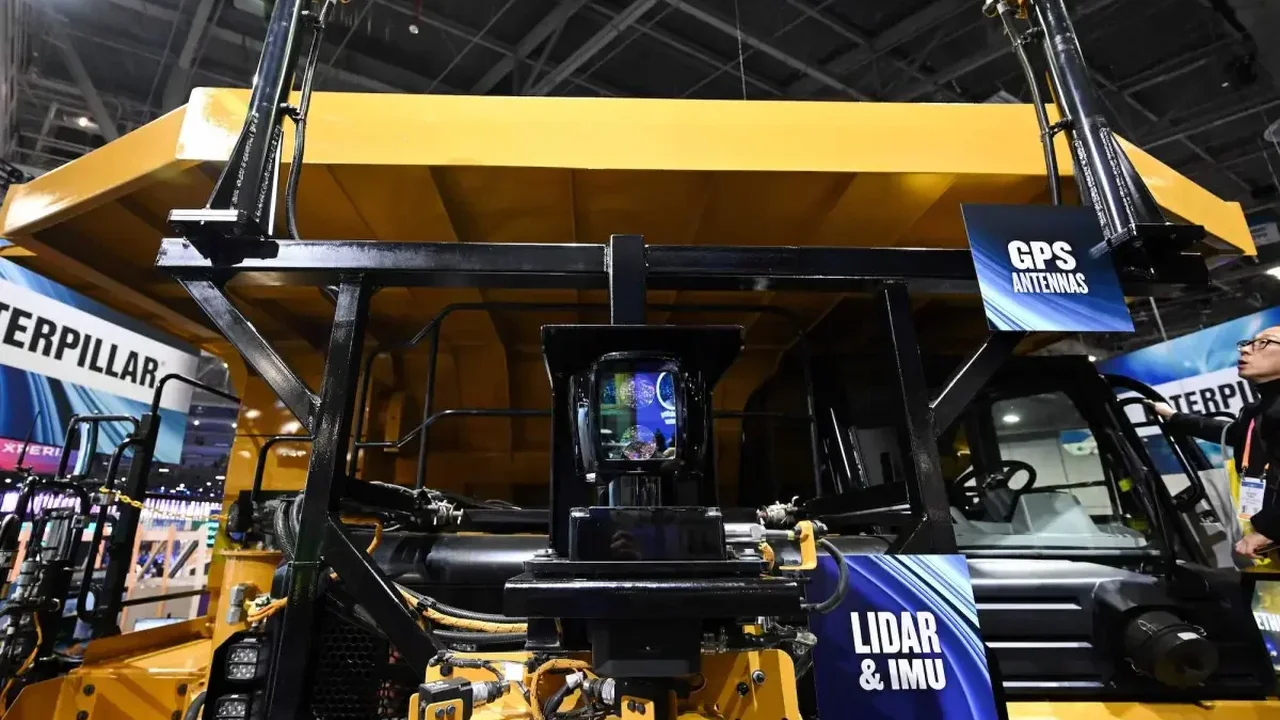
Caterpillar is extending its long experience in mining automation into a wider AI deployment strategy, bringing industrial intelligence into construction sites, quarries and other dynamic work environments.
The company began building autonomy tools in mining, where automation can improve efficiency in demanding conditions. Today, its portfolio includes automated haul trucks, drilling systems, underground loaders, dozers, remote-controlled machines, fleet management software and terrain intelligence tools.
According to CTO Jaime Mineart, that foundation is now helping Caterpillar adapt AI to more complex field operations. One example is the Cat AI Assistant, which allows technicians to use voice commands near a machine to access repair steps, diagnose issues and identify needed parts before service begins.
Caterpillar says the assistant is already being used by customers, operators and technicians. The system draws on the company's connected-machine data, which spans about 1.6 million connected assets worldwide and more than 16 petabytes of structured information.
The company is also applying AI to site scanning, digital twin creation in manufacturing and internal software development. Mineart said AI agents are helping modernize legacy code, generate and test new software, and detect defects earlier in the process.
Beyond the technology itself, Caterpillar is focusing on how people and machines work together. The company is training employees and experienced operators to support new workflows, including remote command-center models where one person can oversee multiple machines.
Caterpillar plans to invest $100 million over five years in AI, autonomy and robotics training for its 118,000-person workforce. The move comes as demand for data-center power-generation equipment continues to rise, reinforcing the company's role in the expanding AI infrastructure ecosystem. This shift may help define how industrial AI scales across the next generation of connected worksites.