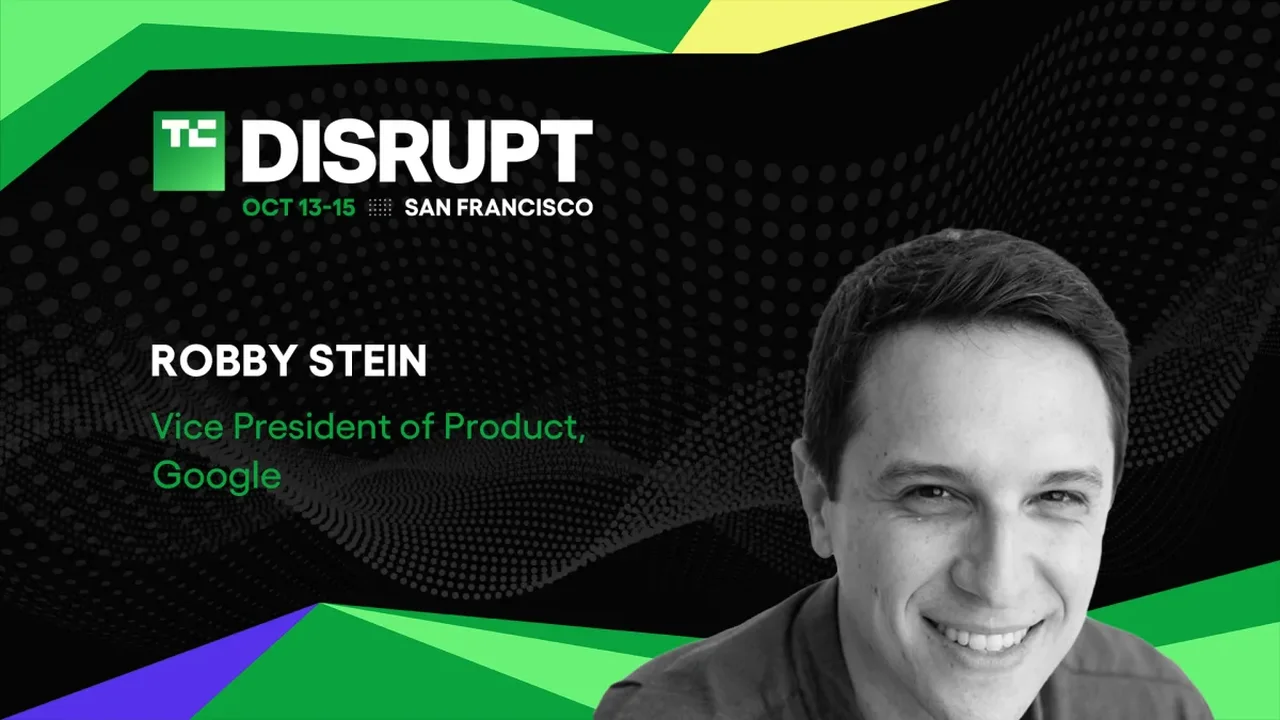
Designing a first product and evolving a platform used by billions require very different decision-making models. At TechCrunch Disrupt 2026, Google Search Vice President of Product Robby Stein will discuss how teams can preserve experimentation while strengthening reliability, trust and user experience at global scale.
From early product tests to global responsibility
The session, titled "From MVP to Billions of Users", will examine how product strategy changes as a service grows. For early-stage teams, speed and rapid feedback can shape the path forward. As audiences expand, every adjustment must also account for consistency, accessibility and the expectations of a diverse worldwide user base.
Stein's perspective spans both startup creation and large consumer platforms. He co-founded social recommendation startup Stamped, later acquired by Yahoo, and held product leadership roles at Instagram, contributing to the evolution of Stories, Feed, Direct Messaging and Reels. Before rejoining Google in 2024, he led product at the AI-driven news platform Artifact.
AI reshapes the search experience
At Google, Stein now works on generative AI experiences within Search. The company has been developing tools that support both quick answers and deeper exploration, including transitions from AI Overviews into follow-up conversations through AI Mode. Google said in May that AI Mode had exceeded 1 billion monthly users within a year of its introduction.
The discussion is expected to focus on a practical question for founders and product leaders: when should a team move quickly, and when does the scale of a product call for more deliberate testing and design? Rather than offering a single formula, the conversation will explore how organisations can adapt their building principles as their products mature.
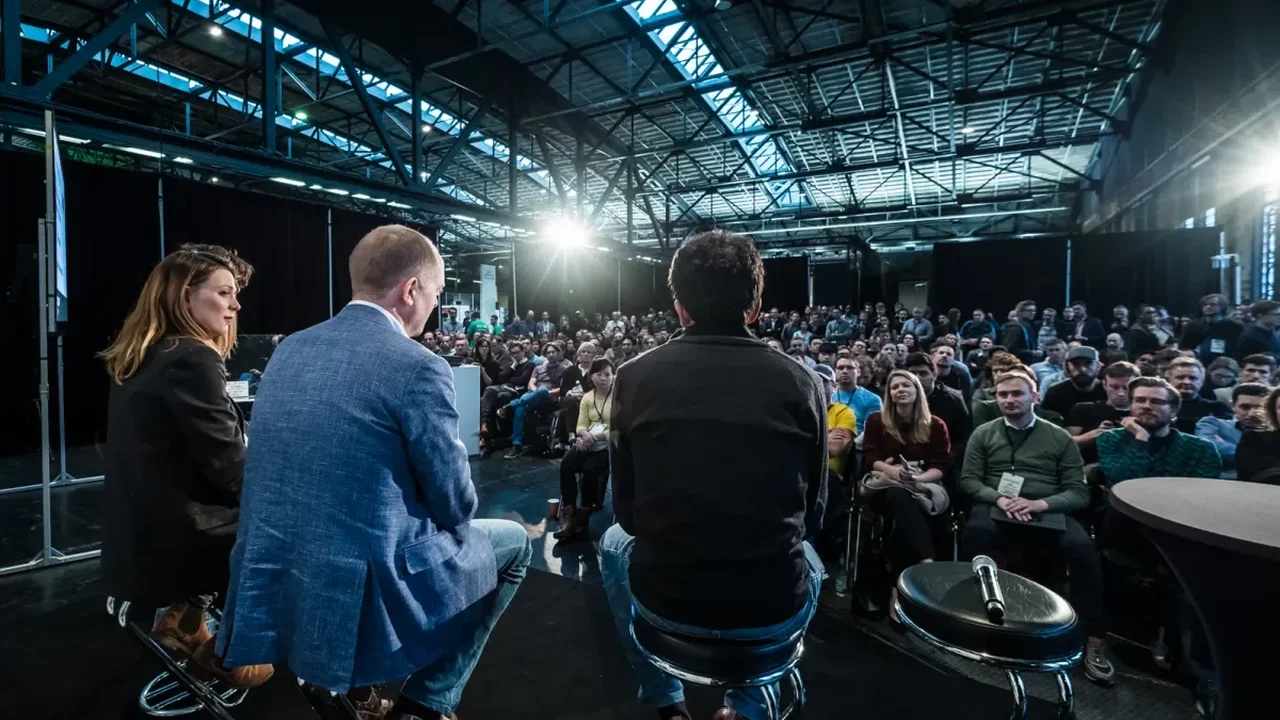
TechCrunch Disrupt 2026 will take place in San Francisco from October 13 to 15, bringing together startups, investors and technology leaders. Stein's session highlights a growing priority across the industry: making innovation feel useful, dependable and human at every stage of growth.
As AI becomes a standard layer of digital products, lessons from large-scale platforms may help more teams create technology that evolves responsibly alongside its communities.