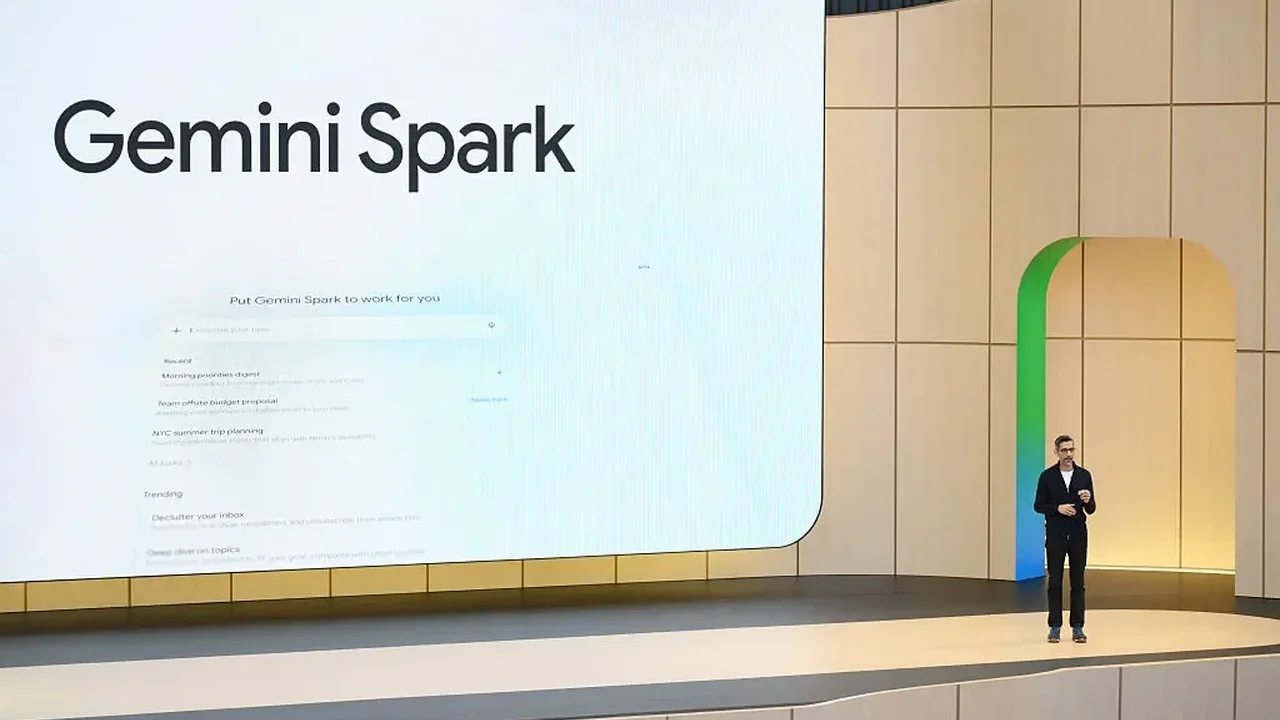
Google's latest Gemini Live update highlights a familiar tension in AI: the technology is becoming more capable, but the user experience is still fragmented. The company says people should not have to guess whether a task belongs in Spark, Daily Brief, or a quick search. Yet Gemini's many branded modes can make the app feel more complicated than it needs to be.
Inside the Gemini app, users move between chat, Spark, and Daily Brief, each presented as a separate feature with its own identity. That approach may help organize the product internally, but from a consumer perspective it can blur the main value of the assistant: simple, seamless help.
Daily Brief is designed to deliver proactive, personalized updates using Google services such as Gmail and Calendar. The idea is ambitious, but its usefulness depends on context. If an assistant cannot clearly separate what is important from what is merely repetitive, the experience can feel less intelligent and more intrusive.
Spark shows the opposite side of the equation. As an AI agent that can act on behalf of the user, it appears practical and powerful. Still, giving it a distinct brand may be unnecessary when most people simply want one interface that understands the request and chooses the right action behind the scenes.
This is not only a Gemini issue. Across the AI industry, many products expose their internal modes directly to users, asking them to learn different labels for what are essentially interaction styles. That can make advanced tools feel less natural than they should.
By contrast, simpler approaches may prove more effective. Apple's strategy with Siri and system apps, along with text-first AI assistants, suggests that users often prefer familiar interfaces that quietly become smarter over time. In that model, the technology adapts to people instead of making people adapt to the technology.
The next phase of AI may belong to products that hide complexity, reduce friction, and make intelligent assistance feel effortless in everyday life.