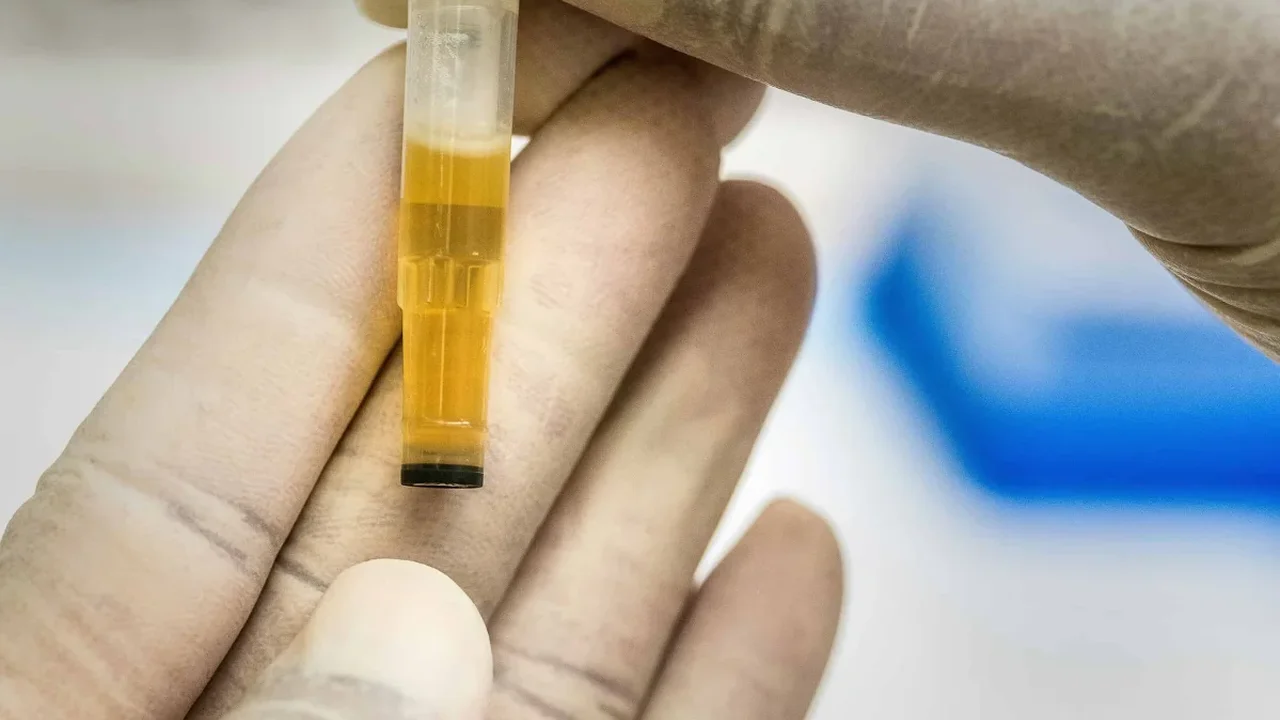
Psilocybin is being studied as a possible treatment for depression and other mental health conditions. But promising findings need to be repeatable. A collaboration involving researchers at Stanford University, UC Berkeley and UC San Francisco tested reported effects of the psychedelic compound in mice across five independent laboratories.
Each lab administered the same dose--2 milligrams per kilogram of body weight--and assessed the animals' behaviour. Some immediate effects appeared consistently: treated mice showed more anxiety-like behaviour in open enclosures and temporarily froze less when exposed to cues associated with an unpleasant experience.
Longer-term effects were less consistent
When the researchers looked for lasting changes, the results did not hold up reliably across labs. At 24 hours, the mice showed no consistent reduction in anxiety-like behaviour. Common tests of antidepressant-like effects also produced no reproducible results, including in experiments involving the stress hormone corticosterone. The team likewise found no consistent improvement in longer-term fear extinction.
Across nearly 100 behavioural experiments, researchers recorded six isolated statistically significant findings that other labs did not reproduce. Such results can occur by chance when many tests are conducted, underscoring why single positive experiments should be interpreted cautiously.
The findings, published in Nature Neuroscience, do not establish whether psilocybin can help people. The study tested mouse behaviours, which are limited models of complex human experiences, and its results do not negate clinical research involving people who received psilocybin alongside psychological support.
The researchers say coordinated studies can help clarify which effects are robust and reduce the influence of publication bias, where positive findings are more likely to appear in the scientific record than results showing no effect. More reproducible evidence may help guide future research into how psilocybin works and where it could have a role in mental health care.
Stronger replication across labs could help shape a more reliable, evidence-led path for evaluating emerging treatments.