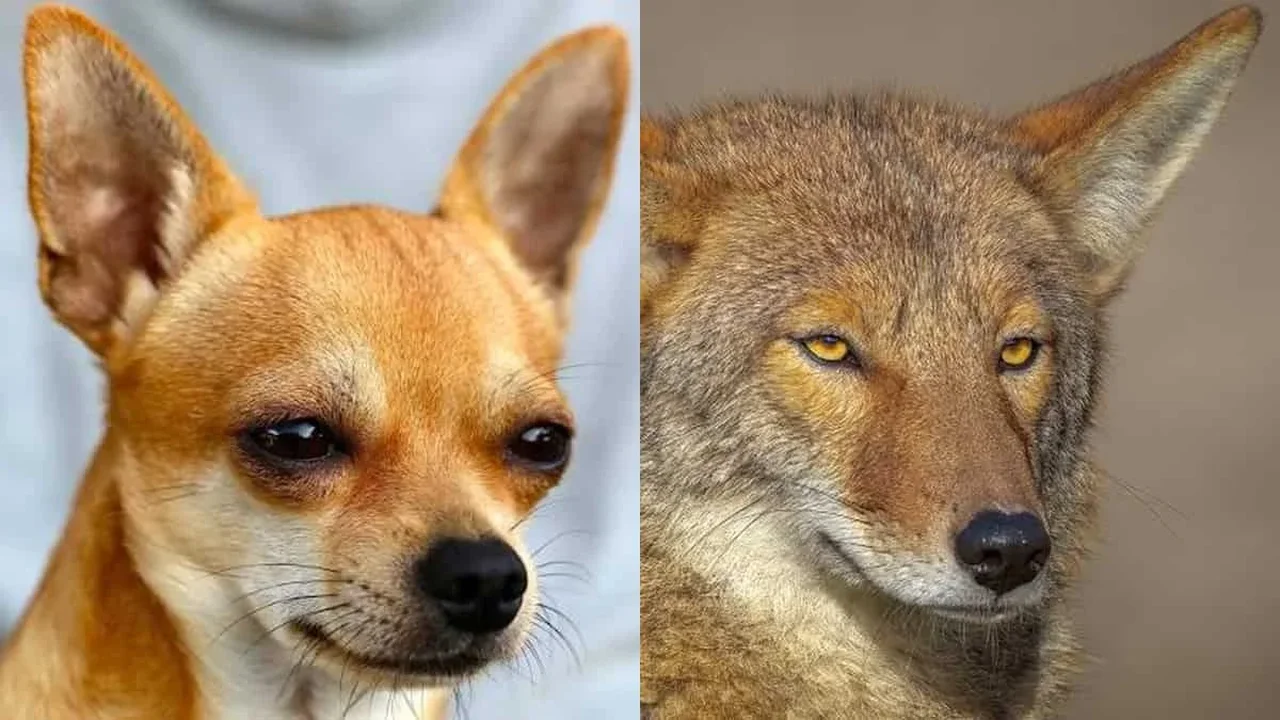
A new genetic analysis has found small stretches of coyote-related DNA in a Chihuahua, hinting at encounters between domestic dogs and wild canids in the Americas generations ago.
Researchers led by Helgi Hilmarsson at Stanford University used Gnomix, a machine-learning tool for identifying the ancestry of specific DNA segments. After training it on 191 canid genomes, the team analyzed 531 additional dog genomes and detected the coyote-related fragments in a Chihuahua.
Clues preserved in tiny DNA fragments
The fragments are much smaller than those typically associated with a recent dog-coyote cross. Their size suggests the genetic mixing happened many generations in the past, though the researchers could not determine when--or whether it occurred naturally or through human intervention.
The findings also speak to the broader history of dogs in the Americas. Indigenous communities kept dogs long before European colonization, and some ancestral dogs may have interbred with coyotes. The Chihuahua's DNA may preserve a trace of that history.
The team also used the method to examine a Mexican hairless dog, identifying Arctic dog-related ancestry in one individual. Such genetic traces can help researchers investigate how dog populations moved and mixed over time.
Published in Nature Communications, the research demonstrates how machine learning can help detect ancestry hidden in short, reshuffled stretches of DNA. As these tools improve, they may reveal more of the intertwined history of humans, domestic animals, and wild species.