A homeowner's shift to a self-managed solar and battery system highlights how residential energy projects are becoming more accessible for people willing to plan carefully, learn the basics and combine DIY work with professional support.
A battery-first solar approach
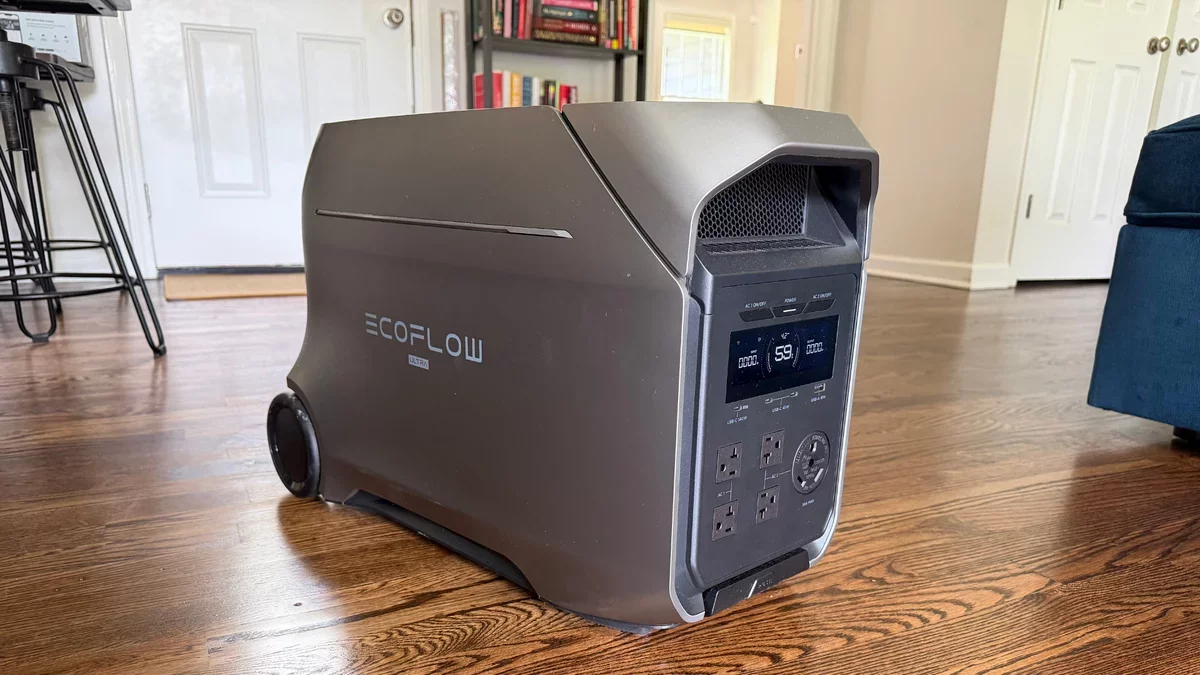
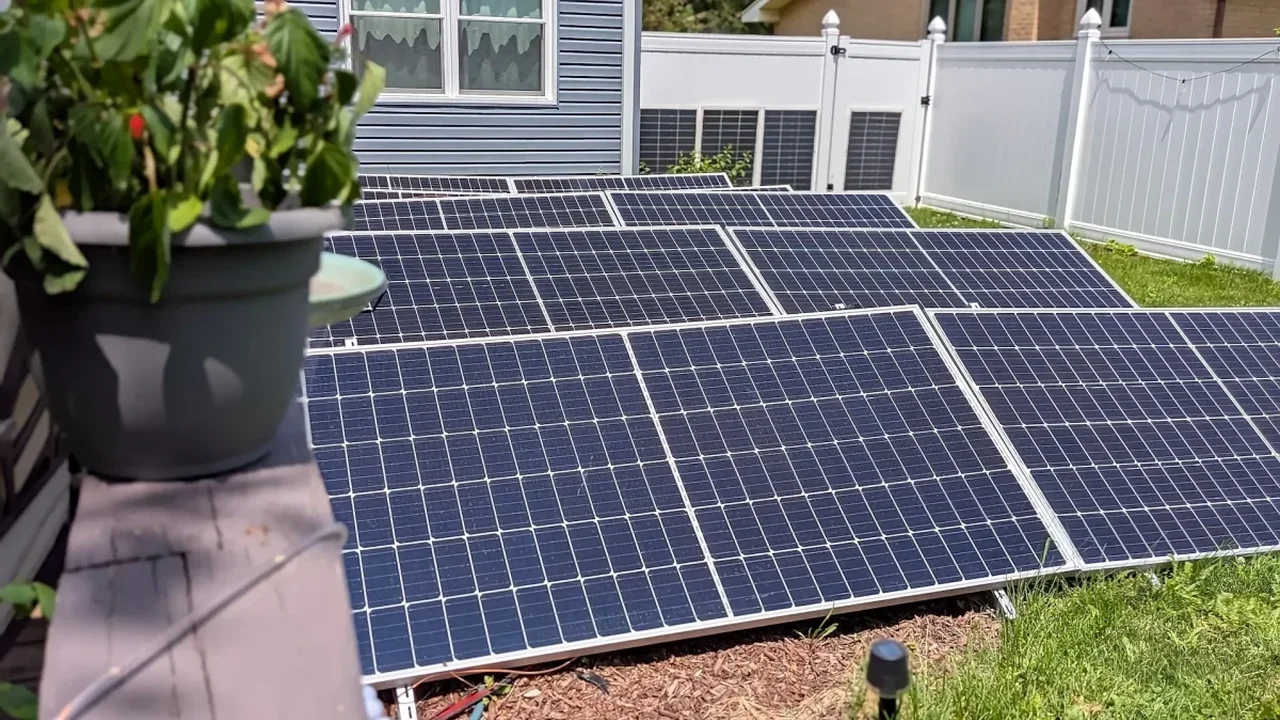
Rather than relying entirely on a conventional grid-tied setup, the project was designed around storing daytime solar production for use in the evening and overnight. The system combines an EcoFlow Delta Pro Ultra battery platform, a smart electrical panel and nine 390W solar modules, creating a flexible home energy setup with roughly 3.5kW of panel capacity.
The battery and inverter package represented the largest share of the investment, while the solar array was assembled from individually sourced panels. This approach gave the homeowner greater control over equipment choices, installation timing and future expansion.
Designing for efficiency and safety
Solar panels produce direct current, while homes use alternating current. The inverter acts as the system's central converter, directing electricity either to household circuits or battery storage. In this case, the integrated hybrid inverter supports both high- and low-voltage solar inputs.
Careful voltage planning was essential. Seven panels were connected in series for the high-voltage input, while two panels served the low-voltage side. This configuration was selected to remain within the equipment's operating limits, including periods of colder weather when panel voltage can rise.
The array was installed at ground level as an initial proof of concept. Ground mounting can offer a practical starting point for homeowners who want to test production, placement and daily energy patterns before considering more permanent roof installations.
Where professional expertise matters
While panel placement, racking and low-voltage planning may suit experienced DIY enthusiasts, connection to a home's main electrical system requires specialist knowledge. A licensed electrician installed the Smart Home Panel 2, transferring selected household circuits to the battery-backed system.
This division of responsibilities offers an effective model: hands-on involvement where appropriate, with qualified professionals handling high-voltage connections, permits and final electrical integration.
Measurable household impact
During summer, the home uses around 20 to 22kWh daily, while the solar system generates approximately 15 to 17kWh. Daytime production powers active household demand and replenishes batteries, which later support evening and overnight consumption.
The setup also provides seamless backup capability for selected circuits, helping the household maintain essential electricity use when grid service is interrupted. A smaller battery unit independently supports a separate living space, illustrating how modular systems can grow with changing needs.
As battery storage, smart panels and modular solar equipment continue to evolve, more households may gain practical pathways toward energy resilience, lower consumption and more intelligent control of everyday power use.