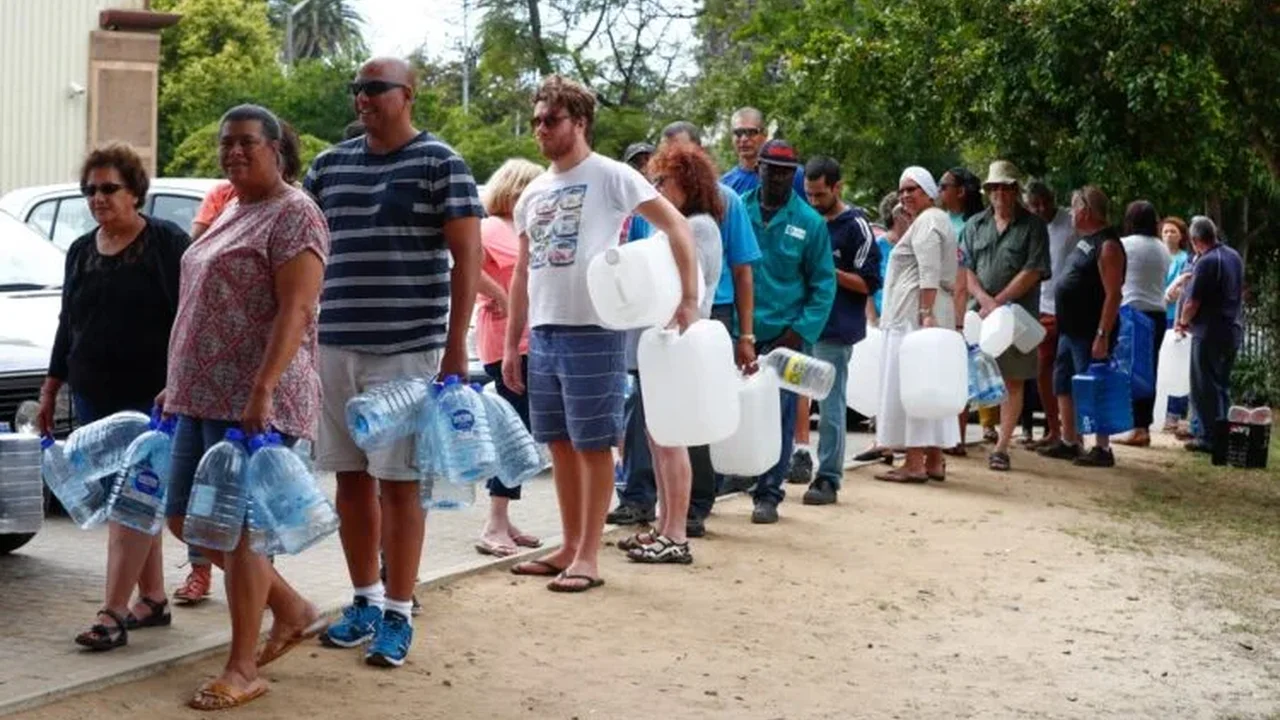
Cape Town's response to its 2018 "Day Zero" water challenge has become a reference point for cities rethinking how they manage one of their most essential resources. Following several years of severe drought, reservoir levels approached critical thresholds and the city introduced ambitious conservation measures.
"Day Zero" described the point at which dam storage would fall below 13.5%, requiring municipal taps to be switched off and residents to collect limited daily water allocations. Through collective action, water consumption across Cape Town fell by more than half, while seasonal rainfall helped restore reservoir levels.
A new approach to urban water
The experience encouraged a broader shift from relying mainly on surface dams toward building a more diverse and adaptable water system. Conservation campaigns, rainwater collection, greywater reuse and tighter demand management showed how household choices can support city-scale resilience.
Experts at the University of Cape Town have highlighted that the period accelerated new thinking around water literacy, infrastructure and public participation. The key lesson was that technical upgrades work best when communities understand their own connection to water systems.
Cape Town has since advanced its New Water Programme, designed to strengthen supply through carefully treated wastewater, groundwater and desalination options. The programme includes advanced purification methods such as ozonation, activated carbon filtration, ultrafiltration and oxidation processes, with the aim of meeting rigorous drinking-water standards.
Water as part of a connected future
Researchers are also exploring managed aquifer recharge, a strategy that stores stormwater and treated water underground for future use. By using aquifers as natural reserves, cities can reduce pressure on dams and create more flexibility during dry periods.
Water scientist Anthony Turton, professor emeritus at the University of the Free State, has argued that water planning should connect infrastructure, energy systems, economic activity and public awareness. His work has helped expand the global conversation on preparing for uncommon but high-impact climate events.
Cape Town's experience shows that water resilience can grow from a combination of science, innovation and everyday conservation. As cities invest in circular water systems and smarter infrastructure, this model could help shape a future where urban growth and resource stewardship advance together.