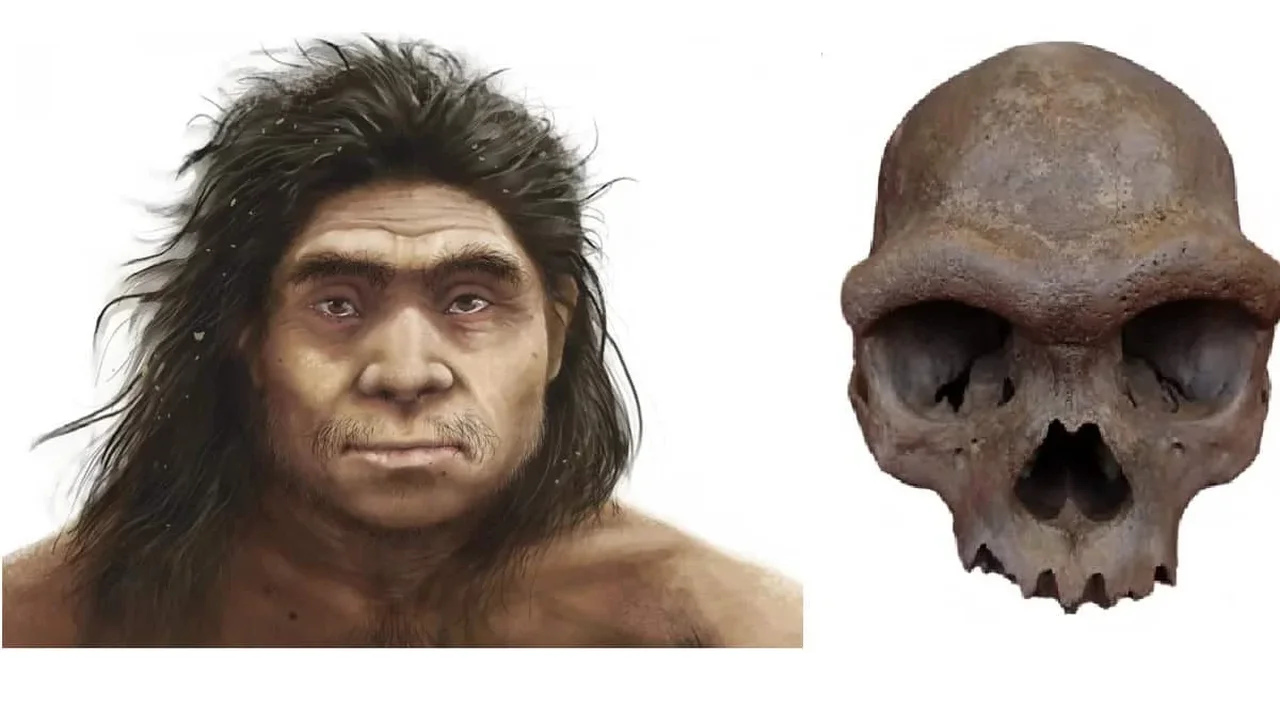
New research is reshaping the picture of the Denisovans, an extinct human lineage first identified through DNA from a finger bone in Siberia. Two leg bones recovered from the Penghu Channel, west of Taiwan, now suggest that at least some Denisovans were exceptionally large-bodied for their era.
Because the fossils did not preserve usable ancient DNA, the team relied on ancient proteins to identify them. The analysis, led by Yousuke Kaifu and Chun-Hsiang Chang, matched the bones to Denisovan-specific protein patterns and linked them to previously known Denisovan remains.
What the bones reveal
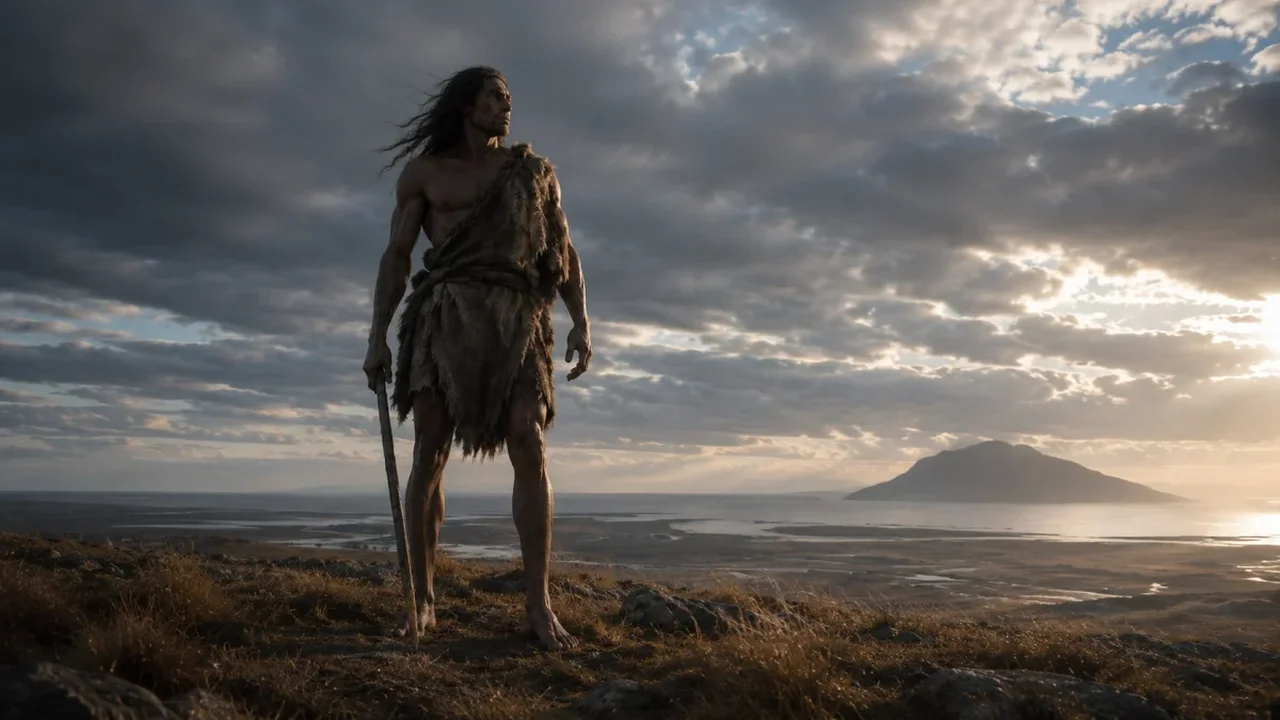
The specimens, known as Penghu 2 and Penghu 3, are about 45,000 years old. One is a partial femur and the other a partial tibia. Based on digital reconstruction, the researchers estimate that one individual may have stood around 176 to 179 centimeters tall and weighed about 82.5 kilograms. The other may have reached roughly 181 to 189.5 centimeters and weighed about 90.8 kilograms.
That places them among the largest known archaic humans. For comparison, the estimates exceed those of many other Ice Age hominins, including some Homo erectus fossils from northern China. The study also notes that the larger tibia shows signs of a healed injury, offering a rare glimpse into the life history of the individual.
A broader view of Denisovan life
The fossils were found in a submerged landscape that was once connected to mainland Asia during periods of lower sea level. Their location adds to growing evidence that Denisovans were spread across a wide geographic range, from Siberia to the Tibetan Plateau and now subtropical East Asia.
Researchers say the bones may reflect a regional population adapted to a terrestrial, protein-rich lifestyle. They also point to the possibility that Denisovans were not a single uniform group, but a set of related populations with different traits across Asia.
Beyond size, the bones show a mix of archaic and more modern-looking features, including a strong femoral ridge that may relate to mobility or shared ancestry with early modern humans. As more fossils are identified through protein science, the Denisovan story is moving from genetic mystery toward a fuller human portrait. In the future, such discoveries could transform how we understand Ice Age adaptation and human diversity.