For years, Denisovans were known largely through fragments and traces of their DNA. New analysis of proteins preserved in ancient Chinese fossils is helping researchers identify more members of this human lineage--and better understand their appearance.
A research team studied two fossils from Xujiayao in northern China, part of a collection excavated between 1976 and 1979. The remains date to roughly 199,000-138,000 years ago. Although DNA had not survived, researchers recovered 18 ancient proteins. Both fossils carried a distinctive collagen variant previously found in confirmed Denisovan remains, and analysis of their protein sequences also connected them to Denisovans.
Distinctive features and a broader family tree
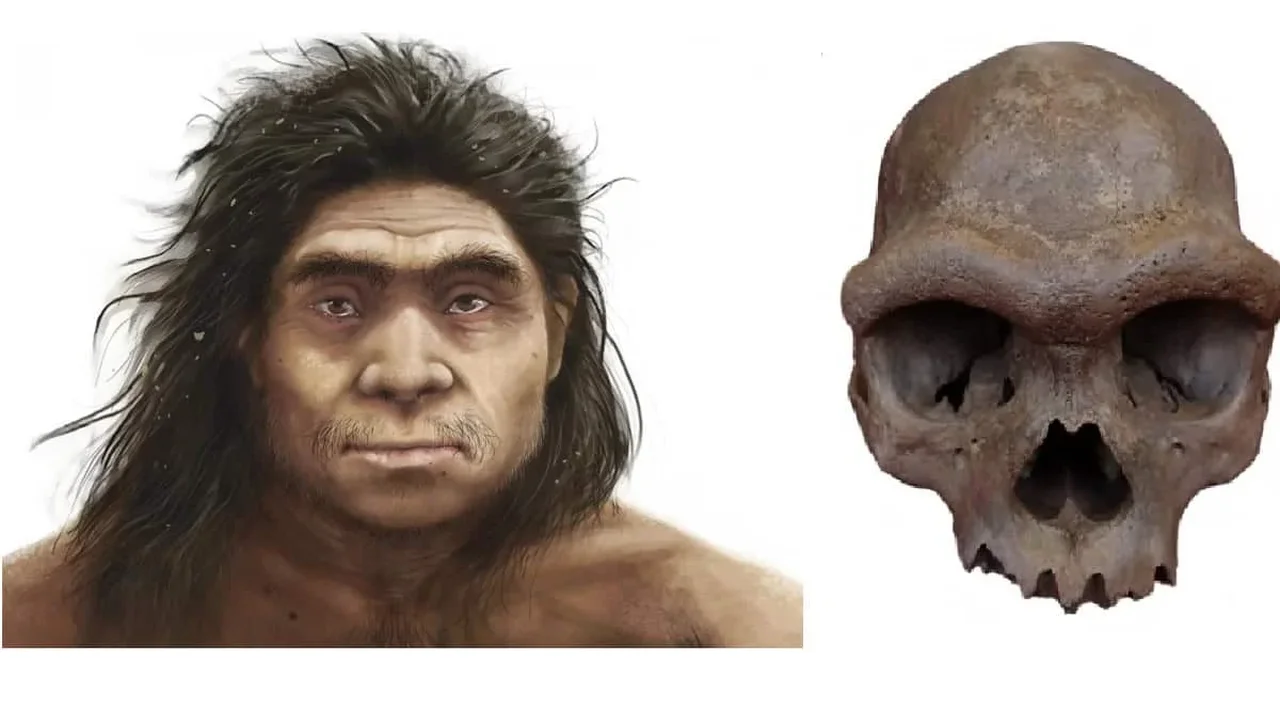
Considered alongside the Harbin skull, identified as Denisovan in 2025, the Xujiayao fossils point to a possible set of traits: long, low skulls, prominent brow ridges, sloping foreheads and broad, relatively flat faces. The remains also show differences from Neanderthals, alongside features that recall other ancient human groups.
The findings may help explain why some fossils from China have been classified under different proposed species names. The researchers suggest that at least some of these remains could represent variation within a widespread Denisovan lineage. That interpretation remains open to debate, especially for fossils identified by resemblance rather than proteins or DNA.
Evidence places Denisovans across parts of Asia, from Siberia and the Tibetan Plateau to northeastern China and the Taiwan Strait. Their genetic legacy also persists in some people today, reflecting ancient interbreeding with modern humans.
Published in Nature, the study adds molecular evidence to the effort to reconstruct Denisovan history. As more fossils are analyzed, researchers may build a clearer picture of how diverse ancient human populations lived and connected across Asia.
Combining protein analysis with fossil evidence could reshape how scientists map human ancestry and identify previously unrecognized branches of our shared past.