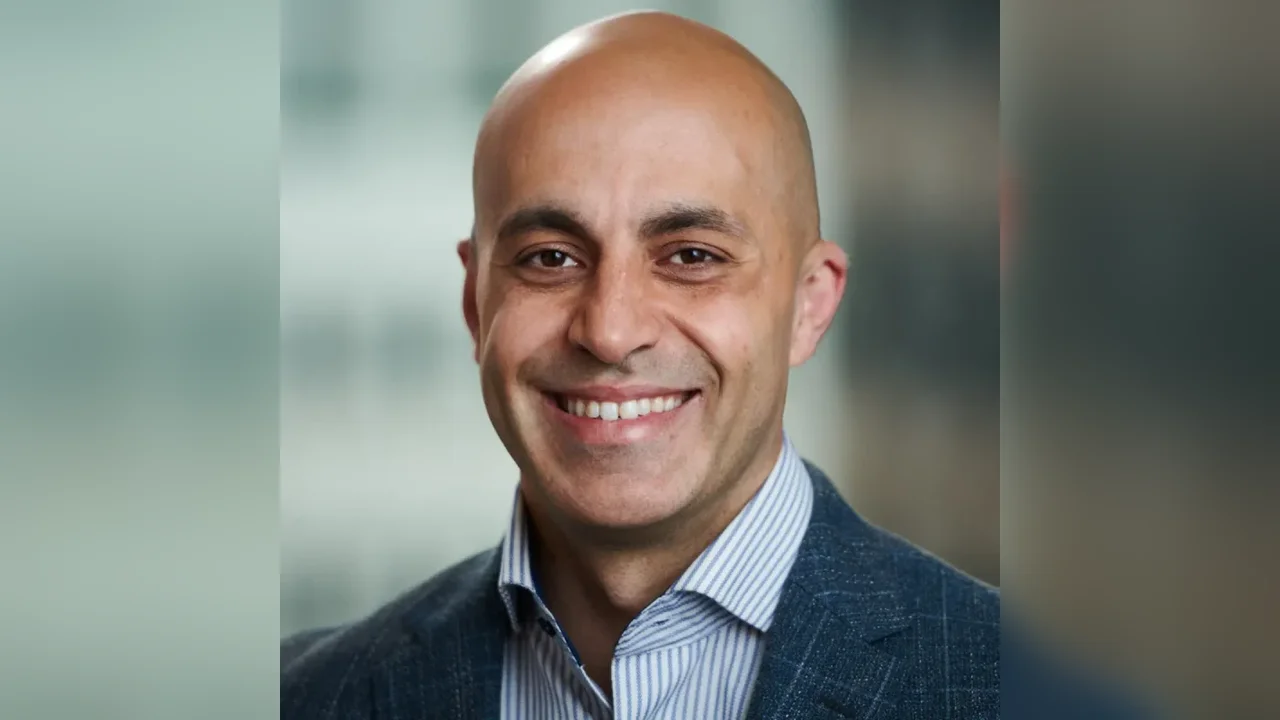
Matei Zaharia, co-founder and CTO of Databricks, recently received the prestigious ACM Prize in Computing for his significant contributions to the tech field. The announcement took him by surprise, as he nearly overlooked the notification about being the 2026 award recipient.
Zaharia's journey began in 2009 during his PhD at UC Berkeley, where he developed groundbreaking technology under the guidance of renowned professor Ion Stoica. This innovation, known as Spark, revolutionized the handling of big data, akin to the current impact of artificial intelligence.
Since founding Databricks, Zaharia has played a pivotal role in transforming it into a cloud storage leader and a foundational platform for AI applications. The company has successfully raised over $20 billion, achieving a valuation of $134 billion and generating $5.4 billion in revenue, embodying the Silicon Valley dream.
The ACM Prize, which includes a $250,000 cash award that Zaharia plans to donate to an unspecified charity, recognizes his collective achievements in the tech industry. In addition to his role at Databricks, he serves as an associate professor at UC Berkeley, where he continues to inspire the next generation of innovators.
Looking forward, Zaharia is enthusiastic about the future of AI. He asserts, "AGI is here already. It's just not in a form that we appreciate." He emphasizes the importance of understanding AI models outside of human standards, warning against the risks of anthropomorphizing these technologies.
He highlights the potential dangers of AI systems designed to mimic human behavior, citing the popular AI agent OpenClaw as an example. While it offers remarkable capabilities, its design can lead to security vulnerabilities, such as unauthorized access to personal information.
Zaharia's vision extends to how AI can streamline research processes across various fields, from biology to data analysis. He believes that just as vibe coding democratized programming, AI-driven research will become universally accessible, enabling individuals to better comprehend complex information.
"Not everyone needs to develop applications, but many require assistance in understanding data," he explains. He envisions a future where AI leverages its strengths to provide insights, whether diagnosing car issues or simulating molecular changes in scientific research.
Ultimately, Zaharia is particularly excited about the potential of AI to enhance research and engineering, a perspective that could reshape how we approach knowledge acquisition and problem-solving in the years to come.