Enterprise organizations are not shunning AI; rather, they are seeking stability in operations. This critical distinction is often overlooked by many founders, yet it is becoming a pivotal factor that differentiates successful enterprise AI companies from those that falter after initial success.
In recent years, AI startups thrived in a climate of experimentation. A compelling demonstration, a robust model, and a visionary approach were frequently sufficient to attract enterprise interest and investor backing. However, the landscape of enterprise AI is evolving. Companies are no longer merely assessing the excitement surrounding AI; they are rigorously evaluating its safety for widespread implementation.
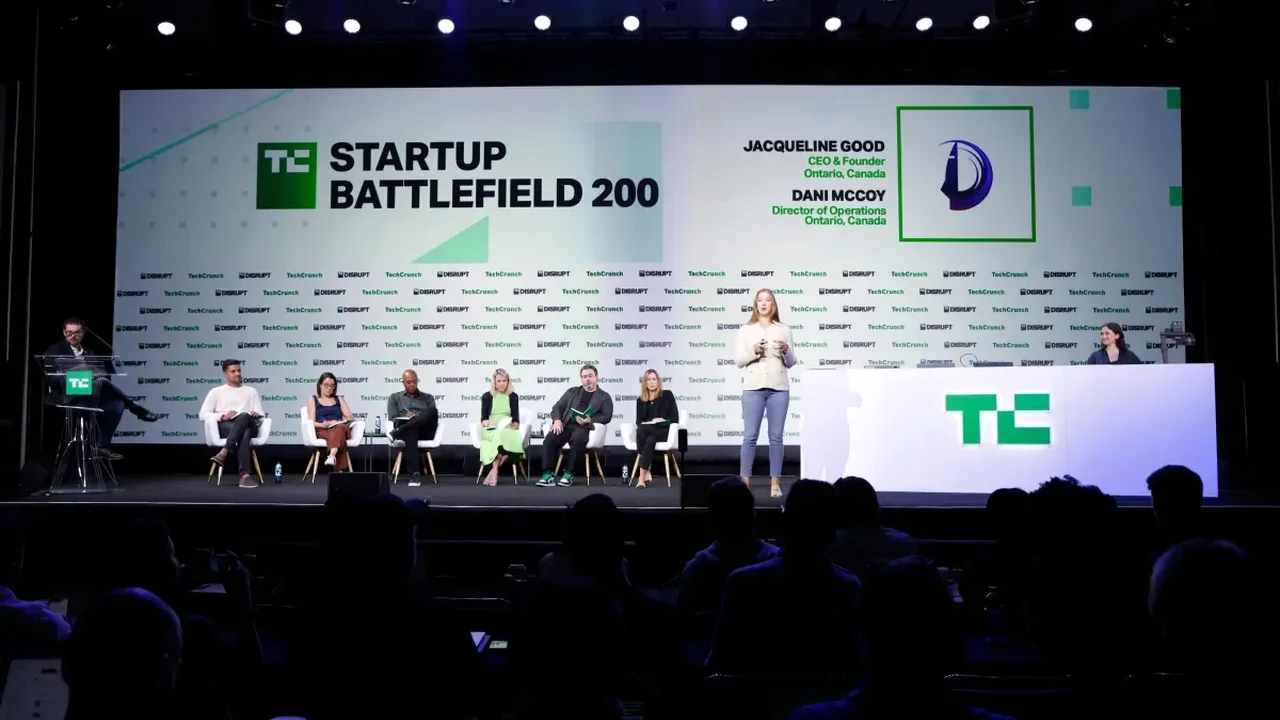
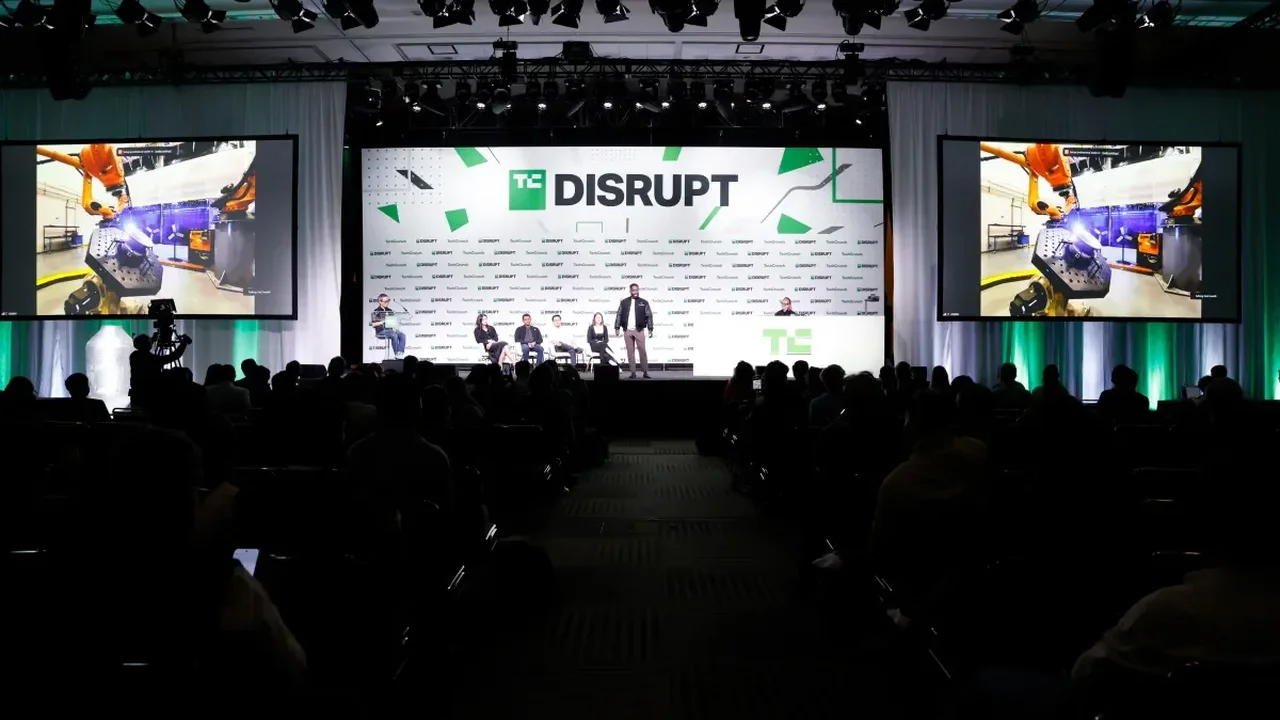
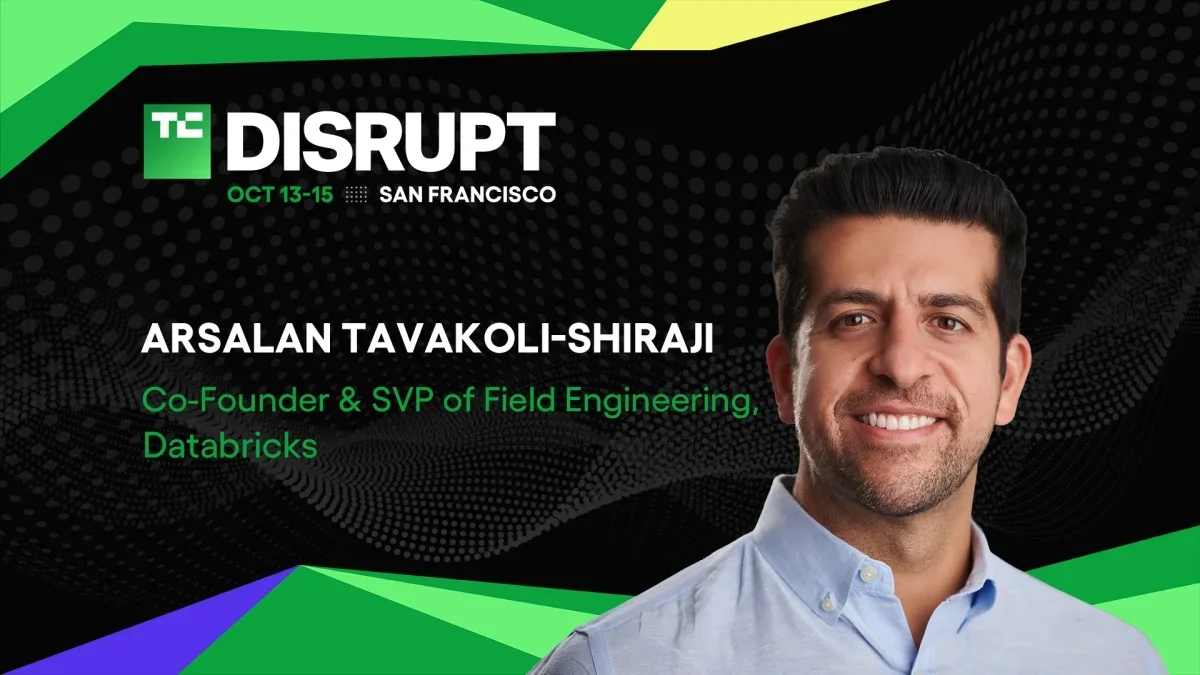
At the upcoming TechCrunch Disrupt 2026, scheduled for October 13-15 at Moscone West in San Francisco, Arsalan Tavakoli-Shiraji, co-founder and SVP of field engineering at Databricks, will delve into this transformative shift during his session titled "The Enterprise Isn't Broken. Your Assumptions About It Are."
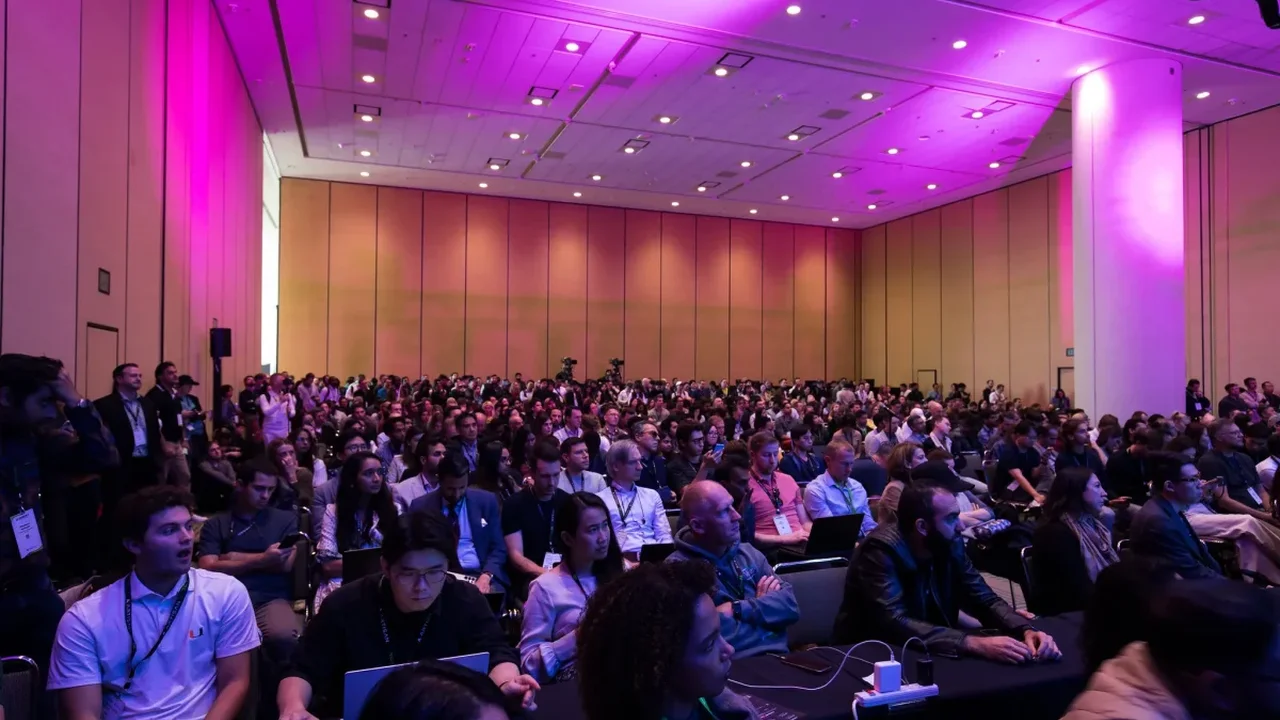
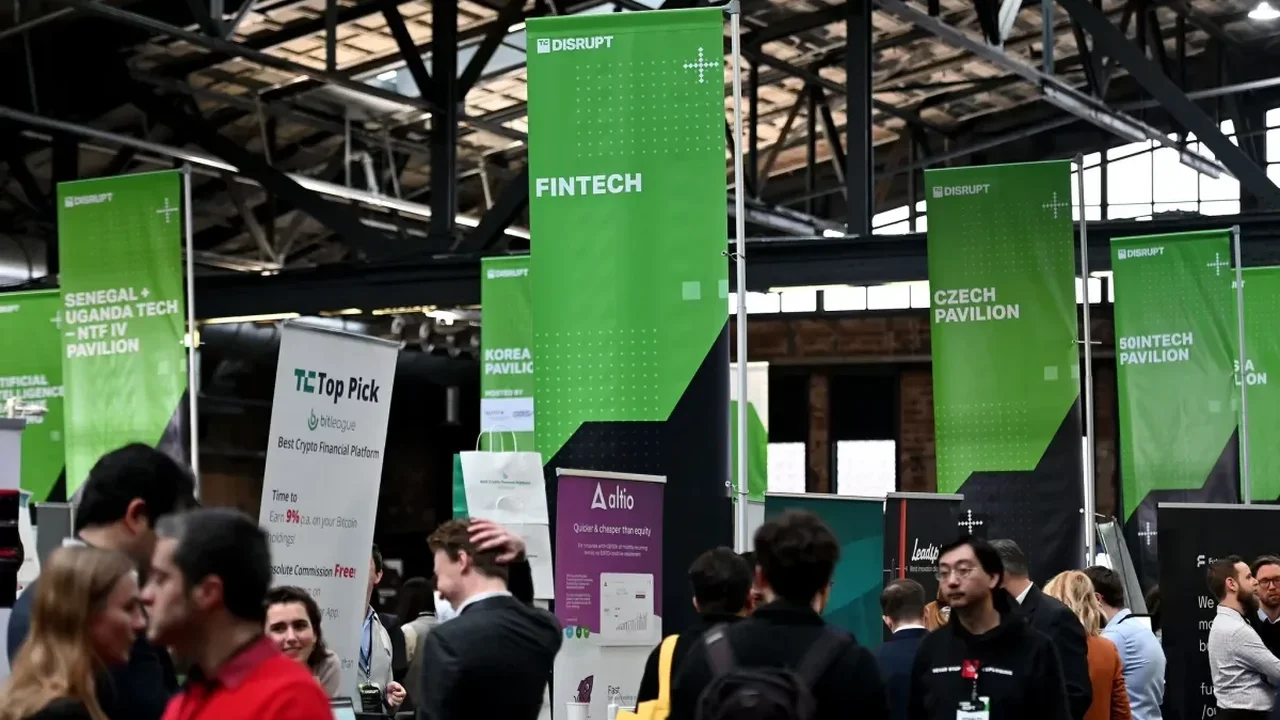
This event aims to gather over 10,000 founders, investors, and industry operators to discuss the technological and operational challenges reshaping business models. With more than 250 sessions across six stages, the conference will feature insights from leading tech figures steering the industry.
A significant challenge in the enterprise AI sector lies in the fact that many successful pilot projects fail to transition into full-scale deployments--not due to technological shortcomings, but because organizations struggle to manage the operational implications of these technologies. Founders must recognize that AI initiatives often falter not because of model performance, but due to a lack of confidence in the deployment process.
Tavakoli-Shiraji's session will explore these crucial gaps. Enterprises are increasingly focused on aspects such as implementation risks, governance complexities, workflow disruptions, infrastructure demands, compliance issues, and trust within the organization. A product may excel in a controlled setting yet fail commercially if its deployment disrupts business stability.
The AI startups that are thriving within large organizations are those that effectively minimize uncertainty. They integrate seamlessly into existing systems, generate less workflow friction, and are easier to govern and comprehend, fostering long-term trust.
As the market matures, enterprise buyers are posing more critical questions about AI solutions, such as their operational impact post-deployment and the scale of change required for adoption. These concerns are now central to the purchasing decision, emphasizing the need for startups to focus on the realities of operational integration rather than just technological novelty.
Tavakoli-Shiraji's dual background in enterprise strategy and technical systems architecture equips him with a unique perspective on the evolving demands within the enterprise AI sector. His insights will be invaluable for founders looking to navigate the complexities of AI deployment and governance.
The shift from novelty to practical application in AI is set to redefine how enterprises adopt and scale these technologies, paving the way for a more stable and efficient future in enterprise AI.