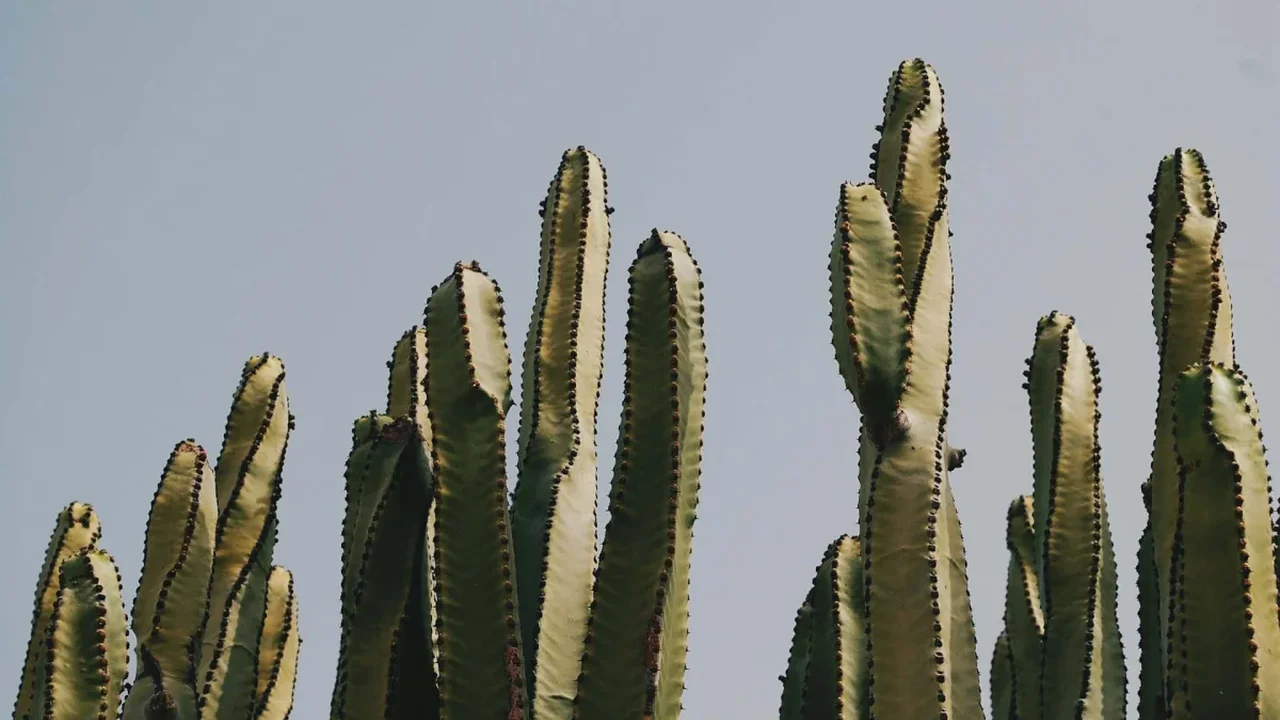
A new study published in Nature suggests that worsening droughts could sharply reduce suitable habitat for cacti this century. More than a quarter of nearly 1,000 species assessed may lose at least 80% of their habitat by 2100.
The research, led by conservation ecologist Michiel Pillet of the University of South Florida, considers both rising temperatures and the dry spells that can accompany them. While cacti are adapted to arid environments, many still depend on seasonal rainfall. Their specialized features help them conserve water, but cannot necessarily compensate for prolonged changes in the conditions they evolved to withstand.
Drought may also affect cacti without killing mature plants outright. Water stress can hinder flowering and reproduction, putting the long-term stability of populations at risk. In the Sonoran Desert, for example, extended dry periods have been linked to less frequent reproduction among saguaros.
The findings could help conservation teams identify species and regions that may need attention. Possible measures include protecting habitats, maintaining cactus populations in botanical gardens and, where conditions allow, reintroducing plants to suitable areas. Some populations may also shift toward places with more favorable climates, though that will depend on whether they can reach and establish in those locations.
By clarifying which species may be most vulnerable, the research can help shape conservation planning and support the future of desert ecosystems.