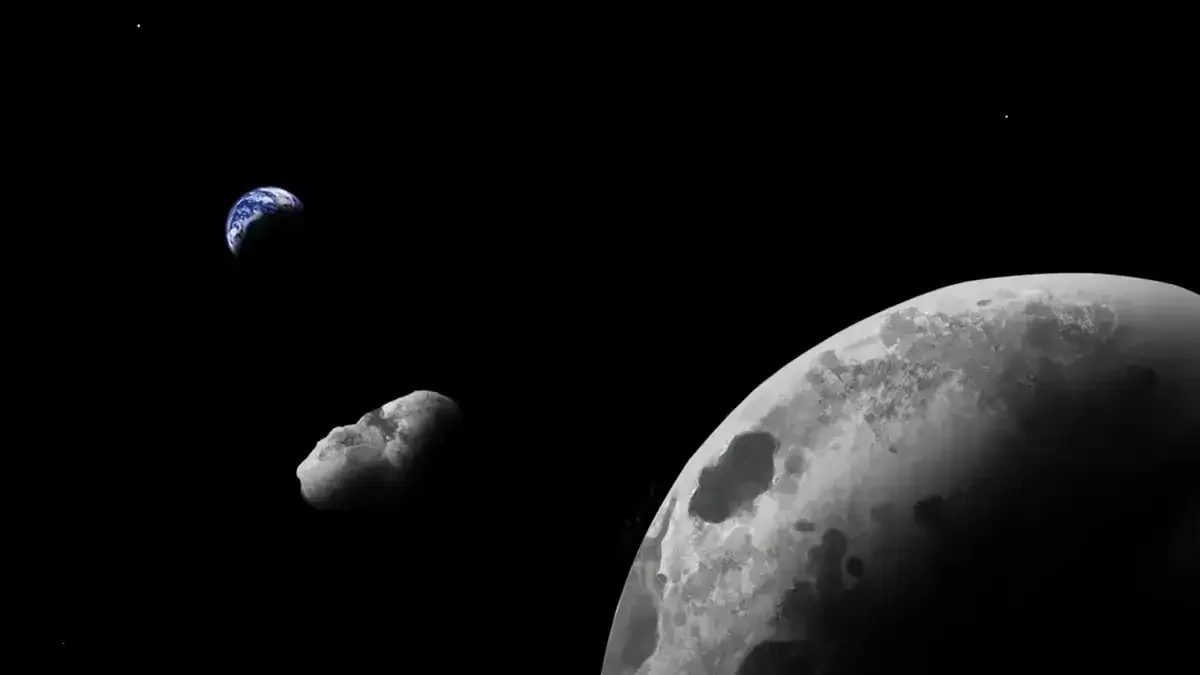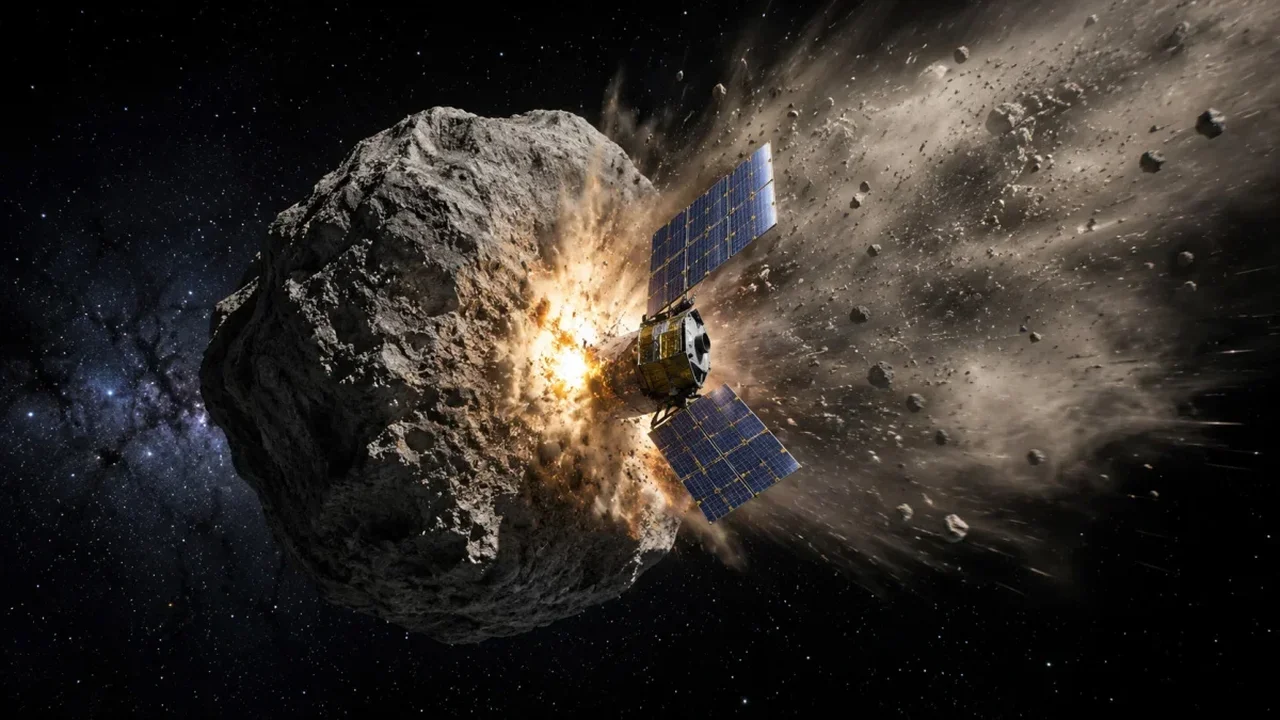
China is preparing a bold planetary defense experiment that could see a spacecraft deliberately collide with a small asteroid at about 20,000 miles per hour. The goal is not destruction, but precision: to measure whether a high-speed impact can shift the asteroid's path.
If carried out successfully before the end of the decade, the mission would make China only the second country to demonstrate controlled asteroid deflection, following the United States. The concept builds on a growing scientific strategy: detect a near-Earth object early, study it closely, strike it, and then verify how its orbit changes.
A proven idea, now evolving
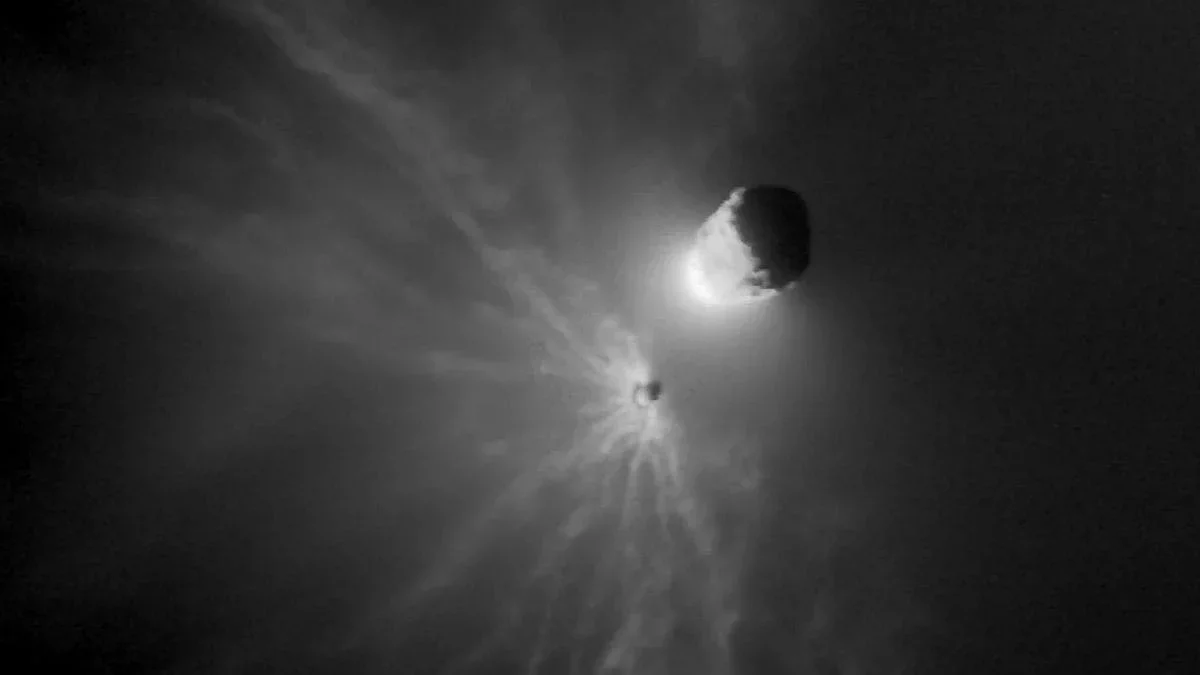
NASA's DART mission showed in 2022 that a spacecraft can alter the motion of a celestial body. When DART hit the moonlet Dimorphos, the impact shortened its orbit around Didymos by 32 minutes. The result was shaped not only by the collision itself, but also by the cloud of debris thrown into space, which helped push the object further off course.
China's proposed test would take a different route by using a faster impact and combining the strike with detailed observation in a single mission. Researchers want to watch the asteroid before impact, track the collision in real time, and then study how its structure and trajectory respond. That would offer a more complete picture of how asteroid deflection works in practice.
Detection is the first defense
The mission is still a proposal, with no final target or launch date announced. Scientists involved in the project are looking toward a possible test during a close asteroid approach in 2029 or 2030, when the object would pass millions of kilometers from Earth.
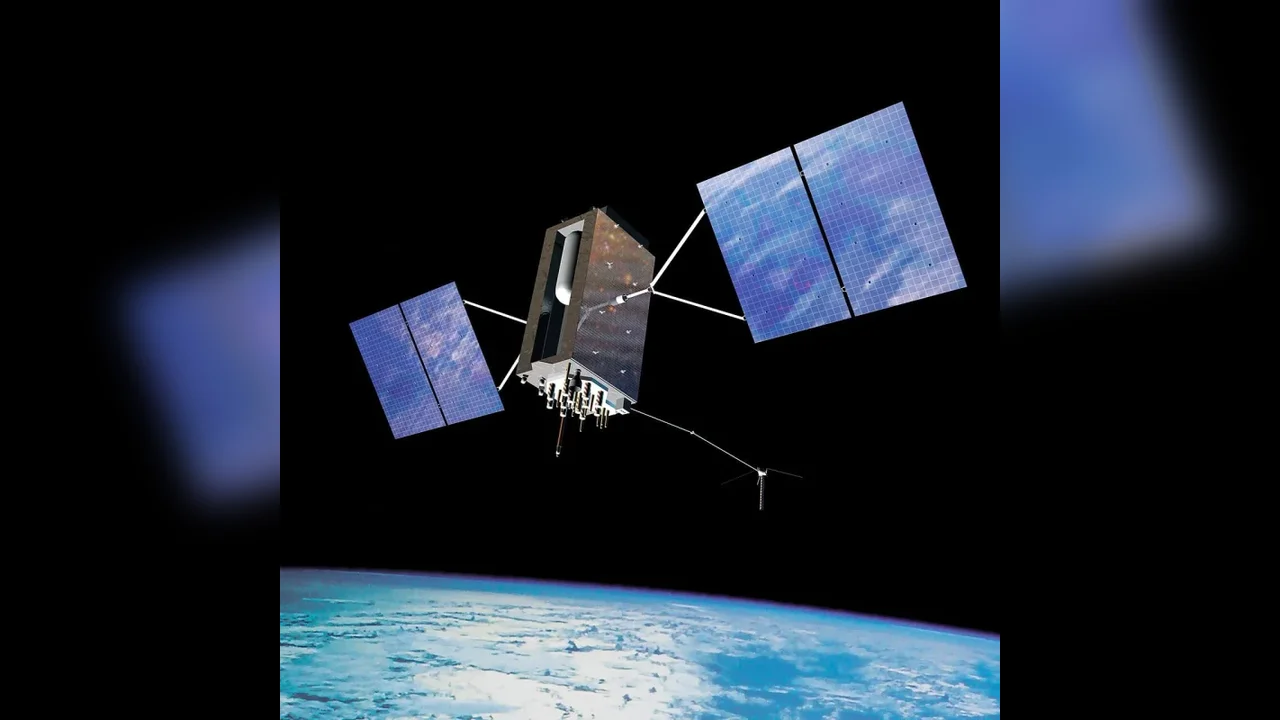
Alongside impact testing, China is also studying a wider asteroid-monitoring network using ground telescopes and spacecraft. The idea is to spot near-Earth objects earlier, calculate their orbits automatically, and improve warning systems. That matters because many smaller asteroids remain undiscovered, especially those approaching from the Sun's direction.
Global planetary defense is also expanding through international cooperation, with observatories and space agencies sharing data to refine asteroid tracking. As more surveys and missions come online, the field is moving from theory toward a coordinated protection system for Earth. The next decade could turn asteroid defense into a practical, shared capability for spacefaring nations.