China's Tianwen-2 mission has delivered the first close-up view of Kamoʻoalewa, a small near-Earth object that moves in step with our planet while orbiting the Sun. The image offers a rare look at one of Earth's most unusual cosmic companions.
A rare target in near-Earth space
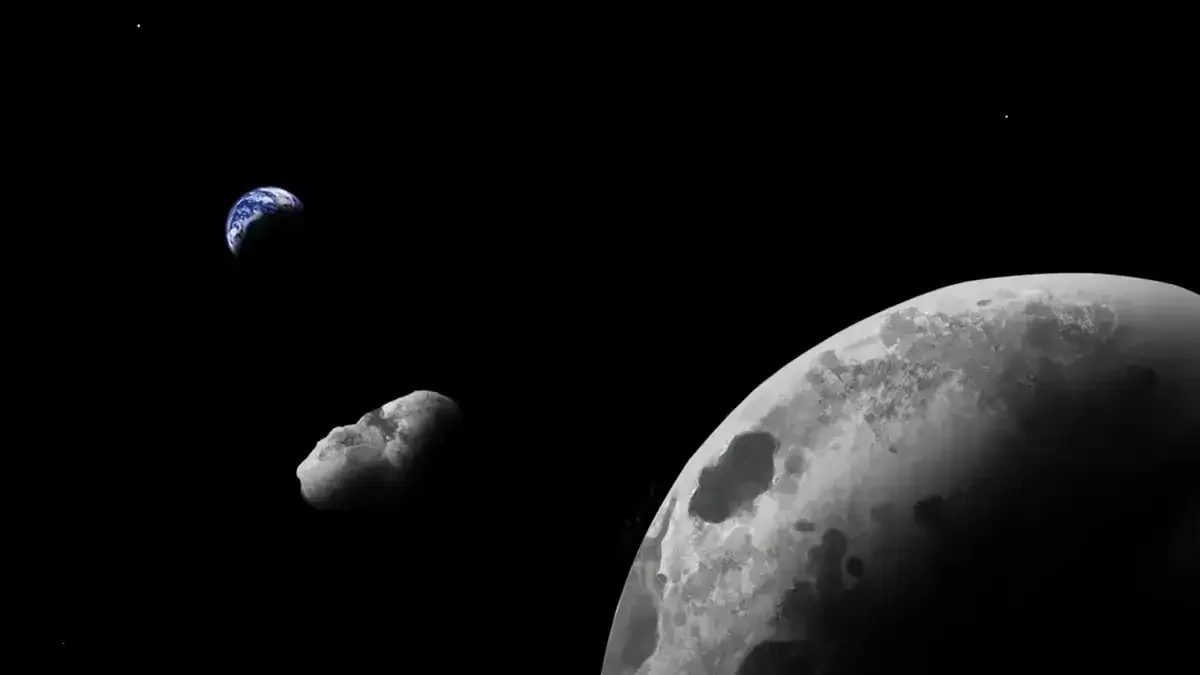
Kamoʻoalewa, also known as asteroid 2016 HO3, belongs to a small group called quasi-satellites. These bodies are not true moons, but their synchronized paths make them appear to stay close to Earth for long periods. That unusual orbit makes the object especially valuable for scientific study and spacecraft operations.
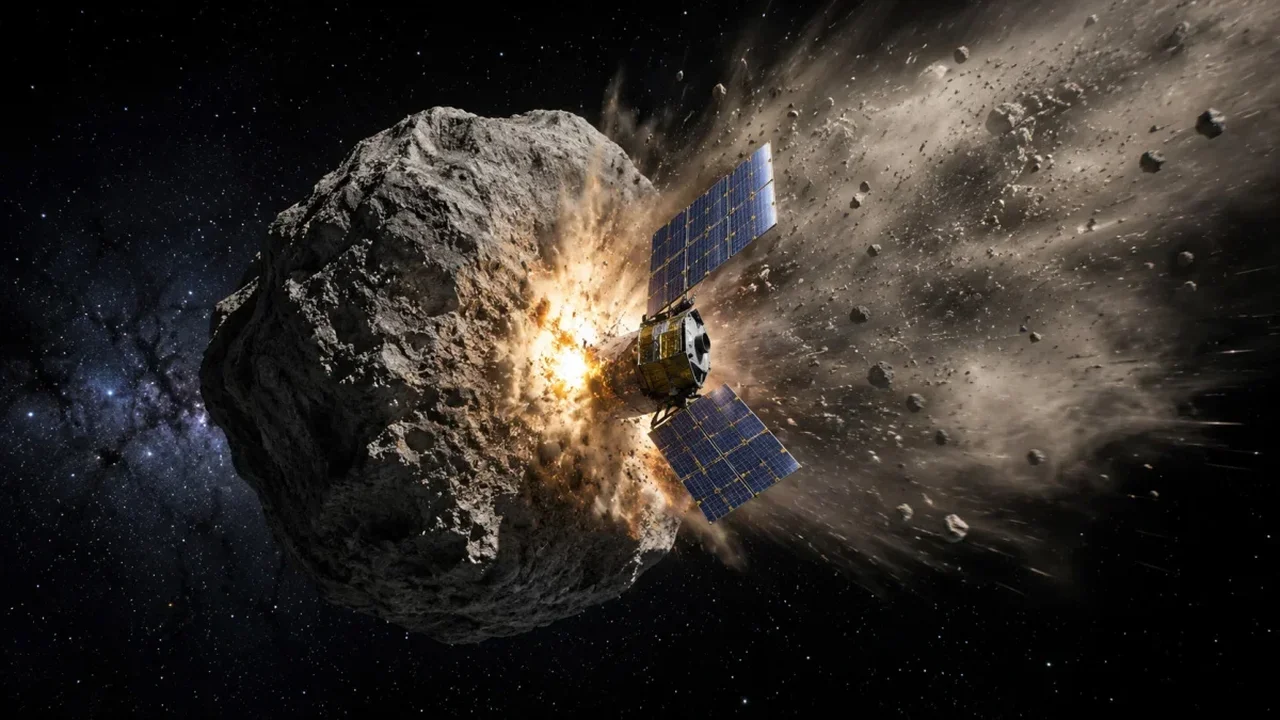
Launched on May 28, 2025, from the Xichang Satellite Launch Center, Tianwen-2 is designed to study the asteroid's shape, composition, and internal structure before attempting to collect samples. The China National Space Administration says the probe captured the latest image from about 20 kilometers away.
Why the mission matters
Scientists are especially interested in whether Kamoʻoalewa could be a fragment of the Moon, possibly ejected by a major impact long ago, or whether it formed elsewhere in the solar system. A sample return could help answer that question and reveal whether the object contains water-bearing minerals or organic material.
The target is extremely small and irregular, with estimates placing its width at just a few dozen meters. That makes sampling technically demanding, but Tianwen-2 carries multiple collection strategies to improve its chances. The mission aims to return up to 100 grams of material to Earth in 2027.
If successful, China would become the third country to bring asteroid samples home, joining a select group of spacefaring nations. After the Earth flyby, the spacecraft is also expected to continue toward 311P/PANSTARRS, extending the mission's scientific reach. In the years ahead, missions like this could reshape how humanity studies small worlds and the early history of the solar system.